The Bird Feeder With a Camera That Puts a Name to Every Visitor
A solar powered feeder that snaps portraits of every bird and tells you who just landed.
It glows from ember to daylight before the alarm, so mornings stop feeling like an ambush.
There is a specific kind of violence to a 6:30 phone alarm in a pitch black room. One second you are unconscious, the next a siren is going off six inches from your face, and your heart is pounding before your feet touch the floor. Doctors call the groggy aftermath sleep inertia. Most of us call it the worst part of the day.
For around $33, there is a gadget built entirely around removing that ambush.
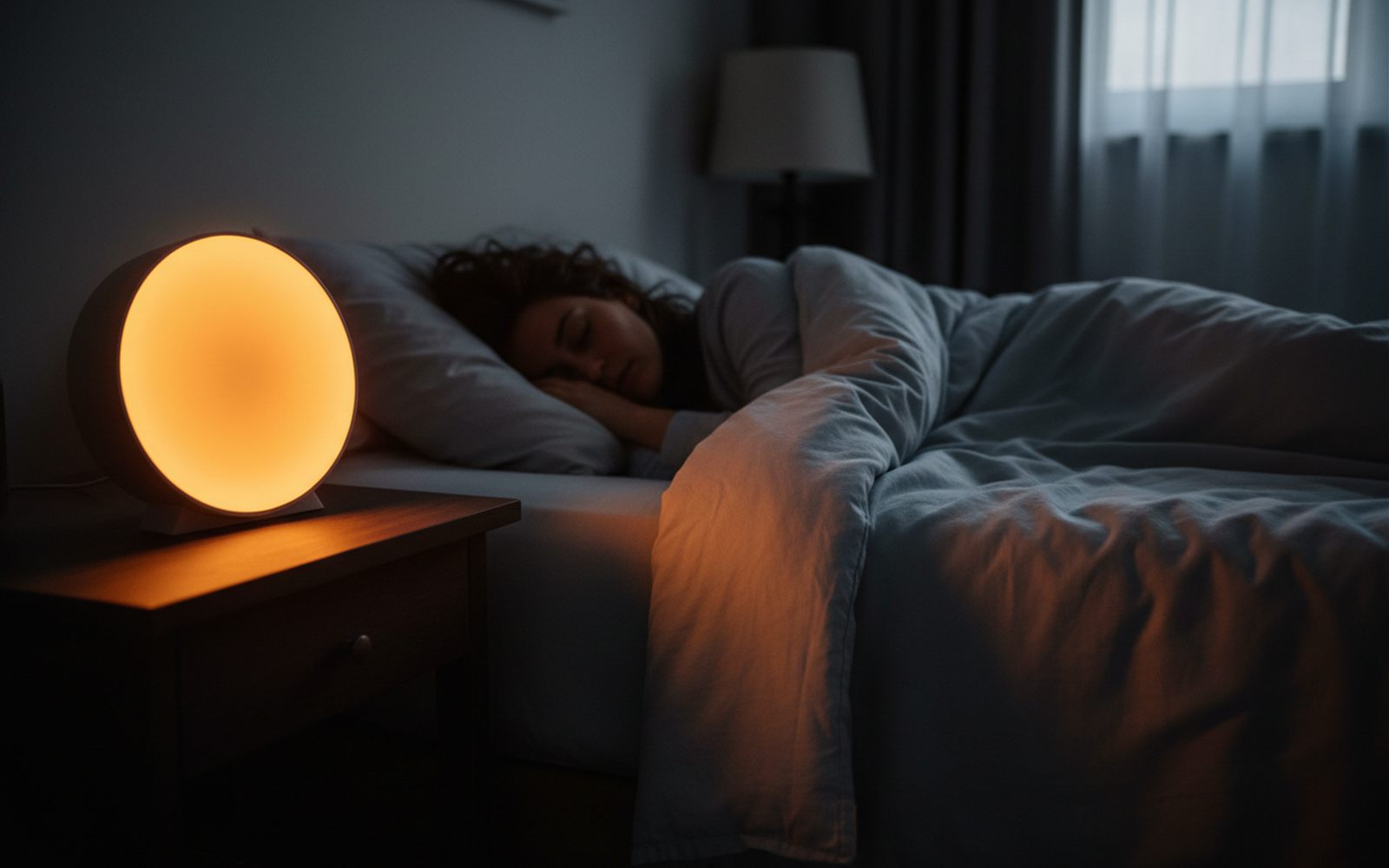
The JALL Wake Up Light is a sunrise alarm clock with a full screen face that works like a tiny, programmable dawn. Set your alarm, and the entire front panel begins to glow 10 to 60 minutes early, starting as a dim ember and brightening steadily to a warm daylight glow before the sound ever starts. It is one of the most popular gadgets in the category, with more than 28,000 Amazon ratings, and it routinely gets named the budget answer to sunrise clocks that cost five times as much.
The mechanism is the part worth retelling: light starts the wake, sound just finishes it. Your body reads a slowly brightening room as morning and begins surfacing on its own, so the chime lands on someone who is already halfway up.
The light does the waking, the sound just confirms it. Because the whole face brightens rather than a small bulb, the glow fills the room the way a window would. Thousands of reviewers describe surfacing gradually somewhere in the fade in and feeling awake, not yanked, by the time the birdsong starts. Heavy sleepers can still stack chimes, radio, or louder tones on top.
One clock runs two schedules. Dual alarms mean 6:30 on weekdays and something civilized on weekends without nightly fiddling, and a custom snooze gives you 5 to 20 minute increments. It even syncs its clock automatically with your phone over Bluetooth, so it never drifts.
It earns its nightstand spot at bedtime too. The JALL clock packs 25 nature and white noise sounds with a sleep timer up to eight hours, 17 light colors for a reading or night light, a Bluetooth speaker for your own audio, and an FM radio. Flip on the blackout mode and the screen goes completely dark for people who cannot sleep near a glowing display.
Set the alarm for 7:00 with a 30 minute sunrise and go to sleep in total darkness. At 6:30 the face wakes as a deep amber you would not notice unless you were already stirring. By 6:45 the room has the soft gray gold of early morning. By 6:59 the panel is at full brightness, and most mornings you are already blinking at the ceiling when the birds start chirping at 7:00 sharp.
Before, waking up meant a siren detonating in the dark and a fumble for the snooze button.
After, it means opening your eyes into a room that already looks like morning, with the alarm reduced to a formality.
This is not just a cozy gimmick. Researchers have been testing dawn simulation since laboratory work in the 1980s, and a 2014 study published in the European Journal of Applied Physiology found that people woken with a gradually brightening light rated themselves significantly more alert after waking than on control mornings. The logic is simple: a sudden siren fires while your body’s wake up chemistry is still asleep, while a slow ramp of light gives it a head start. The JALL is the cheapest mainstream way to run that experiment on yourself, and 28,000 ratings suggest a lot of people liked the results.
Setup is five minutes of button pressing, and the manual is genuinely needed for the first pass. After that, the difference between a decent night light and a changed morning comes down to how you configure it.
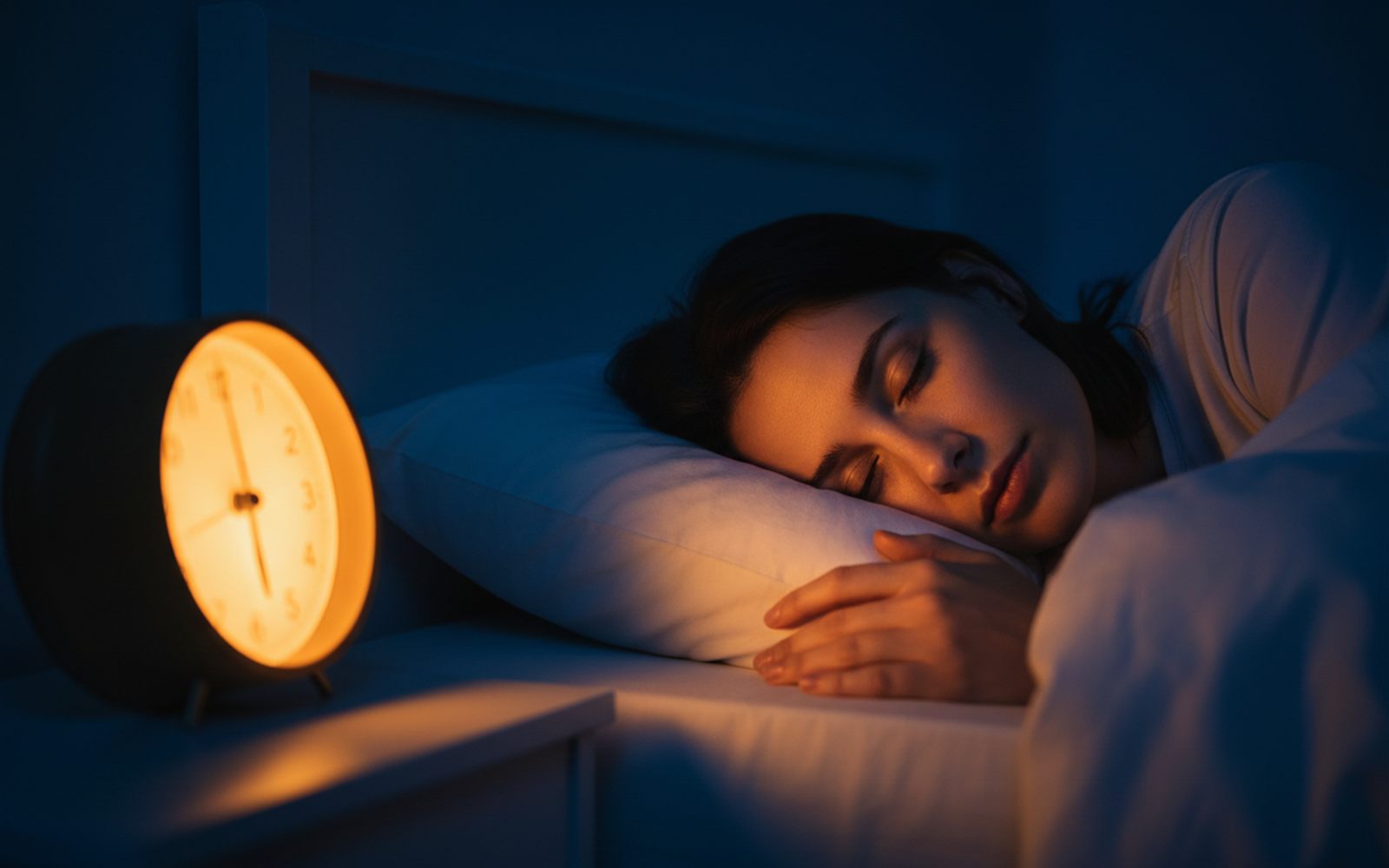
Sunrise clocks now run from $33 to $170, and the honest difference is not the sunrise. It is everything wrapped around it. Current Amazon prices below.
| Product | Around | The difference |
|---|---|---|
| JALL Wake Up Light | $33 | Full screen sunrise, dual alarms, 25 sounds, no app needed |
| Philips SmartSleep HF3520 | $100 | The clinical pedigree pick, colored sunrise, tap to snooze top |
| Hatch Restore 3 | $170 | Designer looks, app routines, 80 plus sounds, optional $4.99 a month membership |
The Hatch Restore 3 is the premium experience: beautiful hardware, a polished app, a library of sleep content, and a membership pitch on top, $4.99 a month or $49.99 a year for the full catalog, though the core clock works without it. The Philips SmartSleep is the legacy medical adjacent option that popularized the category. The JALL’s argument is brutal and simple: the core behavior, light before sound, is identical, and you could buy five of them for one Hatch.
That is the price math in one line: $33 buys the mechanism, $170 buys the mechanism plus an ecosystem. If mornings are the problem you are solving, the mechanism is the part that matters.

Dawn simulation started as a clinical idea, light therapy researchers testing whether artificial dawns could move mood and alertness, and for years the hardware was priced like medical equipment. Philips carried the concept into the mainstream with wake up lights that still sell for $100 to $180 today.
The last several years did to sunrise clocks what happened to every other single trick gadget: the core got cheap. Budget brands like JALL rebuilt the essential feature, a large surface that brightens on a schedule, added the white noise machine people were already buying separately, and set the price at a third of the legacy option. Meanwhile the premium end went the other direction, adding apps, subscriptions, and routines. The middle, oddly, is now the least interesting place to shop.
The clock holds 4.4 stars across more than 28,000 ratings. The themes that repeat are the gentle wake up, the room filling brightness, and the variety of sounds, and buyers consistently call it strong value. Parents mention buying them for kids’ rooms, where the light doubles as a night light and the wake up does not start the day with tears. One reviewer put it simply, calling it “A great way to wake up.”
Three reviews that describe the morning better than we can.
“Such a gentle awakening, the simulated sunrise (I have mine set to hear birds sing) is the best alarm clock I have ever used.”
(verified Amazon review)
“Works great! So much more pleasant than any other alarm clock. I also love that you can set it to dim for 30 minutes before bed and play rain sounds.”
(verified Amazon review)
“This little alarm clock is a gem! I love the soft light and soothing sounds that it allows me to slowly and calmly wake up in the cold, dark Boston…”
(verified Amazon review)
The recurring gripe is the extras. The FM radio is hard to tune, and some owners find the nature sound loops repeat too quickly to enjoy for long stretches. Neither touches the core sunrise feature, which is the reason to buy it, but if you want polished audio and app control, that is what the $170 Hatch tier is selling.
This is for anyone who wakes before the sun does, shift workers, students, kids who fear the dark, and every heavy sleeper whose phone alarm has stopped working on them. Skip it if you want app based routines and premium speakers, or if you sleep in a bright room where a light based alarm loses its advantage.
For everyone else, it is the cheapest way to make 6:30 feel like 8:00. It is around $33 on Amazon right now, and the button above shows today’s exact price.
A solar powered feeder that snaps portraits of every bird and tells you who just landed.
A cordless spinning brush on a long handle strips away soap scum while your knees stay dry.
A wire free probe tells your phone exactly when the chicken is done, no guessing, no cutting it open.