The Bird Feeder With a Camera That Puts a Name to Every Visitor
A solar powered feeder that snaps portraits of every bird and tells you who just landed.
Twenty sounds that never loop build a steady hush that keeps small noises from jolting you awake.
3 am does not knock. A door clicks somewhere, a dog answers it, and now your brain is wide awake reviewing everything you said in yesterday’s meeting. Falling asleep was never your problem. Staying asleep is.
The fix that nearly 69,000 rated buyers landed on costs about $20 and fits in your palm.
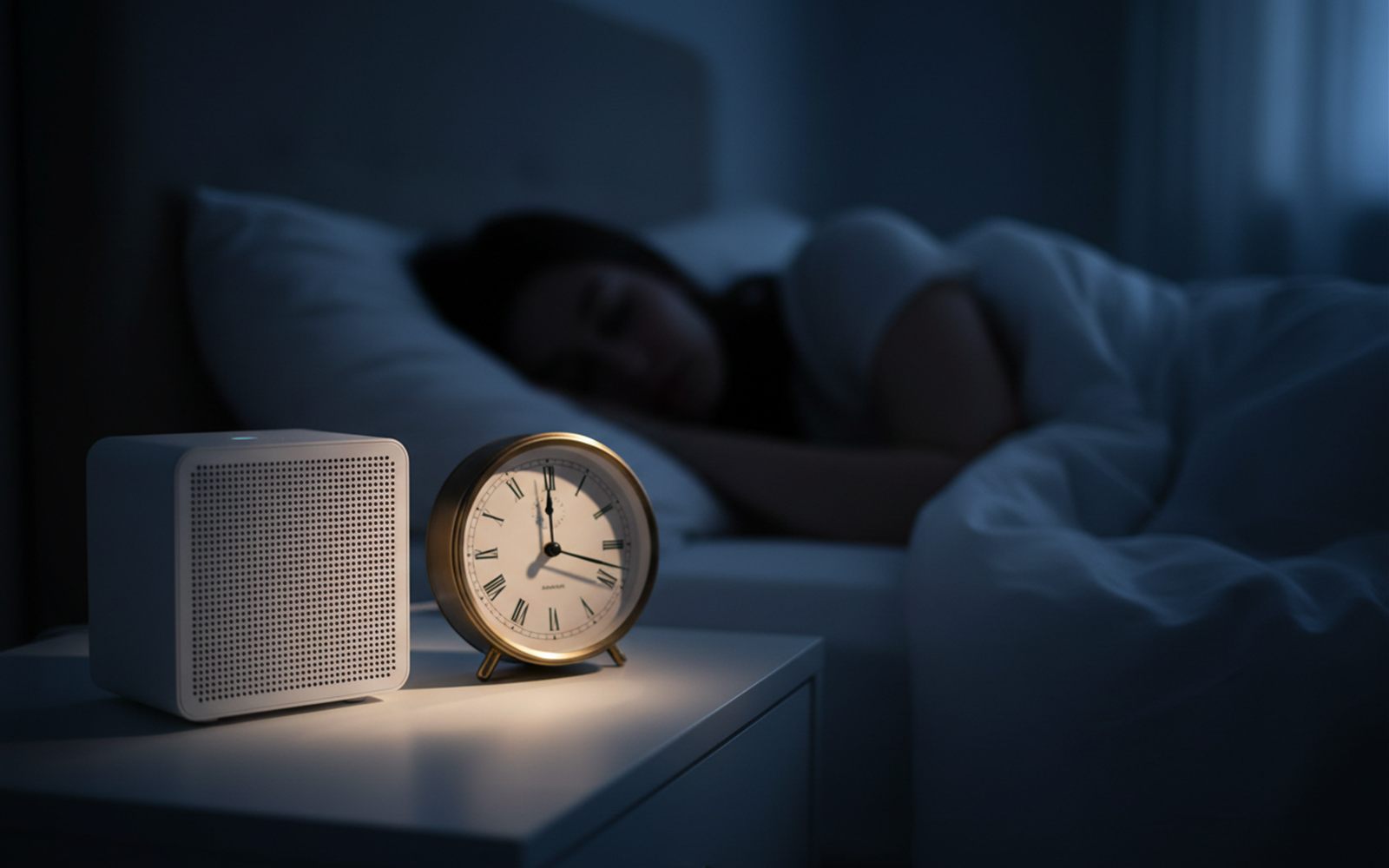
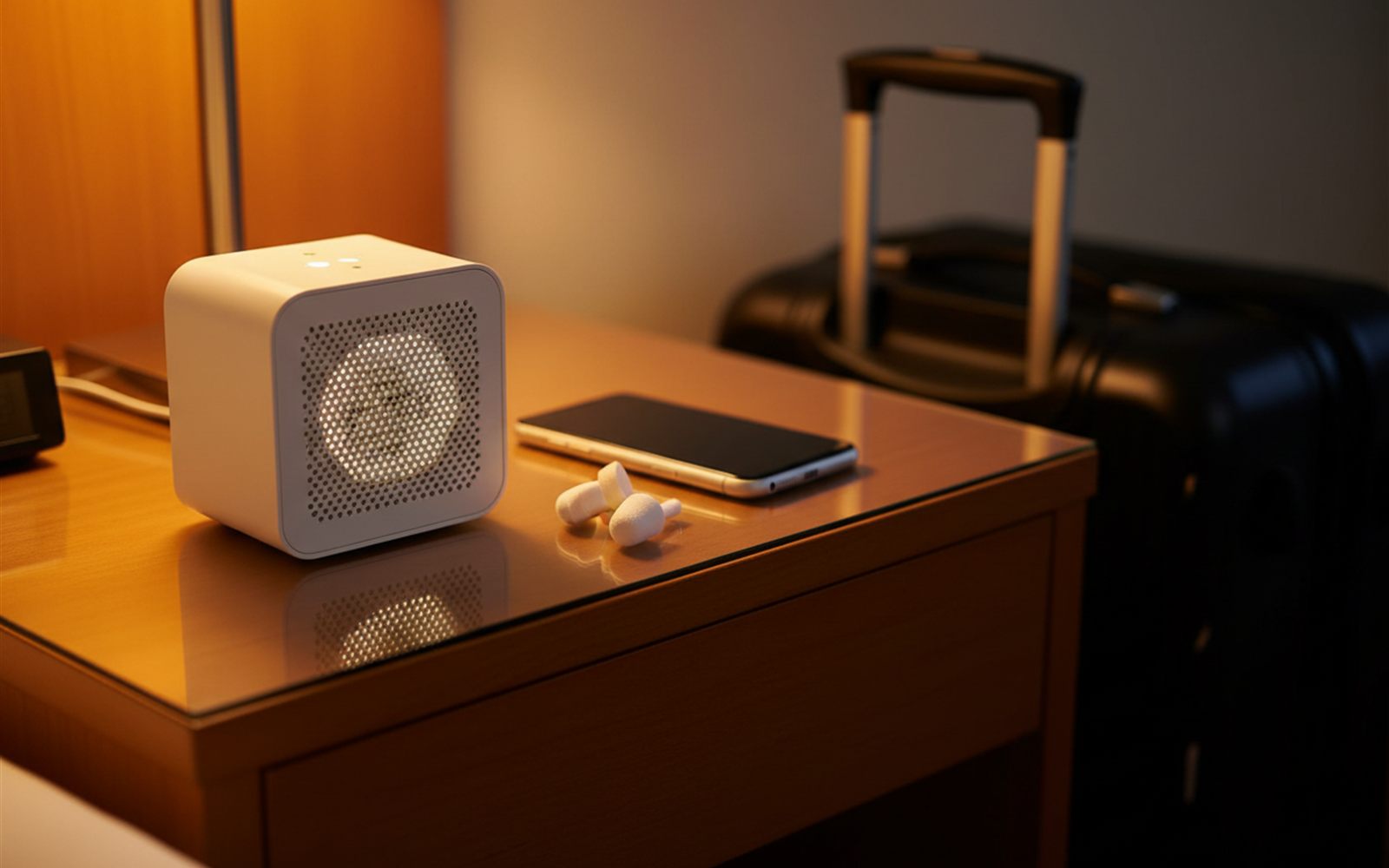
The Magicteam sound machine is a three inch square box, the number one best seller in its category on Amazon, with more than 20,000 sold in the past month. It plays 20 sounds: white, brown, pink, and blue noise, plus fan, rain, ocean, brook, birds, and bonfire. It runs on wall power or any USB port and costs around $20.
The hush has no seams. The 20 sounds are non looping, which matters more than it sounds. Cheap machines repeat a short clip, and once your brain spots the loop it starts waiting for it. This one never gives it a pattern to find.
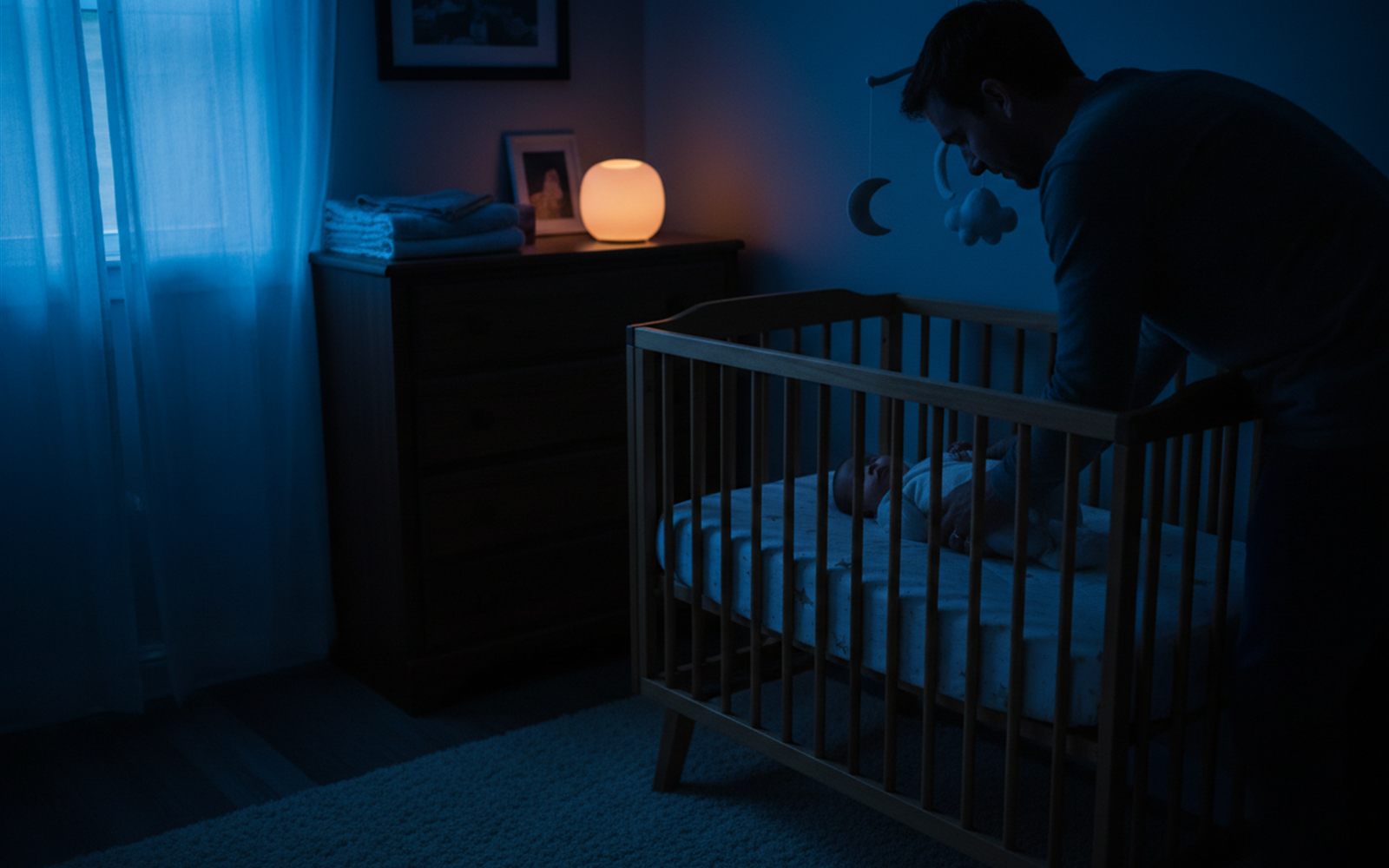
The volume actually fits your room. With 32 volume levels, you can set a whisper for a nursery or turn it up loud enough to blanket a snoring partner, barking dogs, or a television through the wall, all things reviewers specifically report drowning out.
You set it once. The memory function restores your exact sound, volume, and timer every night, so bedtime is one press of a button. Choose a one to four hour timer or let it run until morning, and the whole thing is small enough to disappear into a suitcase pocket for hotel rooms. Because it runs on USB as well as wall power, travelers plug it into a power bank when the hotel outlet is across the room.
Here is the simple mechanism. What snaps you awake at night is rarely loudness itself, it is contrast: a sharp click against dead silence. A steady sound floor shrinks that contrast, so the door click sinks into the hush instead of spiking above it.
This is not just a nice theory. Sleep researchers describe it as raising the arousal threshold, and a systematic review of sound machine studies in hospitalized adults, published in 2025, found sleepers using masking machines were rarely disturbed by ward noise while unprotected sleepers woke often, with overall sleep efficiency improving. Hospitals are the noisiest bedrooms on earth, which makes them a fine stress test for your hallway.
Before: silence, then a single clack from the kitchen, and you surface instantly, heart going, brain booting up whether you asked it to or not.
After: the same clack lands inside a soft wall of brown noise, never clears it, and you sleep straight through a sound you will never know happened.
Finding your sound takes one evening of experimenting. White noise sits bright and hissy, brown noise rumbles low like a distant highway, and the fan and rain options split the difference. Reviewers tend to settle on one within a night or two and never touch the dial again.
A $20 box does not need a manual, but owners and sleep guides agree on a few moves that separate fine from flawless.
Put it between you and the noise. The machine works by covering sound, so place it near the door, the window, or the shared wall, wherever trouble comes from, rather than tight beside your ear. The hush should sit in the noise’s path.
Choose depth over volume. If a sound needs to be loud to work, try a deeper one instead. Brown noise covers low rumbles like traffic and snoring at a gentler volume than white noise fighting the same battle. Sleep resources like Sleep Me suggest keeping overnight sound below about 50 decibels, quieter than a normal conversation, and the deep options get you there.
Let the memory function build the ritual. Same sound, same volume, same time every night: one button. Reviewers repeatedly describe the sound itself becoming a sleep cue within a couple of weeks, the audio equivalent of your side of the bed.
Use the timer for falling asleep, all night mode for staying asleep. The one to four hour timer suits people who only need help drifting off. If 3 am wakeups are your enemy, run it until morning, because the noise floor only protects you while it exists.
Pack it for every trip. Hotel rooms are strange noise in a strange bed. USB power plus a pocket sized body means the one constant in any room is your own hush, and travelers in the reviews call this the habit that made hotel sleep normal.
If silence is golden, why do the best rested people you know sleep inside a wall of noise? Because steady beats silent, and several machines now sell that steadiness at very different prices.
| Option | Price | The difference |
|---|---|---|
| Magicteam machine | About $20 | 4.5 stars, nearly 69,000 ratings, number one best seller, zero frills |
| Easysleep machine | About $22 | 4.6 stars from 17,500 buyers, adds night lights, similar formula |
| Hatch Restore 3 | About $170 | 4.2 stars, sunrise alarm, 80 plus sounds, app routines and membership content |
| Phone plus free app | Free | Works, but parks your biggest distraction on the nightstand all night |
| A box fan | About $25 | The classic, but seasonal, bulky, and it moves actual air all winter |
The honest sort: the Hatch Restore 3 is a genuinely nicer object, and if you want a sunrise wake light, guided wind downs, and an app running the show, it earns fans at eight times the price. But strictly for the sound floor that stops 3 am wakeups, the $20 box does the same core job, which is why it outsells nearly everything above it. The phone app is the free trial of this idea, and its cost is keeping the phone within arm’s reach, notifications and all. The fan is noble and drafty.
Start at $20. If you later discover you want light and coaching too, the upgrade path will still be there.
The first popular sleep machines were mechanical: a small fan spinning inside a slotted shell, making real moving air sounds people still swear by. Digital machines shrank the idea, then created the category’s quiet scandal, the loop. Early digital models replayed a short recording, and light sleepers learned to hear the splice point the way you hear a skip in a song, waiting for it, wide awake.
The current generation fixed the two things that mattered: sounds generated without a repeating seam, and USB power that freed the machine from the wall outlet. Meanwhile the top end sprinted toward apps, sunrise lamps, and subscriptions. The result is a rare category where the $20 floor and the $170 ceiling both work, and the difference is entirely about how much ceremony you want with your hush.
It holds 4.5 stars across nearly 69,000 ratings, with 74 percent of buyers leaving five stars. The themes repeat like a chorus: it masks household and street noise that used to cause wakeups, it is tiny enough to travel everywhere, and people report falling asleep faster and staying down longer. One reviewer put it simply: “I have never slept better honestly”.
Three reviews that capture the nightly reality.
“This is a great product. It blocks most outside noise & it helps me to sleep by blocking & distracting my brain from all the thoughts from the day.”
(verified Amazon review)
“This is very small, so uses hardly any space on the nightstand, has great sound with lots of choices to the sound you like, great volume control too!!”
(verified Amazon review)
“Works great! The timer is adjustable and you can set it to run all night or in timed increments. The different sounds are all pleasant and relaxing!”
(verified Amazon review)
The honest gripe: reliability. A minority of owners report units that quit after some months of nightly duty. Most run for years, but the failure reports are real and recurring. At $20 the math still works for most buyers, just keep the receipt window in mind and test yours nightly from day one.
Light sleepers, apartment dwellers with thin walls, shift workers sleeping through daylight noise, parents of newborns, and frequent travelers. If the noise you fight comes from inside the bed, a snorer, or a mind that will not idle, our sleep headband pick for side sleepers attacks the same night from the other direction. Skip the machine if you need battery power for camping, or if you want app control and sunrise alarms, which is Hatch territory at several times the price.
For around $20 it buys the thing no mattress can: a night without contrast. The button above shows the current price on Amazon.
A solar powered feeder that snaps portraits of every bird and tells you who just landed.
A cordless spinning brush on a long handle strips away soap scum while your knees stay dry.
A wire free probe tells your phone exactly when the chicken is done, no guessing, no cutting it open.