The Bird Feeder With a Camera That Puts a Name to Every Visitor
A solar powered feeder that snaps portraits of every bird and tells you who just landed.
Tap an app and your keys start singing, or squeeze the tag to find your silenced phone.
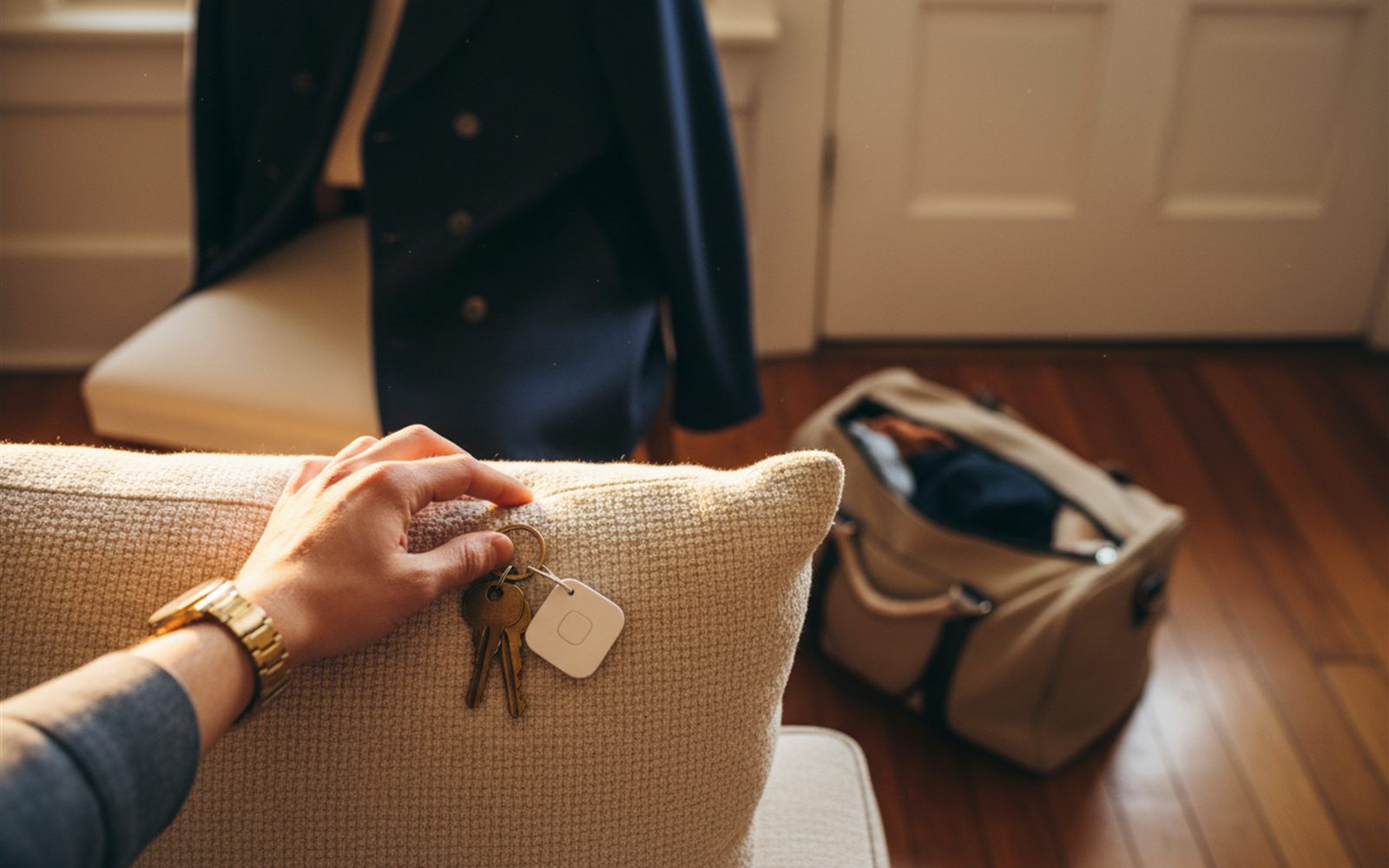
8:12 am. Shoes on, bag packed, coffee in the travel mug, and the keys are in none of the three places keys are allowed to live. Multiply the average hunt by every workday and you are donating hours of your year to a couch cushion.
Bluetooth trackers exist to end exactly this, and the category is having a moment: both Engadget and Tom’s Guide published 2026 rankings of the best trackers and key finders, with Tile sitting squarely in the class everyone measures against. The current Tile, now made by Life360, costs about $20.
The Life360 Tile is a small square tag that slips onto your keyring and pairs with the free app on your phone. It holds an Amazon’s Choice badge with more than 7,000 sold in the past month. Lose the keys, open the app, tap ring, and the tag sings until you find them.
The trick to understand is what a tracker really replaces: your memory. Nearby, your phone rings the tag directly over Bluetooth. Farther away, the app shows where the keys last saw your phone, which is almost always the answer to the only question that matters, did I leave them at the gym or are they in this house?
The keys answer when called. The ring feature is the whole product, and buyers confirm it does its one job again and again, through couch cushions, coat pockets, and yesterday’s jeans.
It works in reverse. Double press the button on the Tile and your phone rings, even if it is face down on silent under a pile of laundry. Owners call this the sleeper feature, because the phone goes missing as often as the keys.
The whole family can use it. Unlike Apple’s tracker, this Tile works with both iPhone and Android, so a mixed phone household runs on one system. It also plugs into the Life360 family app, and a triple press quietly sends an SOS alert to your chosen circle.
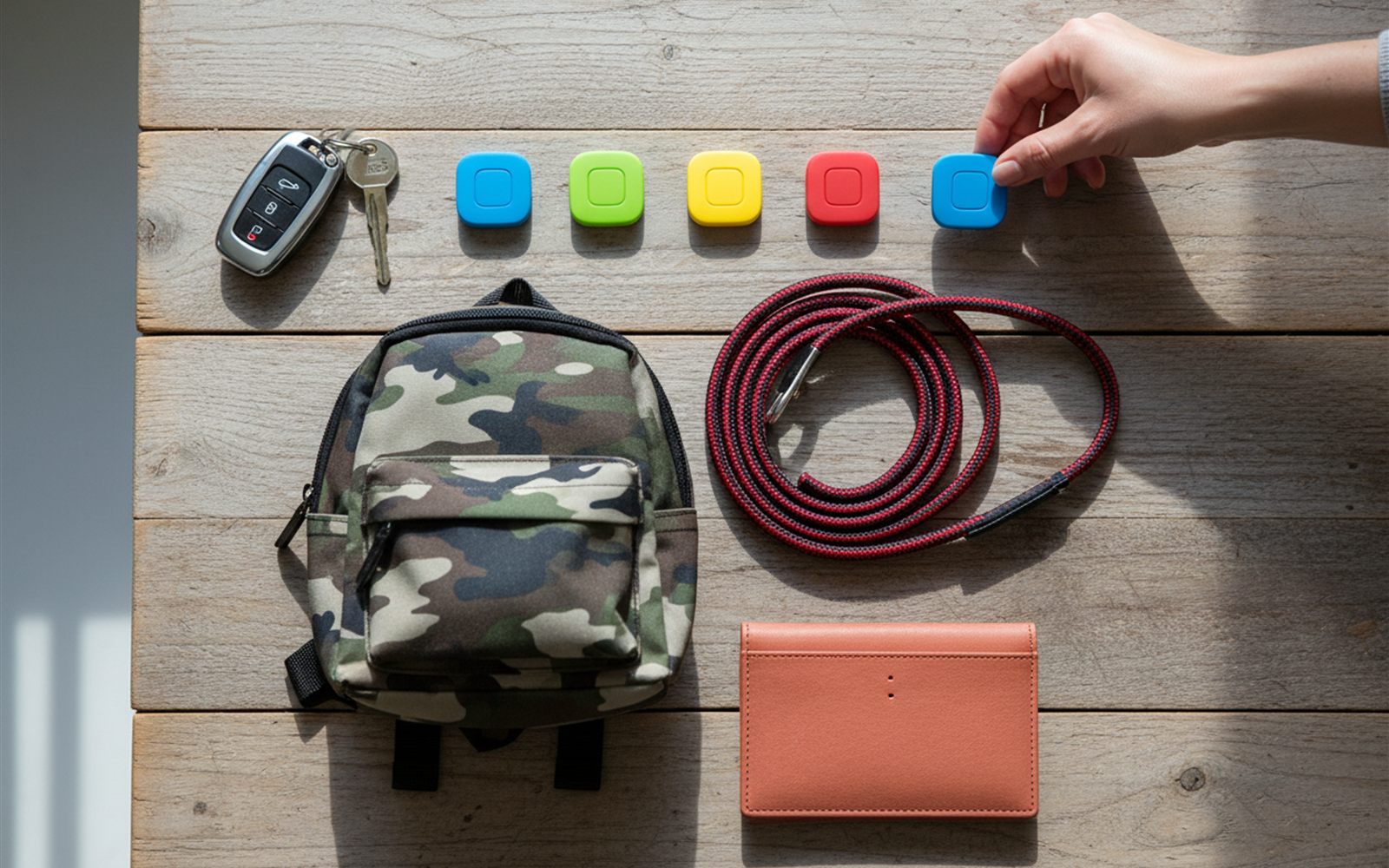
Keys are only the obvious use. The same tag attaches to bags, backpacks, and water bottles, anything in the house with a talent for disappearing, and at this price some households simply run one tag per family member’s daily essentials.
Clip it on the keyring tonight. Tomorrow, when the keys vanish, open the app and tap the ring button instead of starting the archaeology.
Before: fifteen minutes of cushion lifting, pocket patting, and increasingly creative accusations aimed at innocent family members.
After: a cheerful chime from inside the gym bag you forgot you carried yesterday, and you are out the door ninety seconds after noticing the keys were gone.
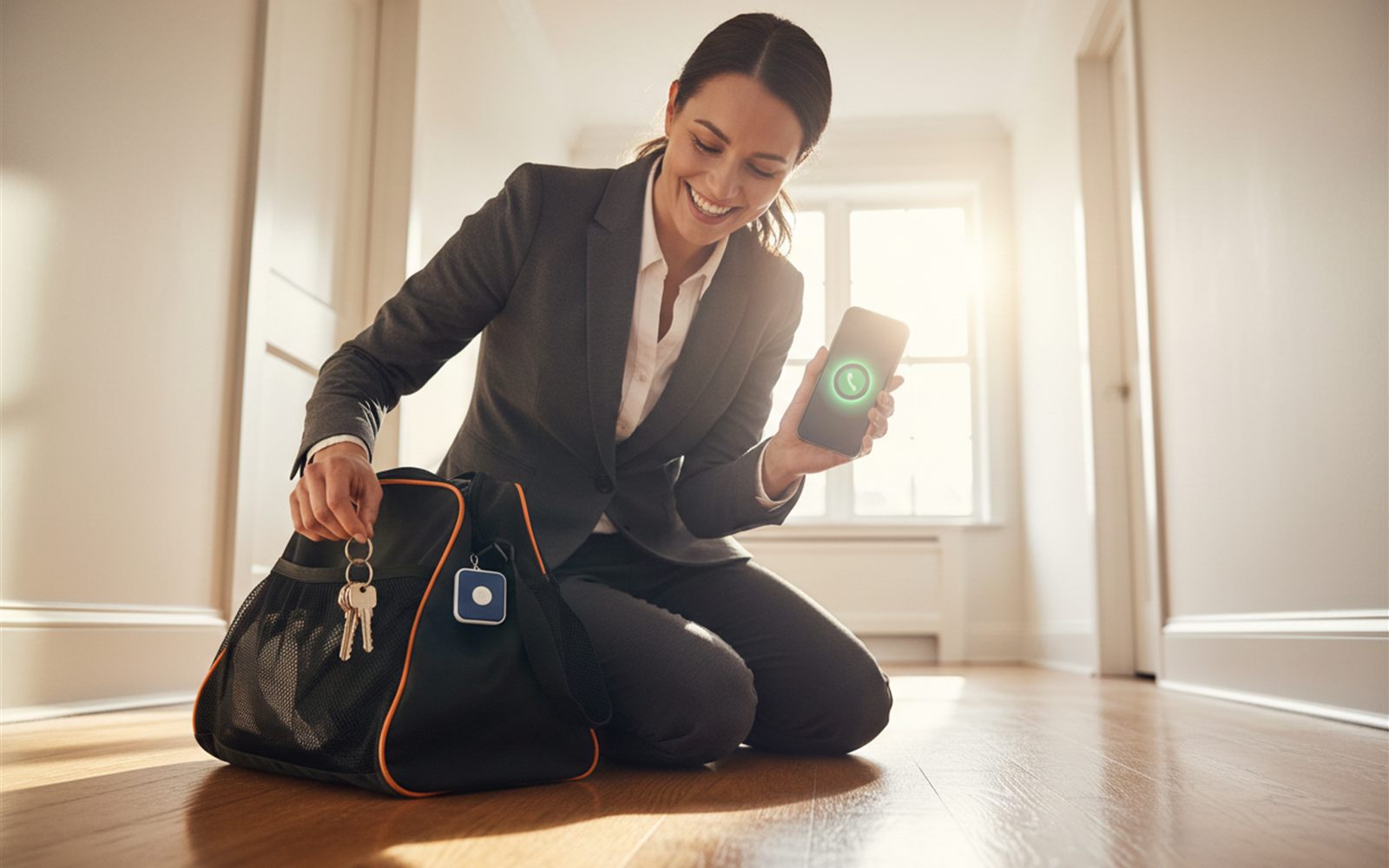
A tracker is a thirty second setup, but longtime owners run theirs with a few habits worth copying.
Name every tag honestly. Keys, Work Bag, Dog Leash Bag. When the app shows five tags at 7:58 am, the names are the difference between one tap and a guessing game.
Drill the phone finder until it is reflex. Double press the Tile, the phone sings through silent mode. Owners call this the feature they use most, and it only pays off if your hands remember it during the panic.
Set up the SOS circle on day one. The triple press alert through the Life360 app takes two minutes to configure and is exactly the kind of feature you cannot set up at the moment you need it.
Give it a monthly sound check. The battery is sealed and rated for about three years. A first of the month ring test takes five seconds, and a tag that sounds quieter than it used to is telling you to plan its replacement on your schedule, not its own.
Spread the tags by disappearance rate. The remote, the travel wallet, the kid’s backpack on field trip season. Multi packs drop the per tag price, which is how most households end up tagging everything with a talent for hiding.
If Apple’s AirTag exists, why does the humble Tile still sell thousands a month? Because the tracker market quietly became four walled gardens, and the right answer depends entirely on the phones in your house.
| Tracker | Price | The difference |
|---|---|---|
| Life360 Tile | About $20 | The only major tag that runs on iPhone and Android in one household |
| Apple AirTag, second generation | About $27, four for $89 | 4.6 stars from 7,700 plus buyers, precision finding on iPhone, iPhone only |
| Chipolo POP | About $29 | Famously loud ring, joins Apple’s or Google’s network, but you pick one |
| Samsung SmartTag2 | About $17 to $21 | 4.5 stars, excellent for Galaxy owners, useless outside Samsung phones |
The honest sort. In an all iPhone family, the second generation AirTag is the strongest tool: Apple’s finding network is enormous, and the new model extends precision finding range up to 1.5 times, which walks you to the exact couch cushion. Tom’s Guide’s testing reaches the same split verdict, crowning AirTag for iPhone households and keeping Tile as the cross platform pick. Samsung loyalists get the same story inside the Galaxy walls with SmartTag2. Chipolo’s POP is the loudest ringer of the group and happily joins Apple’s or Google’s network, but each tag commits to one side.
The Tile is the tag for the family that actually exists: one iPhone, one Android, kids on hand me downs. Everyone runs the same app, everyone can ring everything, and the SOS button works regardless of whose phone is nearest. Life360 says its network now draws on more than 70 million users for out of range finds, smaller than Apple’s but no longer a rounding error. At about $20 a tag, the mixed household finally gets one system instead of two half systems.
Tile effectively invented this category in the early 2010s with a crowdfunded square and a modest promise: your stuff, on a map. For years it owned the idea, building its finding network one app install at a time. Then Apple arrived in 2021 and changed the physics of the market overnight, turning nearly every iPhone on earth into a finding beacon for AirTags, a network no startup could match.
What saved the category from becoming a one company story was the walls themselves. AirTags never worked with Android, Samsung’s tags never left the Galaxy garden, and Google took years to switch on its own finding network for third party tags like Chipolo’s. Tile’s answer was to sell to Life360 and lean into the one position the giants structurally cannot take: both platforms, one family app, one button that also calls for help. The 2026 tracker rankings treat that cross platform lane as Tile’s to lose, and at $20 it remains the cheapest way into the entire idea.
It holds 4.3 stars across more than 10,300 ratings. The recurring themes: setup takes minutes, the perfect keyring size, and it genuinely rescues both keys and phones, with longtime owners saying it works exactly as promised. The shortest review tells the story: “Already helped me find my keys!”
Three owners in their own words.
“The airline lost my luggage on a connecting flight, and this was a life savor. I strongly recommend.”
(verified Amazon review)
“Makes finding keys, headphones, and phone a snap. I bought two of these, one for my keys and one for my headphones.”
(verified Amazon review)
“Easy set up, perfect size to carry on your keys. Perfect gift for someone always losing their keys!”
(verified Amazon review)
The honest gripe: the battery is sealed. It is rated to last about three years, there is no way to swap it, and a vocal minority of buyers report tags dying well before that. When the battery goes, you replace the whole tag. At $20 that stings less than it would at $35, but it is the tradeoff to know before buying. Also understand what this is: Bluetooth proximity finding around the house and recent locations on a map, not live GPS tracking of a stolen bag across town.
Chronic misplacers, households split between iPhone and Android, and anyone shopping a small gift that gets used daily. Skip it if everyone you know runs iPhones and you want the largest finding network, where Apple’s tag makes more sense, or if a sealed battery offends the engineer in you.
The morning has two classic ambushes, and this handles the first. For the other one, the car that answers your key turn with a click, there is the glovebox jump starter that ends dead battery mornings.
For about $20, it deletes the worst fifteen minutes of the morning. The button above shows the current price on Amazon.
A solar powered feeder that snaps portraits of every bird and tells you who just landed.
A cordless spinning brush on a long handle strips away soap scum while your knees stay dry.
A wire free probe tells your phone exactly when the chicken is done, no guessing, no cutting it open.