The Bird Feeder With a Camera That Puts a Name to Every Visitor
A solar powered feeder that snaps portraits of every bird and tells you who just landed.
A paperback sized battery pack that restarts your car in minutes, no strangers or cables required.
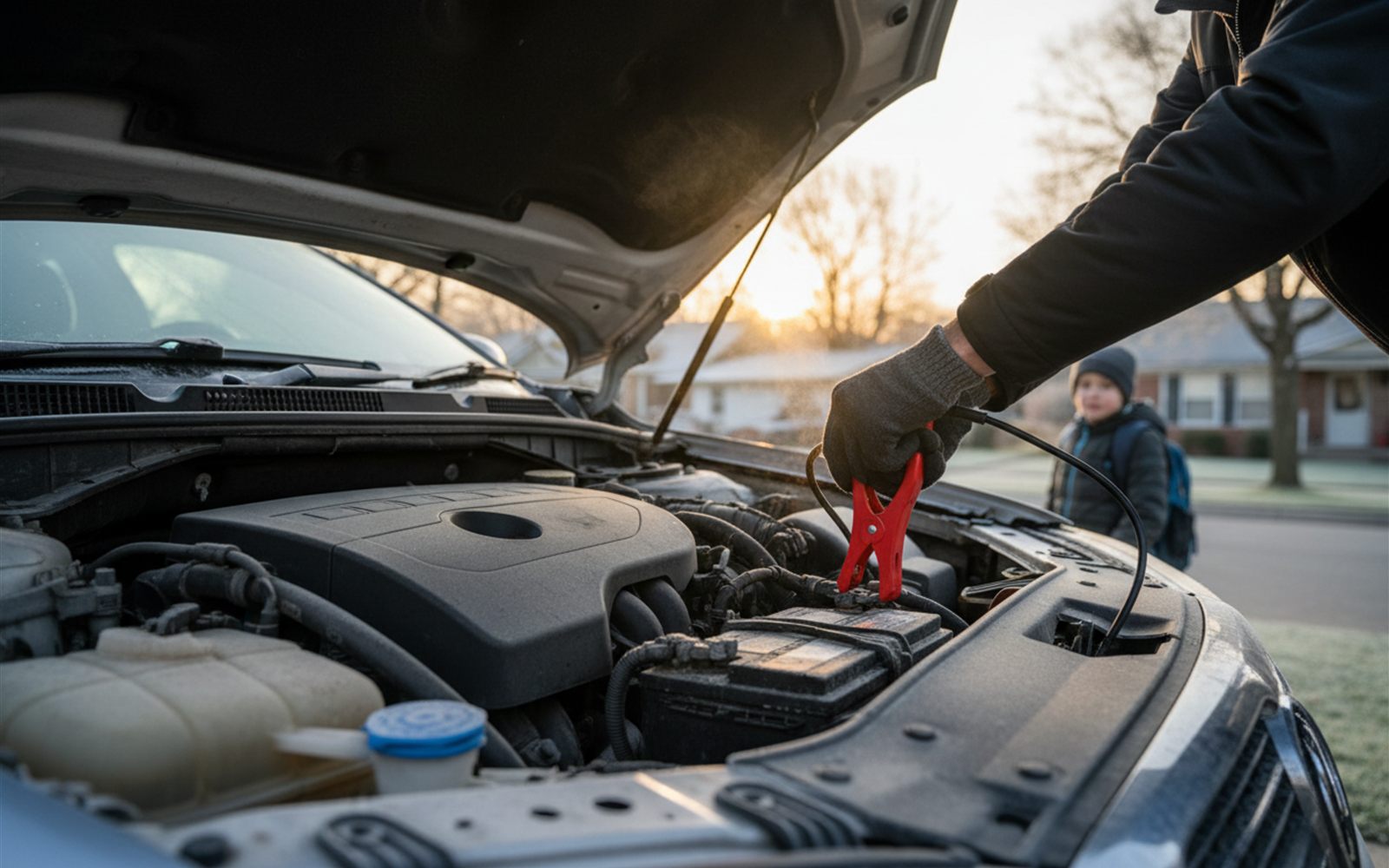
The 7:40 school run. Backpacks loaded, coffee balanced on the roof, key turned. Click, click, click. In three seconds, everyone’s morning schedule just died with the battery, and your options are flagging down a neighbor or waiting on hold with roadside assistance.
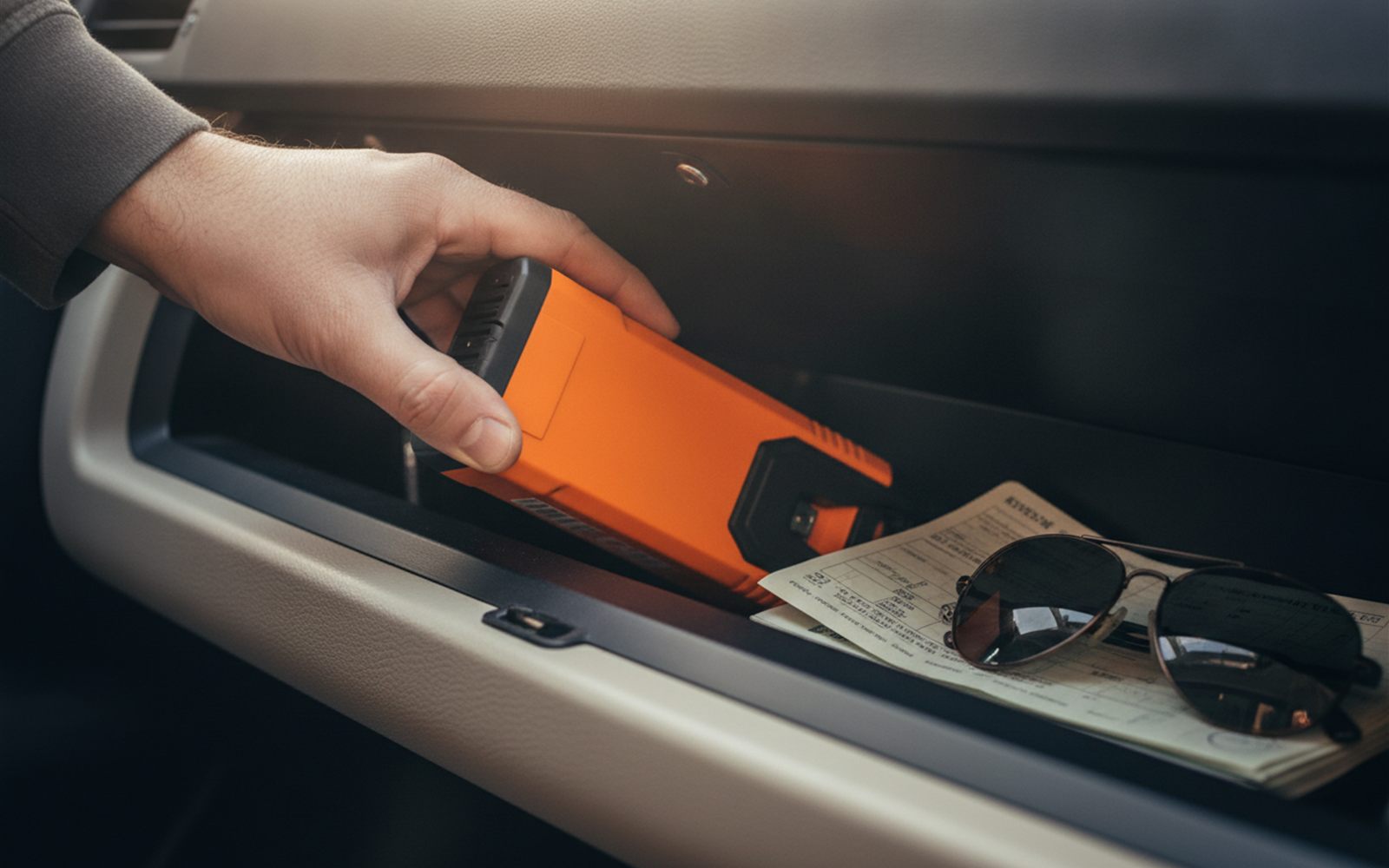
There is a third option, and it fits in the glovebox next to the registration.
The NOCO Boost GB40 is a lithium jump starter about the size of a hardback novel, weighing 2.5 pounds and selling for just under $100 on Amazon. It pushes 1,000 amps, enough to restart gas engines up to 6.0 liters and diesels up to 3.0 liters, and a single charge holds up to 20 jumps. It is the number one best seller in its category, and more than 30,000 people bought one in the past month.
The physics is the fun part. Starting a car does not take much total energy, it takes a violent one second flood of it, and modern lithium cells are spectacular at exactly that. A start needs a flood, not a lake, which is how a paperback does the job your neighbor’s whole idling car used to do.
You rescue yourself. No waving at strangers, no nose to nose parking, no 25 foot cable ritual in the rain. You clamp, you press, you drive. Buyers say over and over that it is far easier than traditional jumper cables.
It is nearly impossible to mess up. The clamps are spark proof with reverse polarity protection, so if you connect them backwards the unit simply refuses to fire instead of punishing you. That safety net is the reason people hand this exact model to college kids and new drivers.
It earns its seat between emergencies. A 100 lumen flashlight with seven modes, including SOS and strobe, plus a USB port that turns the whole thing into a chunky phone power bank on road trips. It recharges fully in about 3 hours.
Pop the hood. Red clamp on the battery’s positive post, black clamp on a bare metal ground. The GB40’s lights confirm a good connection, you press the boost button, get back in the car, and turn the key. Most owners describe the engine catching on the first crank.
Before: you are standing in a parking garage at 9 pm, phone at 12 percent, negotiating with a tow dispatcher about a 90 minute window.
After: you are pulling out of that same garage four minutes after opening the trunk, slightly smug, coffee still warm.
The GB40 is a press and go tool, but owners who have used theirs for years share a short playbook.
Make the top up a calendar event. The one recurring failure story is a rescue battery that was never recharged. Every three months, ten minutes on a USB cable. Do it when you pay the car insurance and the habit runs itself.
Practice once in the driveway. Clamp it on a healthy car some Saturday, watch the connection lights, press boost, done. The first real use will happen in the dark, in weather, with an audience, and ninety seconds of rehearsal removes all the drama. This is also the single best lesson to hand a new driver along with the unit.
Charge it before every road trip. A full unit is 20 potential starts plus a phone power bank plus a flashlight with SOS and strobe modes. That is most of a roadside kit in one brick.
Give it a home, not a hiding place. Glovebox, door pocket, or the trunk cubby with the spare. Reviewers who praise theirs most are the ones who could find it in ten seconds with cold hands.
Consider the case. NOCO’s fitted EVA case runs about $30 and holds 4.8 stars across roughly 9,800 ratings, and it keeps the clamps from rattling loose in a trunk full of groceries. Optional, but the tidy make it last choice.
If jumper cables cost $20, why do mechanics carry jump packs instead? Because cables are only half a solution: they still require a second running car, a stranger’s time, and two hoods that can reach each other. Here is the real decision most drivers face.
| Option | Price | The difference |
|---|---|---|
| Jumper cables | About $20 for a solid 16 foot set | Needs a donor car and a helpful stranger |
| AAA Classic membership | About $45 to $75 every year | A human rescues you, tows included, but you wait for the truck |
| NOCO Boost GB40 | About $100 once | Self rescue in minutes, 4.6 stars from 128,000 plus owners |
| NOCO Boost GBX45 | About $125 | More cranking power and faster recharging, same pocket size class |
| NOCO Boost GB70 | About $200 | 2,000 amps for big trucks, 8.0 liter gas and 6.0 liter diesel engines |
The price math is blunt. Per Insurify’s 2026 breakdown, a basic AAA membership runs $45 to $75 a year, every year, and its Classic tier tows you five miles. The GB40 costs about one year of that, once, and then starts your car for the better part of a decade of mornings. Cables cost a dinner, but they are worthless in an empty parking garage at 9 pm.
The honest sort: cables still belong in the trunk as a backup, and AAA still earns its fee for households that want tows, lockouts, and fuel runs in one number. But for the specific disaster of a dead battery, the GB40 is the version that answers on the first ring. Drive a large gas SUV and the step up GBX45 buys margin. Drive a heavy diesel and the GB70 is the correct tool, not a luxury.
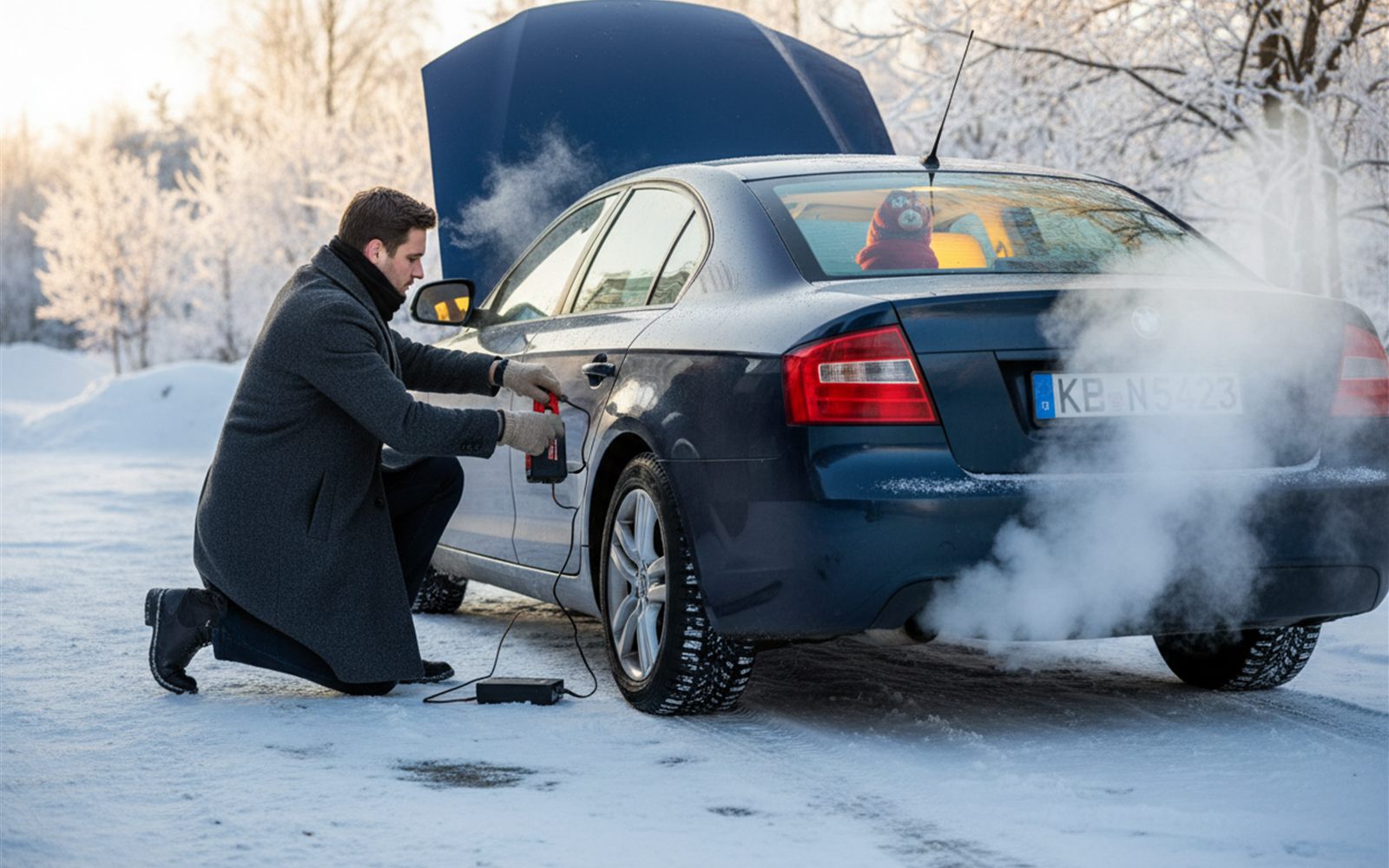
Jump starting used to mean either cables and charity or a 20 pound lead acid booster box from the parts store, the kind that lived in repair shops because nobody wanted to lift it into a sedan. Lead acid packs were heavy, faded fast in storage, and sparked if you crossed the clamps, which is why dads taught the connection order like a religious rite.
Lithium battery chemistry rewrote the size math in the 2010s, packing car starting current into a device lighter than a lunchbox, and NOCO’s contribution was making it foolproof: spark proof clamps, reverse polarity protection, and connection lights that talk you through it. That is the quiet reason this category exploded from a mechanic’s tool into something 30,000 households a month buy on Amazon. The earlier versions worked if you knew what you were doing. This one works even if you do not.
The GB40 holds 4.6 stars across more than 128,000 ratings, with 82 percent of buyers leaving five stars. Three themes dominate. It is dramatically easier than cables. It is small but genuinely powerful, with owners reporting multiple cars started on one charge. And it simply works when needed, even on batteries that sat dead all winter. One reviewer put it plainly: “Worked like a charm, and the car started right up!”
Three owners put it better than any spec sheet could.
“When my spouse went to start her car the next morning, the battery was dead. I put the jump starter on, waited about 15 seconds and it fired right up.”
(verified Amazon review)
“Works great so far! Easy to charge, easy to use, started my old car right up even though the battery was 100% dead and it hadn’t been run all winter!”
(verified Amazon review)
“This product is truly Genius. Love everything about it, easy to use, compact, holds charge for months.”
(verified Amazon review)
The honest gripe: battery life in storage splits opinion. Plenty of owners say it holds a charge for months, but a real minority opened the glovebox in an emergency and found it low. The fix is boring and easy: top it up every three months or so, the same habit you already have with a flashlight. A dead rescue battery is a you problem the calendar can solve.
Every household running a car out of warranty, parents of new drivers, short trip commuters whose batteries never fully recharge, and anyone whose garage hits real winter. Skip it if you drive a heavy diesel truck over 3.0 liters, which needs NOCO’s larger and pricier units instead.
Dead batteries are one of the two great morning ambushes. The other one, the vanished keys, has its own $20 fix.
For just under $100, it converts the worst kind of morning into a four minute errand. Check the current price on Amazon with the button above.
A solar powered feeder that snaps portraits of every bird and tells you who just landed.
A cordless spinning brush on a long handle strips away soap scum while your knees stay dry.
A wire free probe tells your phone exactly when the chicken is done, no guessing, no cutting it open.