
Why Everyone Is Suddenly Wearing AI Smart Glasses
Meta's new $299 frames and its display glasses turned a nerdy experiment into the gadget of the year.
Screenless rings from Oura, Samsung, and RingConn track sleep for a week per charge with zero buzzing.
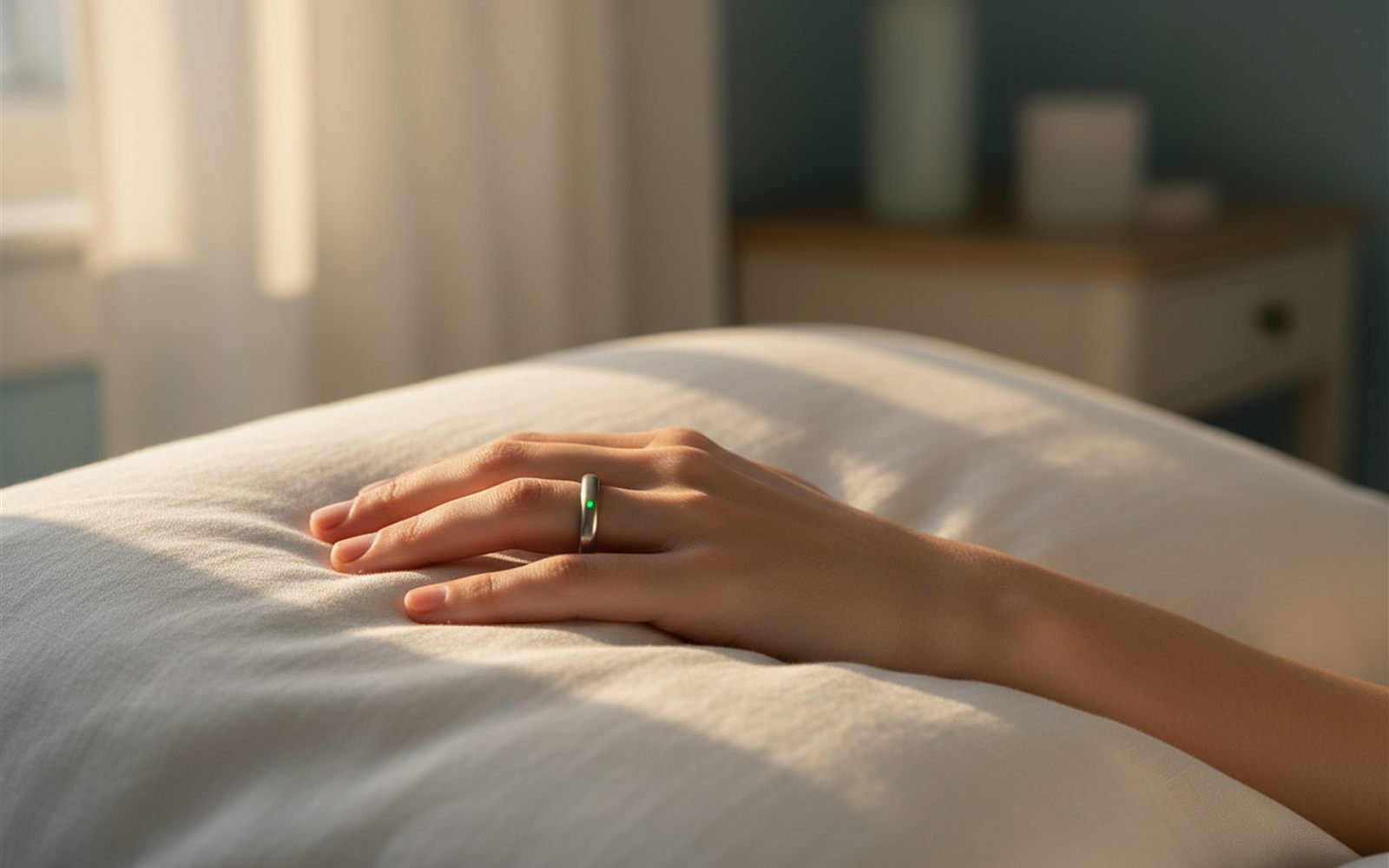
A quiet swap is happening on American nightstands. The smartwatch stays on its charger, and a plain metal band on one finger takes over the night shift. Smart rings have become the way people actually want to track sleep.
The 2026 ring lineup finally has something at every price. Oura’s Ring 4, at $349 plus a $5.99 monthly membership, tops this year’s rankings from Tom’s Guide, TechRadar, NBC Select, and Wareable for sleep tracking accuracy and app depth. Samsung’s Galaxy Ring costs $399 with no subscription at all. RingConn’s Gen 2 runs $299 with about 11 days of battery, and its Gen 2 Air, TechRadar’s budget pick, drops the price floor to $199, also subscription free. For the first time, going screenless does not mean settling.
The business behind the trend is booming too. Oura announced late last year that it had passed $1 billion in annual revenue and more than 5.5 million rings sold, and Bloomberg opened 2026 by calling smart rings one of the year’s breakout categories, with Oura set to lead it. This stopped being a niche gadget while nobody was looking.
Tiny sensors pressed against your finger read pulse, temperature shifts, and movement all night, and the finger happens to be a strong, steady spot to take those readings. Software then turns the raw signals into sleep stages, a recovery score, and trends you can actually act on in the morning. Over weeks, the apps start surfacing patterns, like how a late dinner or one more drink quietly taxes your night. Oura has even published research on temperature trends that often shift before people feel themselves getting sick, and its Symptom Radar feature now flags those strained mornings outright, the kind of early nudge owners rave about.
Temperature is quietly the ring’s superpower for women’s health too. Oura’s readings feed cycle tracking in its own app, and the company partners with Natural Cycles so the ring’s overnight temperatures can replace the daily thermometer routine entirely. For a lot of buyers, that one integration is the purchase.
Day one is underwhelming on purpose. You size it with a plastic kit, slide it on, and it does nothing visible at all. The whole interface is the next morning: coffee in one hand, phone in the other, and a readiness score waiting like a tiny report card on how the night went.
By week two, a routine forms that long term reviewers at Forbes and The Healthy describe almost identically. You stop reacting to single numbers and start watching trends. One bad score means nothing. Five short nights in a row and the app quietly downgrades your resilience rating, which turns out to be the nudge that actually changes behavior, because it is hard to argue with your own month of data.
By month three, the slow burn features arrive. Oura’s app has enough data to estimate your chronotype, the natural early bird or night owl rhythm you have been fighting or obeying your whole life, and a cardiovascular age estimate that either flatters you or stings. Reviewers who tested the ring for six months keep landing on the same conclusion: the value is not any single reading, it is the mirror. Charging, meanwhile, becomes a twice a month bath time ritual, not a nightly chore.
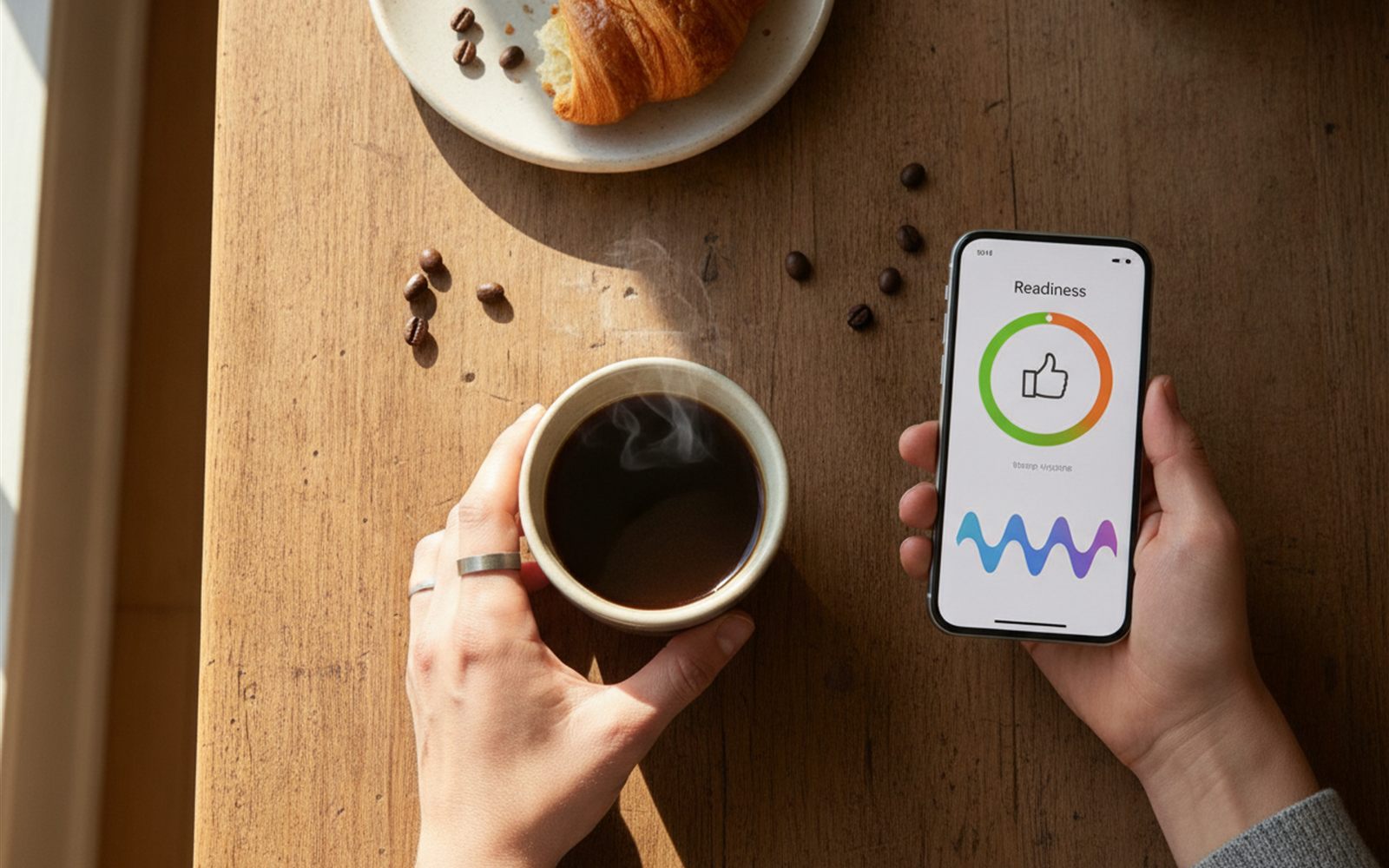
Nothing buzzes, glows, or shows you a work email at 2 am. A ring is a tracker, not another screen, and for sleep that is exactly the point.
Charger anxiety disappears. Rings run about five to eleven days per charge depending on the model, so they actually get worn every night, while a smartwatch that realistically wants a charge every night tends to miss the very sleep it was bought to track.
And a ring disappears on your hand. It works with a dress watch or bare wrists, and reviewers across this year’s guides keep repeating the same line: they forget it is on.
Read enough owner threads and this year’s guides, and three themes repeat. The happy one: the mirror effect works, and people genuinely change bedtimes, cut the third drink, and protect wind down hours because the data made the cost of skipping them visible. The grumpy one: Oura’s paywall stings on a ring that already cost $349, and it is the single most common complaint in otherwise glowing reviews. And the cautionary one: score chasing is real. Sleep researchers have a name, orthosomnia, for anxiety about achieving perfect sleep data, and the fix most long term owners land on is checking trends weekly instead of grading every single morning.
Three verified Amazon reviews of the Oura Ring 4 tell the happy theme better than we can.
“The Oura Ring tracks sleep, activity, and readiness with remarkable accuracy. It even detects when I’ve taken a nap!”
(verified Amazon review)
“My Oura ring has detected me getting ill before I actually felt it. So a win is a win”
(verified Amazon review)
“It’s crazy how much this ring detects and I find it very accurate. I’ve had mine for about 5 months now and have no regrets about getting one.”
(verified Amazon review)
There is a reason the honest reviews still end in a recommendation. A tracker you wear every night beats a technically better one that sits in a drawer, and rings win on exactly that.
If the hardware looks similar, why do prices behave so differently? Because two business models are fighting over your finger: sell the ring once, or rent you the insights forever. Here is what year one really costs.
| Ring | Up front | Ongoing fee | First year total |
|---|---|---|---|
| RingConn Gen 2 Air | $199 | none | $199 |
| RingConn Gen 2 | $299 | none | $299 |
| Ultrahuman Ring Air | $349 | none | $349 |
| Oura Ring 4 | $349 | $5.99 a month | about $420 |
| Samsung Galaxy Ring | $399 | none | $399 |
Stretch it to three years and the gap widens: an Oura runs about $565 all in, while the Galaxy Ring stays $399 and the budget RingConn stays $199. Oura’s defense is that the membership funds the deepest app in the business, and this year’s buyer guides mostly agree the software lead is real. The honest question is whether you will still be checking the app in year three. Owners who treat it as a habit say yes and pay happily. Drawer gadget people should buy fee free.
A ring is a specialist, and it helps to know what it cannot do before you retire the watch.
There is no screen, so your phone is the dashboard, and there are no alarms, timers, or notifications on your finger. Runners lose the most: no GPS, no pace, no maps mid run, which is why plenty of people land on watch by day, ring by night. Lifters and gardeners learn that titanium scratches against barbells and shovels, so the ring comes off for grip work. Fit is fussy, since a finger that swells in heat or shrinks in cold can loosen the sensor contact that good data depends on, which is why every brand ships a sizing kit first. The guides all give the same advice: wear the plastic sizer for a full day and night, workout included, because the size that feels right at breakfast is not always the one that reads clean at 3 am.
And none of these are medical devices. They spot patterns, they do not diagnose. Sleep scientists who compare consumer trackers against lab equipment consistently find the stage by stage breakdowns are estimates, good for trends, not for treating a disorder. Your health data also lives on company servers: Oura and Samsung both state they do not sell it, but it is worth reading those settings once, because the most personal gadget you own should earn the most skeptical five minutes.
Prices are drifting down fast, with solid trackers now at $199 and rivals like Ultrahuman selling subscription free at $349. Samsung’s fee free push is squeezing everyone’s membership model, and the sensor race is headed toward blood pressure style readings that today’s rings only hint at, packed into bands that keep getting thinner each generation. Expect aggressive holiday deals, and expect your next fitness obsessed friend to show you a ring instead of a wrist, probably right after showing you their new AI glasses, because 2026 is the year the gadgets stopped living in your pocket.
The best health gadget of 2026 might be the one that finally learned to leave you alone.
Meta's new $299 frames and its display glasses turned a nerdy experiment into the gadget of the year.
After a decade of promises, solid state cells are shipping in a real vehicle, with earbuds and cars next in line.
EarFun's Clip 2 puts live translation in 100 languages on your ears without a triple digit price.