
Why Everyone Is Suddenly Wearing AI Smart Glasses
Meta's new $299 frames and its display glasses turned a nerdy experiment into the gadget of the year.
With cocoa prices still brutal, cocoa free chocolate and beanless coffee are finally landing in real stores.
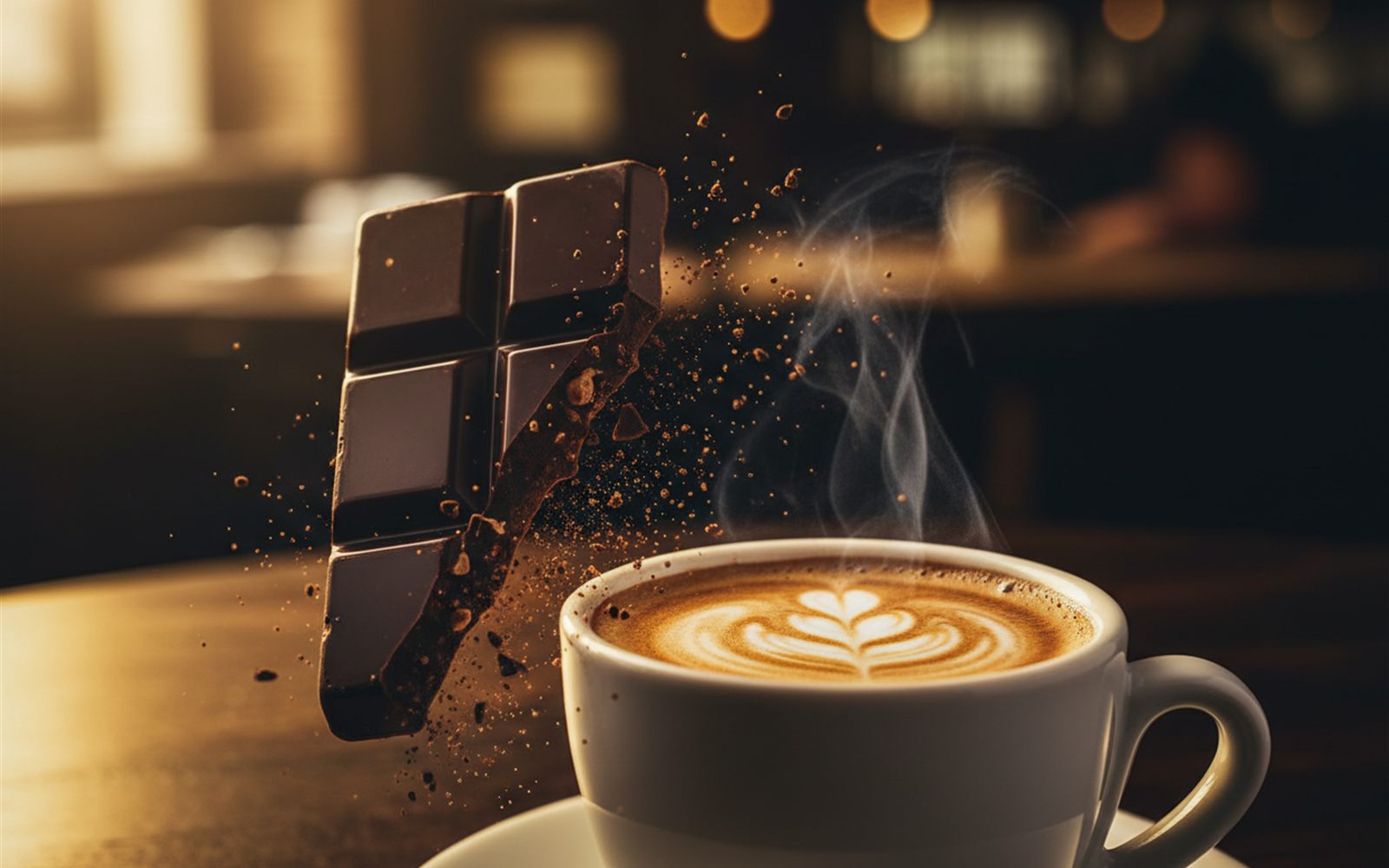
The candy aisle has been quietly repricing itself for two years, and your favorite bar is smaller, pricier, or both. Food scientists responded in the most direct way imaginable. They started making chocolate without cocoa and coffee without beans, and both are now actually for sale.
Cocoa is the reason. Prices spiked to about $12,000 a metric ton in early 2025, the highest in decades, and even after cooling to around $5,000 by January 2026 they remain far above the old normal. That gap turned alternative chocolate from a science project into a business.
Voyage Foods, an Oakland company, makes cocoa free chocolate from grape seeds and other upcycled ingredients. It raised $36 million, runs an Ohio plant with capacity for 10,000 metric tons a year, and partners with agriculture giant Cargill to supply food brands, which means its chocolate increasingly hides inside snacks you already buy. On the lab grown side, California Cultured and baking supplier Puratos say the first professional chocolate made with cultured cocoa cells should be commercially available in the US toward the end of 2026, and The Chemical Engineer reports lab grown chocolate could be supermarket ready by 2027.
Coffee has its own understudy. Seattle’s Atomo brews beanless coffee from upcycled date seeds, chicory, and grape skins, and sells it through its website, Amazon, and cafe partners. It also blends its grounds with regular arabica, stretching real beans the way oat milk stretched dairy.
There are two roads to the same cup. Companies like Voyage and Atomo rebuild the flavor chemistry of roasted cocoa and coffee using cheaper, steadier crops, molecule by molecule. California Cultured grows actual cocoa cells in steel tanks instead, real chocolate biology with no farm, no pods, and no five year wait for trees to mature.
The best evidence is the cup itself. Axios ran a taste test of Atomo’s brew at a partner cafe, where an 8 ounce latte cost $4, and came away reporting genuine coffee flavor and a genuine caffeine kick, not a herbal impersonation. The recipe reads like a scavenger hunt: upcycled date pits joined by millet, fenugreek, sunflower seeds, green tea, and a squeeze of lemon, all roasted and ground to brew exactly like the coffee you already make. The finished cup carries 30 to 50 percent less acid than regular coffee, a difference low acid drinkers seek out on purpose.
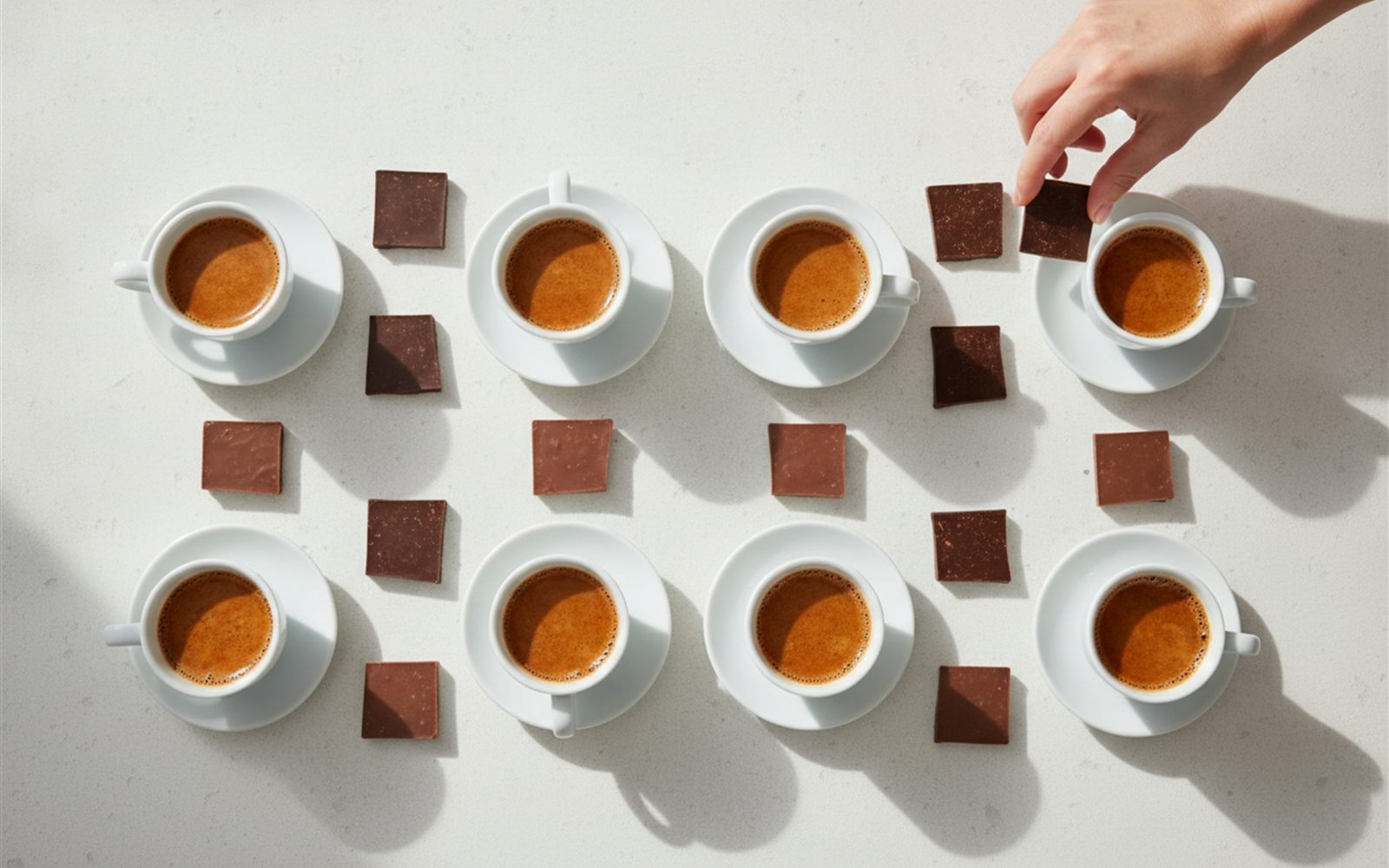
Chocolate’s understudy now has a name on the ingredient list. Cargill and Voyage sell their cocoa free chocolate in North America as NextCoa, in a milk chocolatey Mild and a deeper Dark Mild, shaped into baking drops and melting wafers. And because the recipe is built on grape seeds with no dairy, soy, peanuts, or tree nuts, Cargill is pitching it hard for treats made in allergy conscious kitchens, a selling point real cocoa never had.
Your chocolate budget gets a shock absorber, because these ingredients do not swing with West African harvests or drought years. Coffee drinkers get the same buffer, since coffee futures also hit record highs in 2025.
The environmental math improves. No new rainforest is cleared for a bar built on grape seeds or brewed from date seeds that were headed for the landfill. Cargill says the cocoa free recipe carries a carbon footprint about 67 percent lower than conventional chocolate.
And the taste gap is smaller than you would guess. Atomo’s espresso carries notes of dark chocolate and graham cracker with 30 to 50 percent less acid than regular coffee, and an Axios taster who tried it described the flavor as “lightly roasted caramel.”
Here is the odd part: the fastest way to try the future is not always a store shelf.
| The product | Who makes it | How you get it today |
|---|---|---|
| Beanless grounds and blends | Atomo | Its website and Amazon in 12 ounce bags, plus partner cafes |
| NextCoa drops and wafers | Cargill with Voyage Foods | Arriving inside snacks and baked goods through food distributors |
| Cultured cocoa chocolate | California Cultured with Puratos | Professional bakers first, targeted for late 2026 |
Atomo is the easy one, with grounds priced around $20.99 a pound at wholesale and consumer bags a click away. NextCoa mostly travels the hidden road, flowing through distributors like Batory Foods and Blendtek into products that will simply taste like chocolate. The practical upshot: you will probably eat cocoa free chocolate before you ever knowingly buy it.
Labeling law means many cocoa free bars cannot legally say chocolate on the front of the package, so watch for words like cocoa free or chocolatey. Devoted purists will still spot differences, especially in a plain dark bar. And the alternatives are not yet dramatically cheaper at the register. The savings arrive first for food manufacturers, then trickle down.
Watch baking aisles and coffee shelves through late 2026 as Puratos rolls cultured cocoa out to professional bakers and Voyage’s ingredients spread through mainstream snacks and spreads. Trade press reports a Canadian expansion is imminent for NextCoa, and every month of high cocoa prices recruits more food brands to try the swap. Food keeps getting reinvented in unglamorous places this way, the same quiet shift that is shrinking farms down to countertop size.
The candy bar of 2027 may contain zero cocoa, and the honest bet is that you will not spot which one it is.
Meta's new $299 frames and its display glasses turned a nerdy experiment into the gadget of the year.
After a decade of promises, solid state cells are shipping in a real vehicle, with earbuds and cars next in line.
EarFun's Clip 2 puts live translation in 100 languages on your ears without a triple digit price.