Why Everyone Is Suddenly Wearing AI Smart Glasses
Meta's new $299 frames and its display glasses turned a nerdy experiment into the gadget of the year.
AI carts from Instacart and Amazon now scan groceries as you shop and let you skip the register entirely.
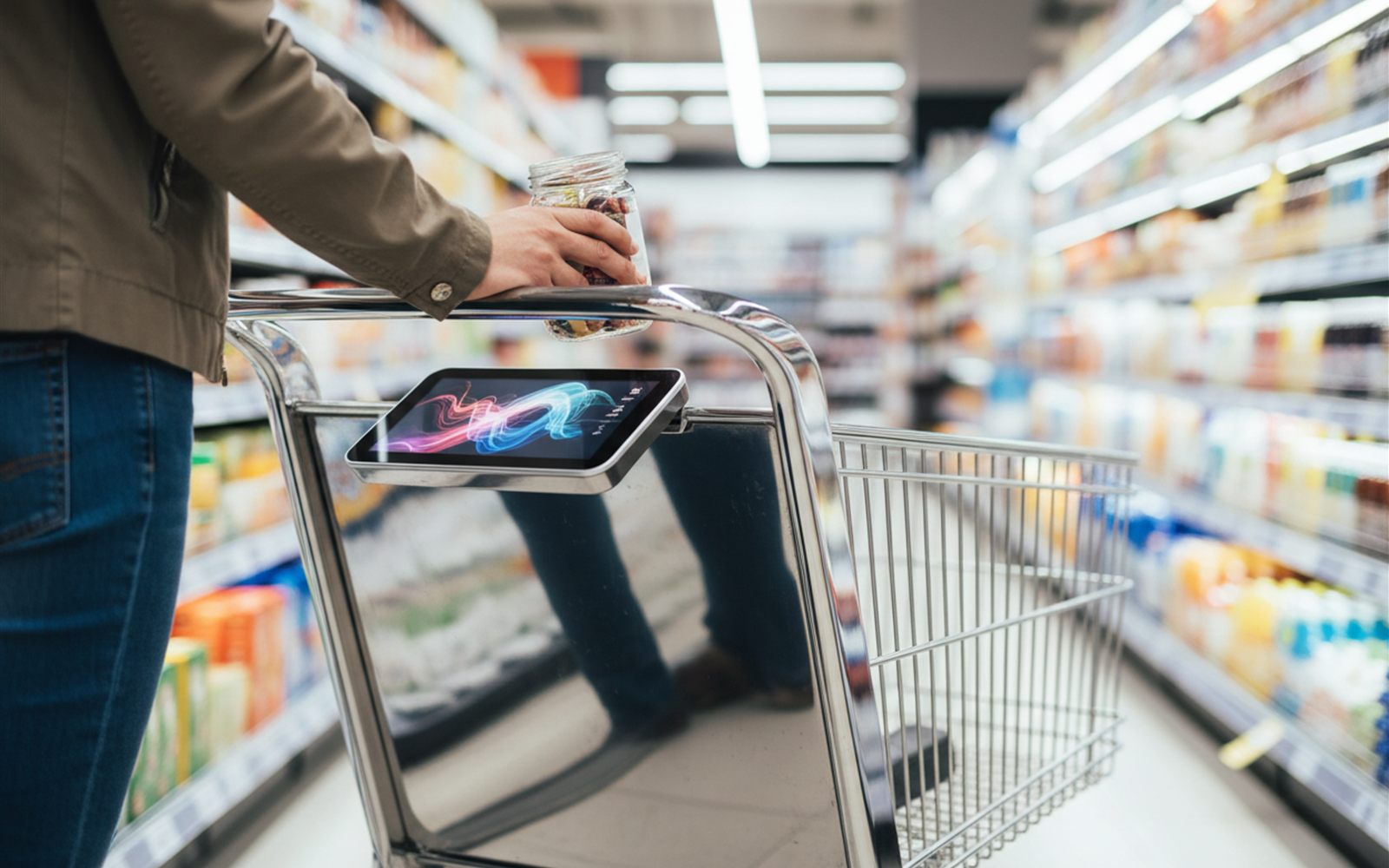
You drop a jar of salsa into the cart and a screen on the handle rings it up before the jar settles. When the cart is full, you tap pay and roll straight past the registers. In a growing list of American grocery stores, that is simply how shopping works now.
In June, Instacart and Weis Markets launched AI powered Caper Carts at Weis stores in Pennsylvania, with more locations planned through the year. Instacart says its smart carts are now live with more than ten retail chains, part of a connected store platform deployed in over 100 cities across 15 states.
Amazon is pushing the same idea through Whole Foods. Its newest Dash Cart, 25 percent lighter with a 40 percent bigger basket, is headed to more than 25 Whole Foods stores by the end of 2026, starting with locations in McKinney, Texas; Reston, Virginia; and Westford, Massachusetts. Amazon says the carts will eventually reach all of its US Amazon Fresh stores too.
The cart is Amazon’s main bet after it pulled its Just Walk Out cashierless system from most large grocery stores in 2024. Carts turned out to be the cheaper fix, because a store does not need ceiling cameras and a remodel, just new hardware on wheels.
Cameras and a certified scale inside the basket recognize each item the moment you drop it in, the way a cashier would, just instantly. A touchscreen near the handle keeps a running total, surfaces deals, and takes your payment right on the cart. Think of it as a self checkout that happens while you shop instead of after.
Here is the whole trip. You grab a cart from the corral like always, except this one has a screen where the cup holder folds, and it wakes up when you touch it. Sign in with the Instacart app for your loyalty deals and list, or just shop as a guest. Then you shop like a normal person: pick up the salsa, drop it in, hear the soft chime, watch the total tick up.
Produce, the classic self checkout nightmare, is the surprise winner. The basket itself is a certified scale, so you set the bananas in, tap bananas on the screen, and the cart weighs and prices them on the spot. No sticker codes, no walk of shame to the one working scale.
As you roll, the screen earns its keep. Pass the coffee aisle and a coupon for the brand you actually buy pops up to be clipped with one tap. The cart tracks your list, suggests the aisle for the next item, and on Caper Carts it will even run little quest style games retailers use to hand out extra savings, which kids treat as the best part of the errand. Instacart has also added a tool that lets SNAP shoppers track those benefits as they go, Grocery Dive reported, which turns the running total into a genuine budgeting device.
Then the finish: tap pay, confirm on the screen, and push the cart straight to your trunk while the receipt lands in your email. The first time you roll past a six person line, you understand why stores keep buying these.
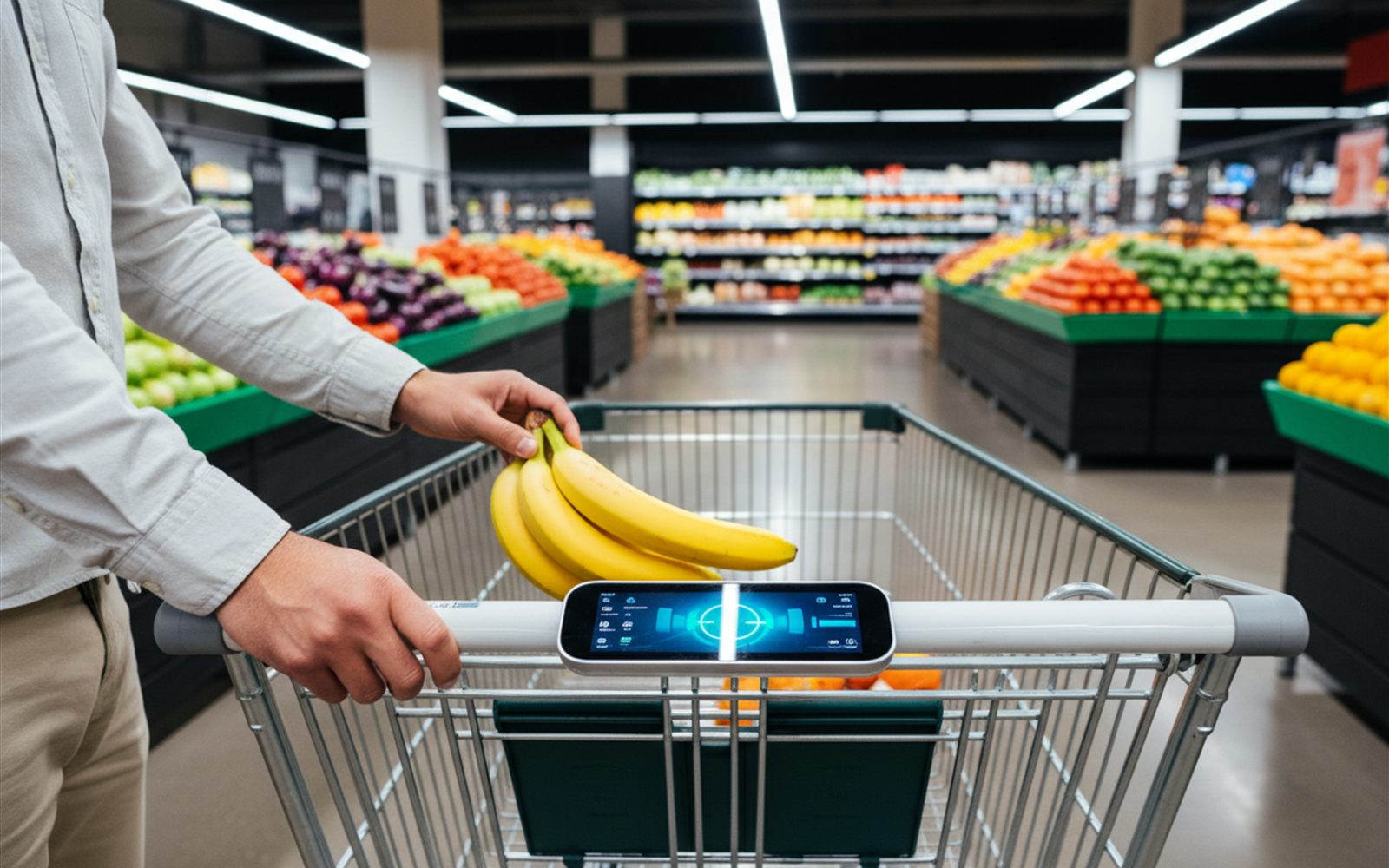
The running total ends grocery bill surprise. You watch the number climb in real time, which beats doing nervous mental math in aisle seven and being wrong at the register.
Savings find you instead of hiding. Caper Carts pop up digital coupons as you shop, and Instacart says its location aware deal prompts lift the average basket about 1 percent, which tells you people actually use them. Both systems also tie into loyalty accounts and shopping lists, so the cart can point you toward the aisle you actually need next.
And the part everyone loves most: when you are done, you are done. No line, no unloading onto a belt, no bagging area drama.
This is no longer a two store experiment. Beyond the Weis launch, Instacart’s Caper Carts run in stores across 15 states, and the same hardware is spreading abroad, with Coles rolling them in Australia, Aldi’s southern group in Austria, and UK grocer Morrisons switching on its first carts this year, trade coverage from Grocery Dive and Retail Dive shows. Amazon’s Dash Carts, meanwhile, anchor the Whole Foods and Amazon Fresh side of the map. If your town has a large chain grocer, odds are decent one of these programs reaches it before the decade turns.
Smart carts live in a limited set of stores so far, so your chain and your specific location may not have them yet. Weighing loose produce takes an extra tap or two. Occasionally the cameras misread an item and ask you to rescan, a gripe that shows up in most hands on reviews, including a pointed one at Retail TouchPoints. The carts are also covered in cameras and sensors, which some shoppers find a little uncomfortable, and the screens double as advertising space, because ads are part of how retailers pay for all this.
There is a bigger question rolling behind the convenience: what happens to checkout jobs. Grocers pitch the carts as freeing staff for the floor rather than cutting heads, and cashiers have hardly vanished, but every shopper who pays on the cart is one fewer reason to staff a lane. It is worth being honest that the smoothest shopping trip of your week is also a quiet labor story.
By the end of 2026, Amazon plans dozens of Dash Cart equipped Whole Foods stores, and Instacart is expanding Caper Carts across more Weis locations and other chains through the year. Trade publications Progressive Grocer and Retail Dive have tracked both rollouts speeding up since spring, after years of pilots. The errand itself is being rebuilt from both ends, with drones dropping the forgotten ingredient at your door and carts that ring themselves up for everything else.
The checkout line is not disappearing everywhere overnight. It is being replaced one cart at a time.
Meta's new $299 frames and its display glasses turned a nerdy experiment into the gadget of the year.
After a decade of promises, solid state cells are shipping in a real vehicle, with earbuds and cars next in line.
EarFun's Clip 2 puts live translation in 100 languages on your ears without a triple digit price.