Why Everyone Is Suddenly Wearing AI Smart Glasses
Meta's new $299 frames and its display glasses turned a nerdy experiment into the gadget of the year.
The first sodium ion power banks charge in bitter cold, survive thousands of cycles, and dodge lithium entirely.
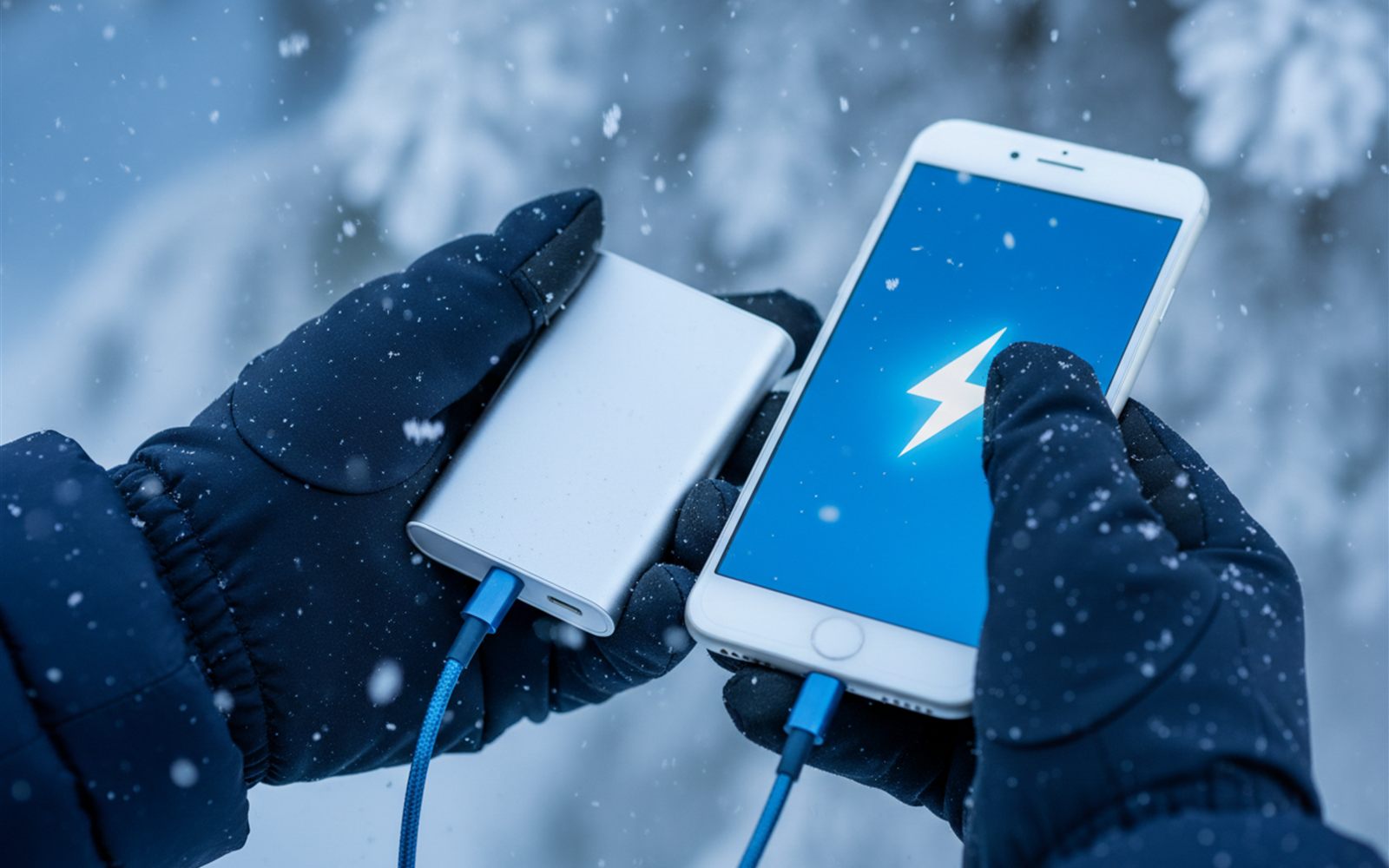
Leave a lithium power bank in a frozen car overnight and it sulks, charging slowly or refusing outright. A new kind of battery does not care. Its key ingredient is sodium, the same element that puts the salt in table salt.
Japanese accessory maker Elecom released the world’s first sodium ion power bank, called the Na Plus, and it quietly rewrites the spec sheet. It holds 9,000 mAh, pushes 45 watts through USB C and 18 watts through USB A, and costs about $67 in Japan. The headline numbers, reported by New Atlas and PCWorld, are wilder. It is rated for roughly 5,000 charge cycles, about ten times what typical lithium ion cells manage, and it keeps working from minus 35 to 50 degrees Celsius. Charge it every single day and that cycle rating works out to more than a decade of service.
The idea is spreading fast. Bluetti followed with the first sodium ion portable power station, pitched at campers and cold climates precisely because it can charge your gear in extreme cold, as TechRadar reported.
Inside, sodium ions shuttle between two electrodes exactly the way lithium ions do. Same dance, different partner. The difference is that sodium is absurdly abundant, found everywhere from soda ash to seawater, with no scarce cobalt required. The chemistry is also more stable when things get hot, which means less fire risk, and it keeps moving in cold that makes lithium seize up. The supply story is simpler too, since the raw ingredients come from common salts rather than a handful of contested lithium deposits, so price shocks have little to grab onto.
The first thing hands on coverage mentions is heft, so let us get it out of the way. Digitec, the European outlet that examined the Na Plus early, lists it at about 350 grams and roughly 106 by 87 by 31 millimeters, closer to a bar of soap than a chocolate bar, and around a third heavier than lithium banks of similar capacity. Everything else about owning it is boringly normal. It refills itself in about two hours, small lights show the charge level, and the USB C port pushes a respectable 45 watts into a phone or laptop.
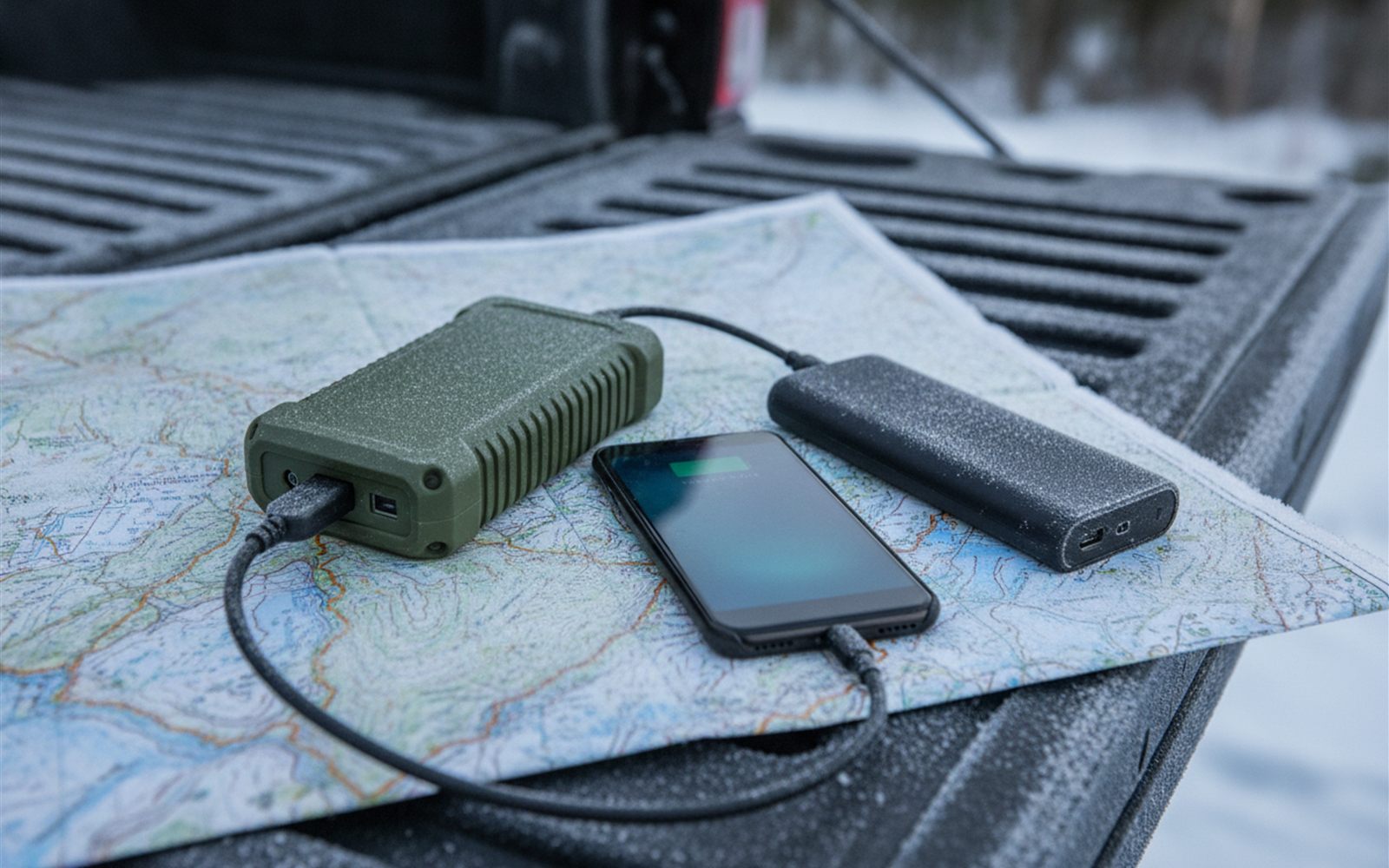
The personality shows up on the worst mornings. A lithium bank that spent a January night in a glovebox wakes up sluggish or not at all. The sodium one is rated to keep working down to minus 35 degrees Celsius, which is not ski trip cold, it is Fairbanks in a bad week cold. Owners are not buying a nicer battery. They are buying the one that still says yes when everything else in the car has quit.
Winter stops being a battery problem. Ski trips, early tailgates, deliveries, a phone left in the glovebox overnight, a sodium bank shrugs at all of it.
One purchase can outlast several phones. A 5,000 cycle battery is a decade long companion instead of a yearly replacement, which is why European tech outlet Digitec framed it as the power bank that can last 13 years.
The chemistry is calmer. Sodium cells are far less prone to the overheating failures that make airlines nervous about lithium batteries.
Here is the paradox worth repeating at dinner: sodium is far cheaper than lithium as an ingredient, yet the sodium gadget costs more. Early prices are set by factories, not raw materials, and lithium has a 30 year factory head start.
| The pick | Chemistry | Price today | The honest tradeoff |
|---|---|---|---|
| Elecom Na Plus, 9,000 mAh | Sodium | About $67 | Chunkier, but shrugs at deep cold and lasts around 5,000 cycles |
| Anker PowerCore, 10,000 mAh | Lithium | About $25 | Light and cheap, with an ordinary few hundred cycle lifespan |
| Bluetti sodium power station | Sodium | Premium, sized for camping | Recharges gear in cold that sidelines lithium stations |
The split is simple. If your power bank lives in a warm bag and gets replaced whenever it fades, the $25 lithium standby remains the sensible buy. If yours lives in a truck, a ski jacket, or an emergency kit, the sodium premium buys the two things lithium cannot offer at any price: cold indifference and a decade of cycles.
Sodium stores less energy per gram, so the Na Plus is chunkier than a lithium bank of the same capacity, and 9,000 mAh is modest, roughly two phone refills. The price per charge is also not a bargain yet, since $67 buys a larger lithium bank today. And Elecom launched in Japan first, in limited quantities, so getting one elsewhere takes importing patience. None of this makes your current bank obsolete. Sodium wins on lifespan, safety, and temperature, not on size or weight, at least for now.
The power bank is the small ripple of a much larger wave. In February 2026, the Changan Nevo A06, the world’s first mass produced sodium ion passenger car, began reaching Chinese dealerships with battery giant CATL’s Naxtra cells inside, as EV outlet CnEVPost reported. CATL says the Naxtra platform runs from minus 40 to plus 70 degrees Celsius and targets more than 10,000 charge cycles, and the company expects 2026 to bring large scale sodium adoption across cars, commercial vehicles, and home energy storage.
The money is following. Precedence Research sizes the sodium ion battery market at about $1.39 billion in 2025 and projects roughly $6.83 billion by 2034, while analysts at Northeast Securities call 2026 the validation year, with sodium expected to reach cost parity with mainstream lithium cells between late 2026 and 2027. Once that crossover lands, cheap, cold proof, long lived chemistry has a way of ending up in everything. And while chemists fix the battery itself, another camp is working on making the charge fly through the air to meet it.
The next battery breakthrough is not exotic at all. It is salt, and it is already for sale.
Meta's new $299 frames and its display glasses turned a nerdy experiment into the gadget of the year.
After a decade of promises, solid state cells are shipping in a real vehicle, with earbuds and cars next in line.
EarFun's Clip 2 puts live translation in 100 languages on your ears without a triple digit price.