We Checked the Dishwasher Tablet Oven Door Trick Everyone Is Filming
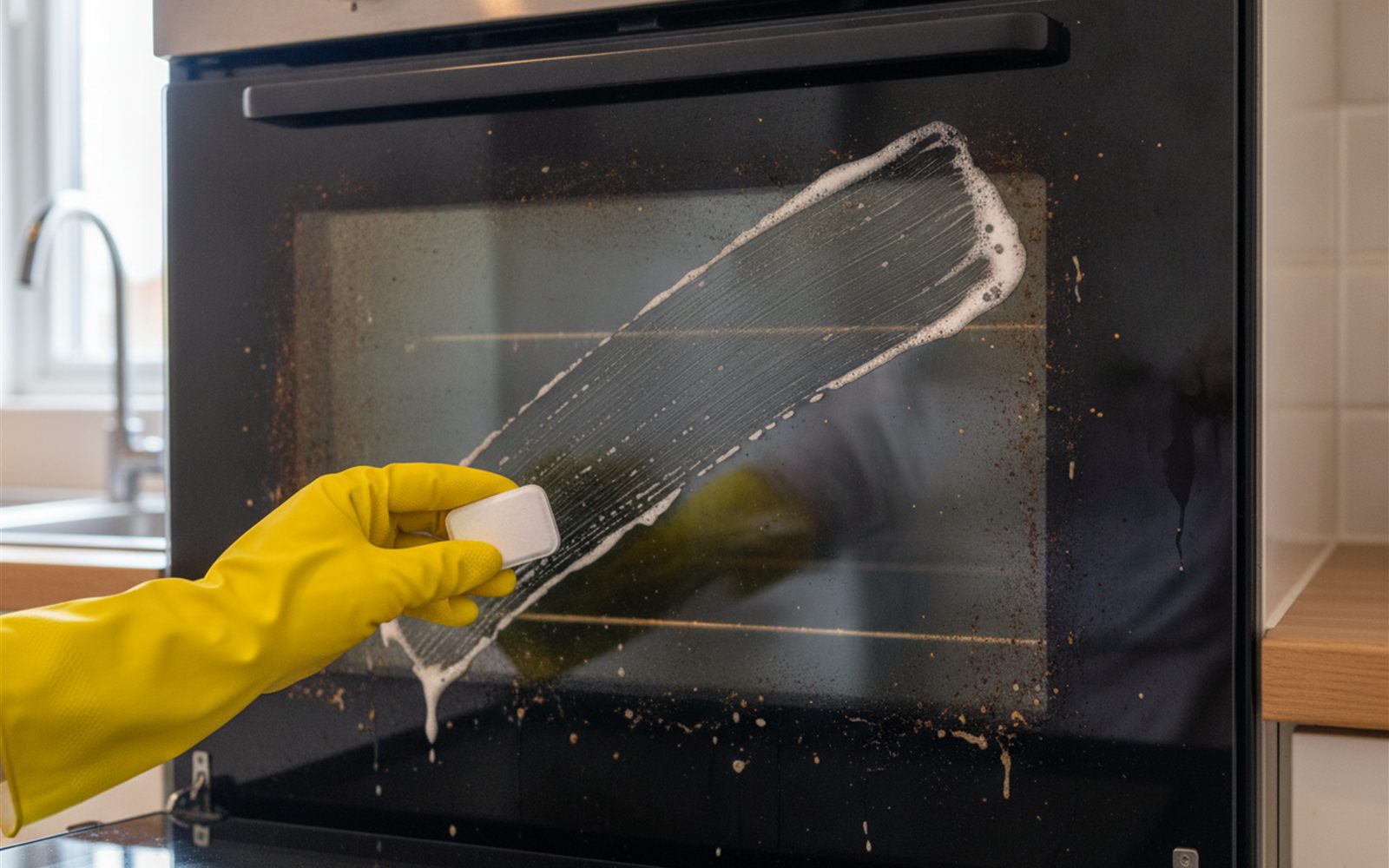
The viral scrub really can clear years of baked on grime, if you follow one temperature rule.
The banging is real and so is the fluff, and wool dryer balls change the math.
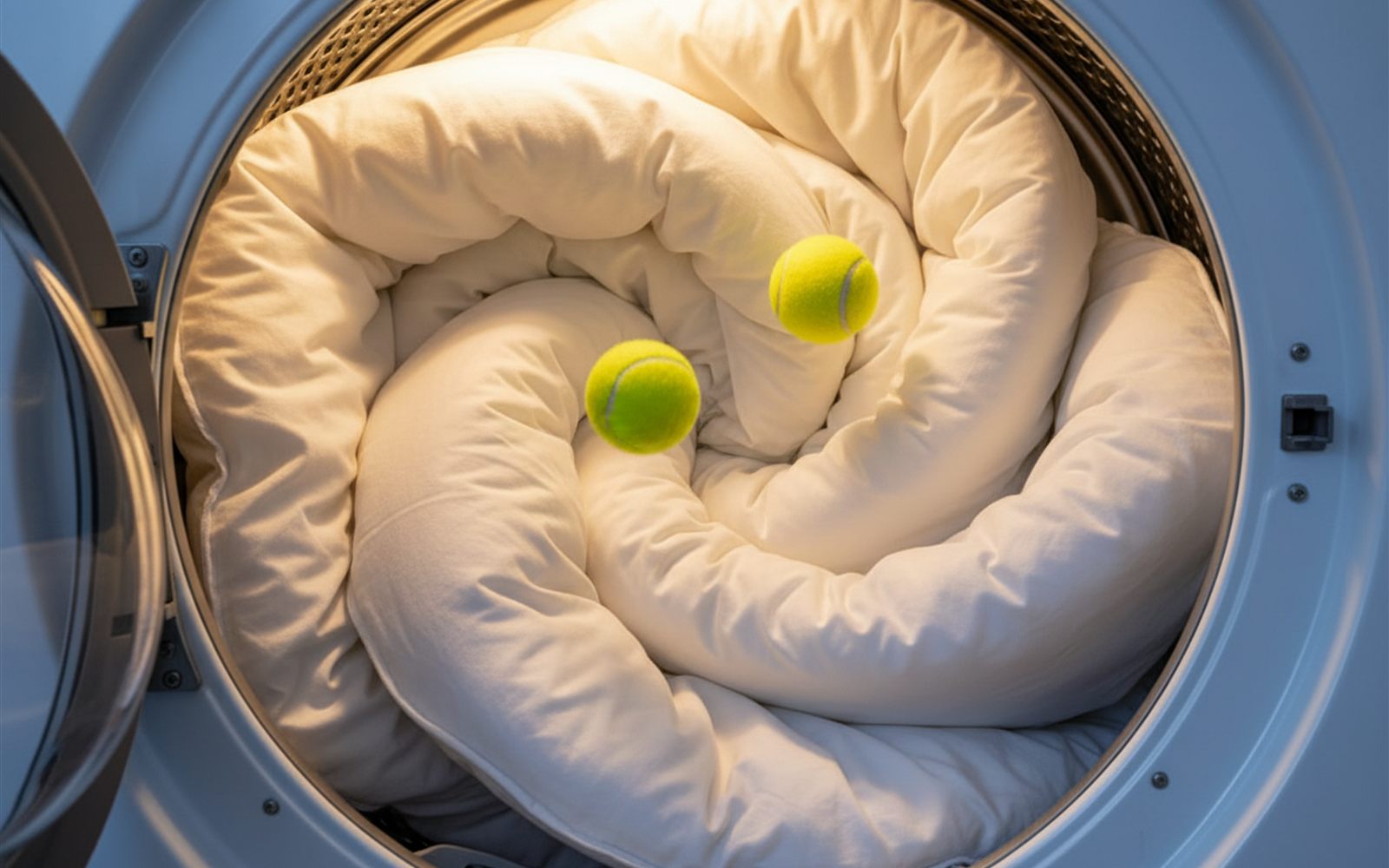
Laundry folklore says tossing a couple of tennis balls in with your comforter turns flat pillows and clumpy bedding fluffy again. It also turns your laundry room into a drum solo. We sorted out whether the fluff is real and whether the racket is worth it.
This one predates the algorithm. Laundromat regulars have passed it down for decades, and plenty of care writeups for down jackets and comforters still suggest it. Laundry experts at Homes and Gardens and a wave of cleaning sites have since run the comparison against purpose made wool dryer balls, which is where the story gets interesting.
Wet fill is the enemy. When down or synthetic stuffing gets soaked, it mats into dense clumps, and hot air mostly dries the outside of each clump while the middle stays damp. Tennis balls fix that mechanically: they tumble, strike the bedding over and over, break the clumps apart, and lift the layers so hot air reaches the center. The balls beat the clumps apart so the air can finish the job. The result is fill that dries evenly and lofts back up instead of drying into lumps.
The balls matter most when the fill is down. Wet down collapses into dense wads that cling to themselves, and a clump that dries damp in the middle is not just flat, it is a mildew risk that can leave a comforter smelling musty for good. That is why down care guides are so insistent on low heat, long cycles, and something tumbling in the drum. Down also punishes shortcuts hardest: high heat can scorch the delicate clusters that do the insulating.
Synthetic fill is the forgiving sibling. Polyester clusters hold less water, dry faster, and mostly need the balls to prevent lumps rather than rescue the whole blanket. If your comforter’s tag says polyester and you skip the balls entirely, you will likely get away with it. Skip them on down and you can feel the difference in every corner.
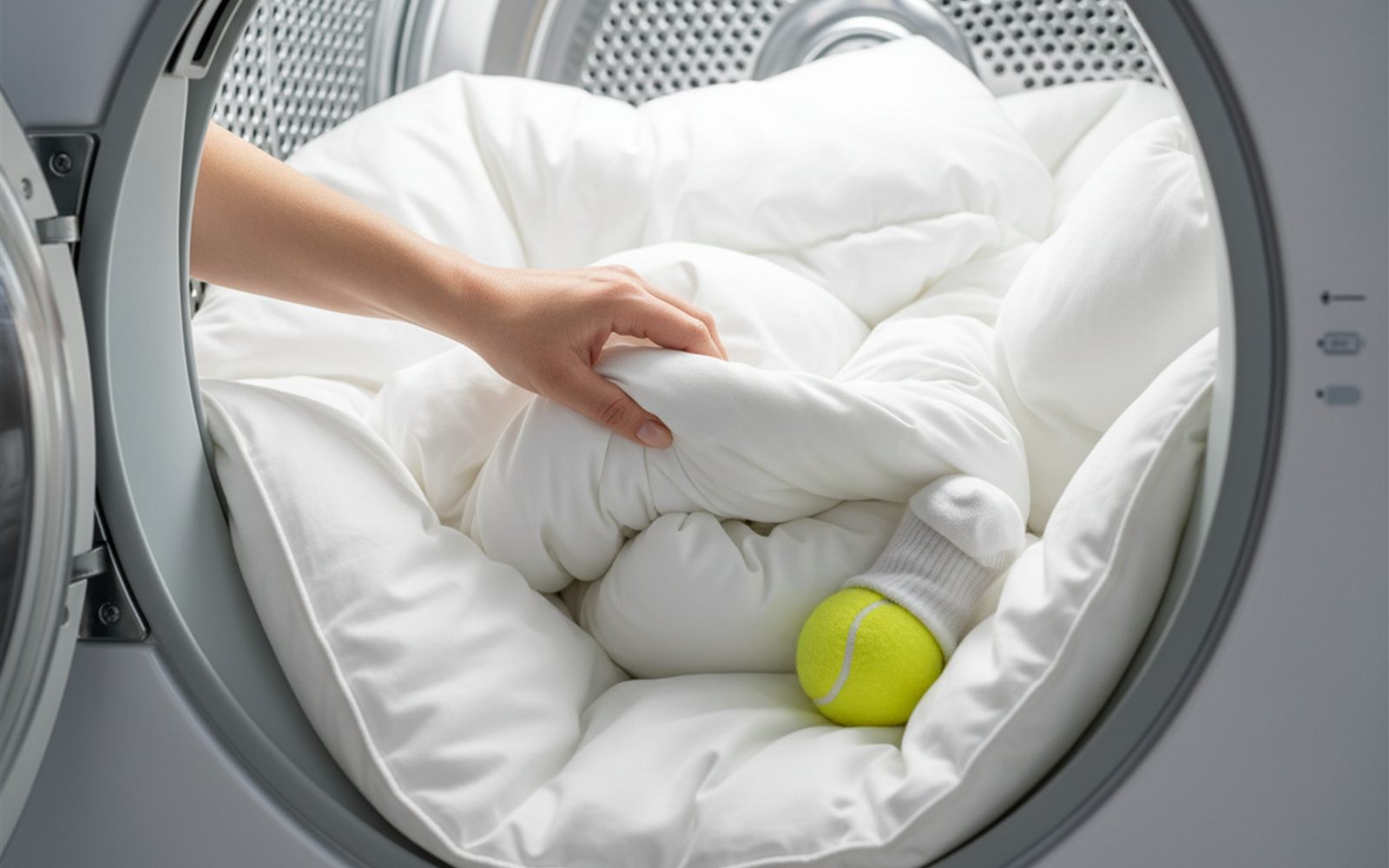
Works with caveats. The fluffing is real, and for a comforter or a puffy jacket the balls genuinely help prevent the dreaded lumpy corners. The caveats are practical. The banging is loud enough to end the experiment in some households. Fresh neon balls can transfer a whisper of dye to pale fabric, so use clean older balls or slip each one into a white sock. On high heat, warm rubber can leave a faint smell. Wool dryer balls do the same job more quietly, and some laundry pros estimate they trim drying time by 15 to 25 percent.
The complaints about tennis balls are not fussiness, they are physics. A tennis ball is a hollow rubber shell built for pavement, so every strike against a metal drum is a small drum hit, sixty minutes at a time. Heat is the other issue: tennis balls were never designed for a hot tumble, and on high settings warm rubber announces itself. Some laundry writers go further and warn that repeated hot cycles age the rubber and can shed material as the felt and shell degrade, which is part of why the laundry world drifted to wool.
Wool balls sidestep all of it. They are solid felted wool, so they land with a thud instead of a bang, they carry no dye or rubber to transfer, and they quietly absorb moisture from the load while they work. Same mechanism, none of the side effects.
The tennis ball version is usually free, because the balls are already in the garage, and free is a fine price for an experiment. The upgrade is cheap too: a six pack of wool dryer balls from a maker like Smart Sheep runs about $20, and the company rates them for over a thousand loads. Spread across years of laundry, that is pennies per cycle for a quieter drum, no dye risk, and the 15 to 25 percent drying time savings laundry pros report, which quietly pays you back in electricity. If the dryer balls also retire your dryer sheet habit, they eventually cost less than free.
Before: a comforter with all of its stuffing socked into one sad corner.
After: an evenly lofted cloud that looks like the catalog photo again.
Opinions split cleanly. Fans say pillows and down jackets come out noticeably fuller than with an empty drum and would never dry a comforter without them. The other camp quits over the noise; one forum user summed up the racket by calling it “a very short experiment.” The compromise position keeps winning converts: wool balls for the dryer, tennis balls for the actual court.
Two more overnight resets for the bedroom:
The fluff is real, the noise is real, and the sock trick keeps the peace.
The viral scrub really can clear years of baked on grime, if you follow one temperature rule.
The viral trick promises free iron and pest control, but soil scientists say your plants never get the memo.
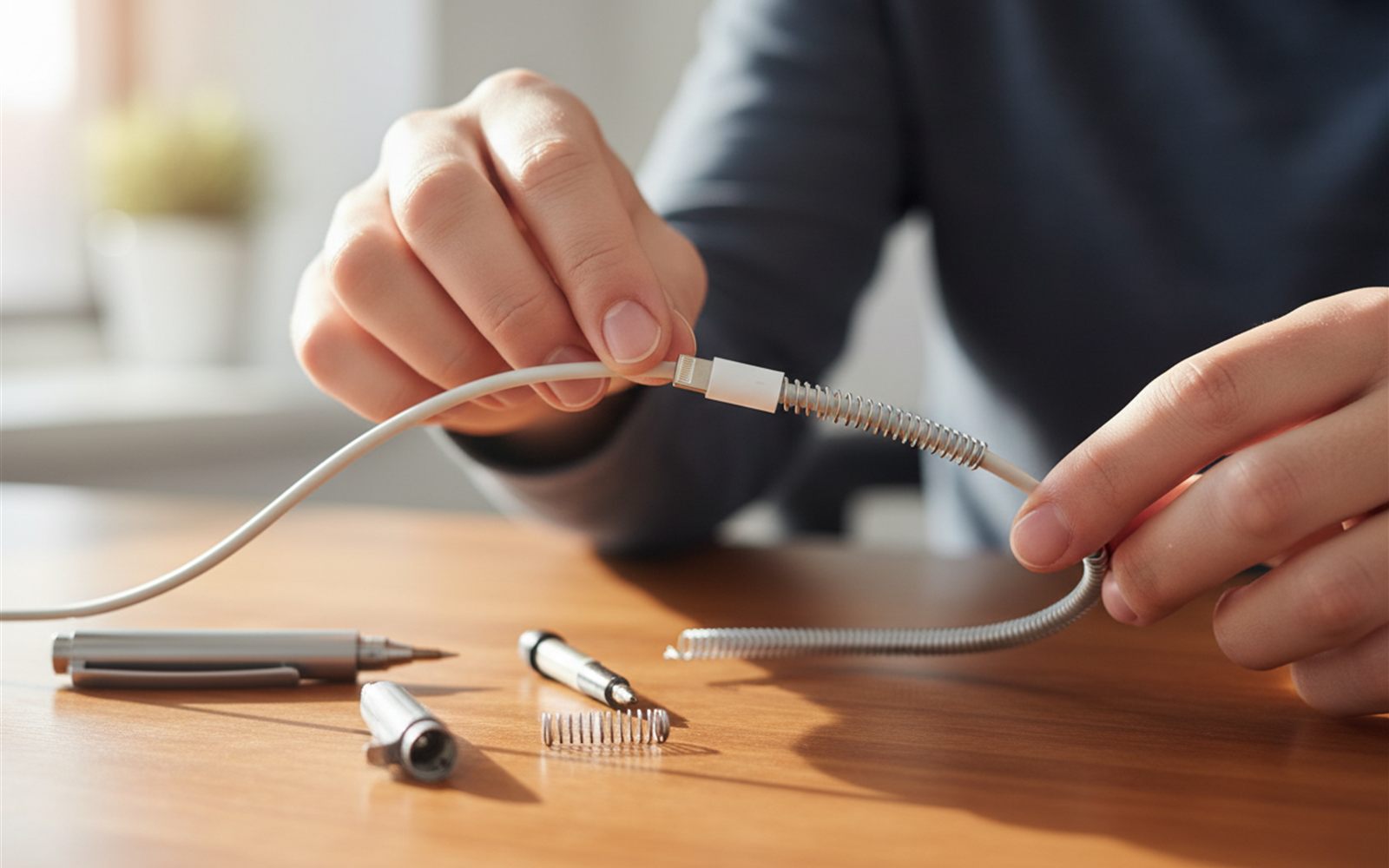
A pen spring and some heat shrink tubing keep cheap chargers alive for years, and the fix takes minutes.