We Checked the Dishwasher Tablet Oven Door Trick Everyone Is Filming
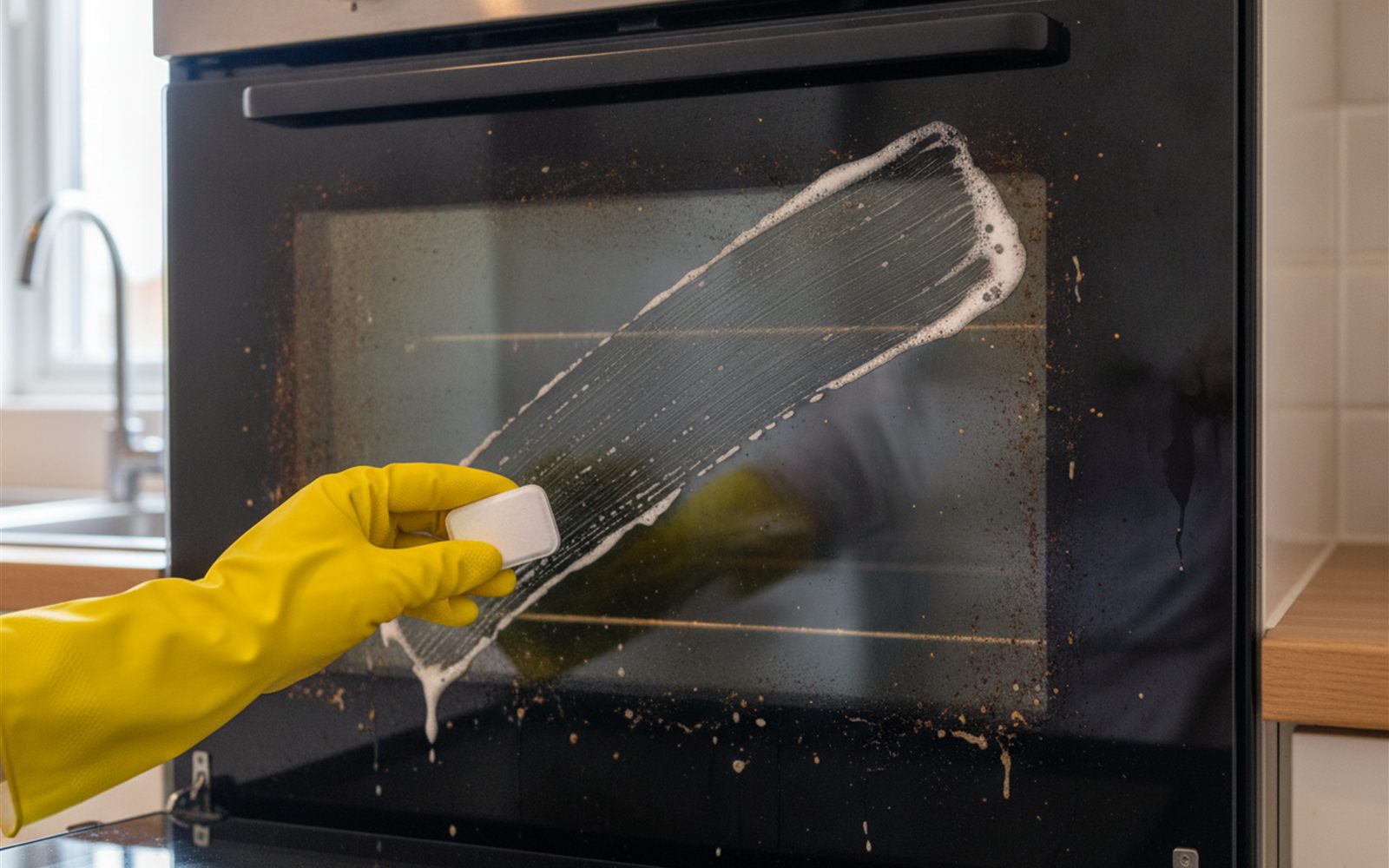
The viral scrub really can clear years of baked on grime, if you follow one temperature rule.
The viral trick promises free iron and pest control, but soil scientists say your plants never get the memo.
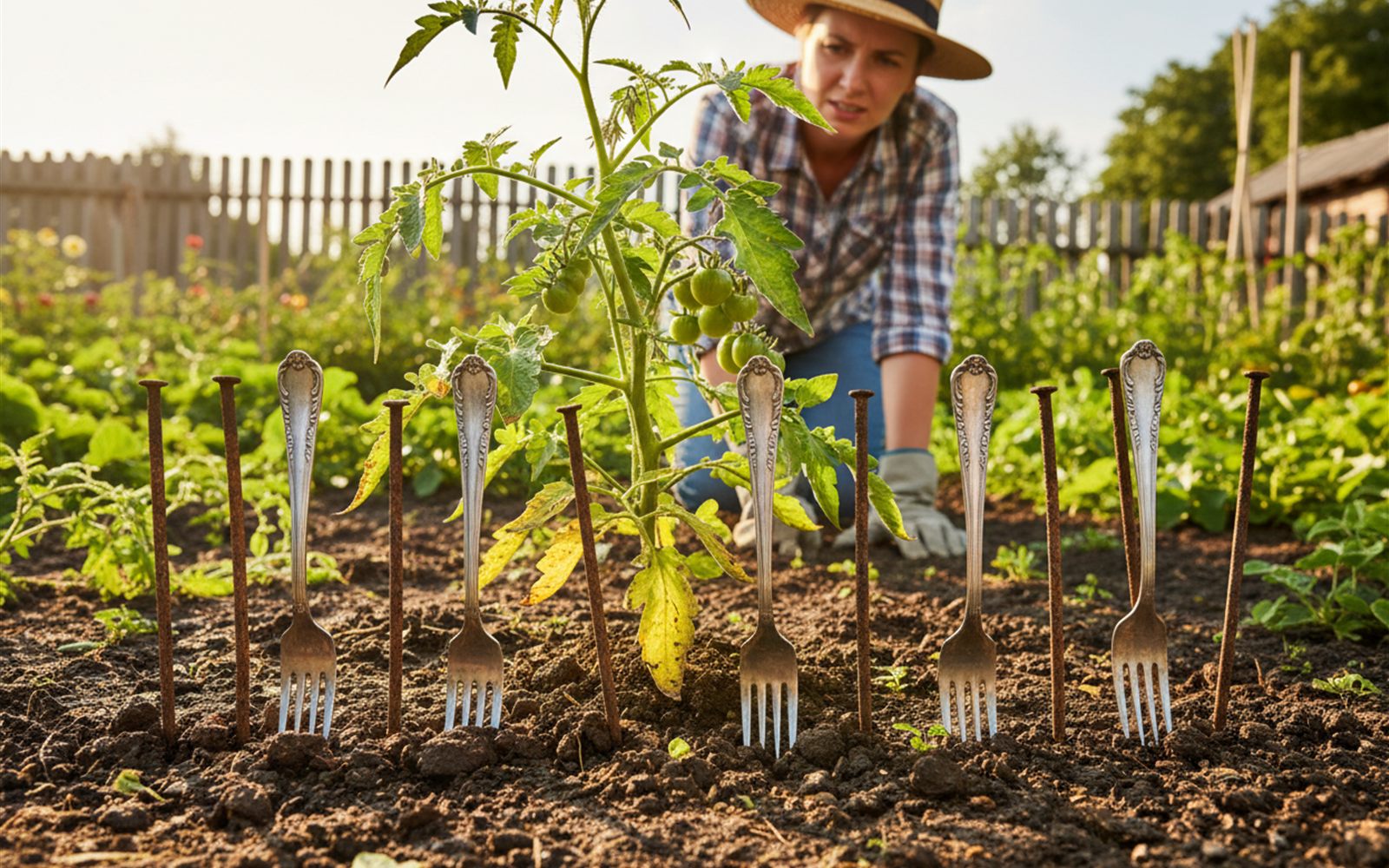
The video is always the same: someone pushes a handful of forks or rusty nails into their garden soil, and the caption promises free iron for the plants and a force field against pests. Millions of views later, we went looking for what soil scientists actually say. The short version: your tomatoes cannot eat cutlery.
The nail version is old folklore. Gardeners buried rusty nails under fruit trees and hydrangeas for generations, reasoning that rust equals iron and iron equals greener leaves. Social video revived it and added the fork twist, with tines up cutlery pitched as a pest deterrent. Even the hydrangea legend was always confused: blue blooms come from aluminum in acidic soil, not iron, as garden myth writers have pointed out for years.
This myth has survived a century of debunking because every piece of it sounds right. Rust really is iron oxide. Plants really do need iron. Each fact is true on its own, and the conclusion is still wrong, which makes it the most convincing kind of garden myth.
It spreads for three more reasons. It films beautifully, because a bed bristling with forks is a thumbnail that stops thumbs. It is free, and free advice gets tried before it gets questioned. And it benefits from a quiet illusion: most garden soil already holds plenty of iron, so the plants were going to be fine anyway, and the nails collect the credit. Garden writers who trace the legend, like the team at Epic Gardening, note that even the original hydrangea version never made chemical sense.
Rust is iron oxide, and iron oxide is essentially insoluble in soil. Plant roots can only drink nutrients that are dissolved in soil water, in specific chemical forms, and whether iron ends up in one of those forms depends mostly on soil pH, moisture, and microbes. A rusting nail releases usable iron so slowly that garden writers like the late Larry Hodgson flatly called the trick a myth, and university extension offices give the same answer. Here is the kicker: most soils already contain plenty of iron. When leaves yellow from iron chlorosis, the problem is usually that alkaline soil is locking the iron away, and adding more metal changes nothing.
Think of rust as iron in a locked vault. Soil pH is the key, and in alkaline soil the key does not turn, no matter how much metal you stack outside the door.
The pest half fares barely better. A fork sticking out of the dirt is a small physical annoyance for a digging cat or squirrel, the same as any twig. It does nothing chemical, nothing for insects, and nothing for slugs.
Skip it. There is no evidence buried metal feeds plants, and the deterrent effect is no better than free sticks from your yard. At best you have decorated your bed with tetanus hazards you will find again with a trowel.
If your leaves are yellow with green veins, here is the ladder that works, in order.
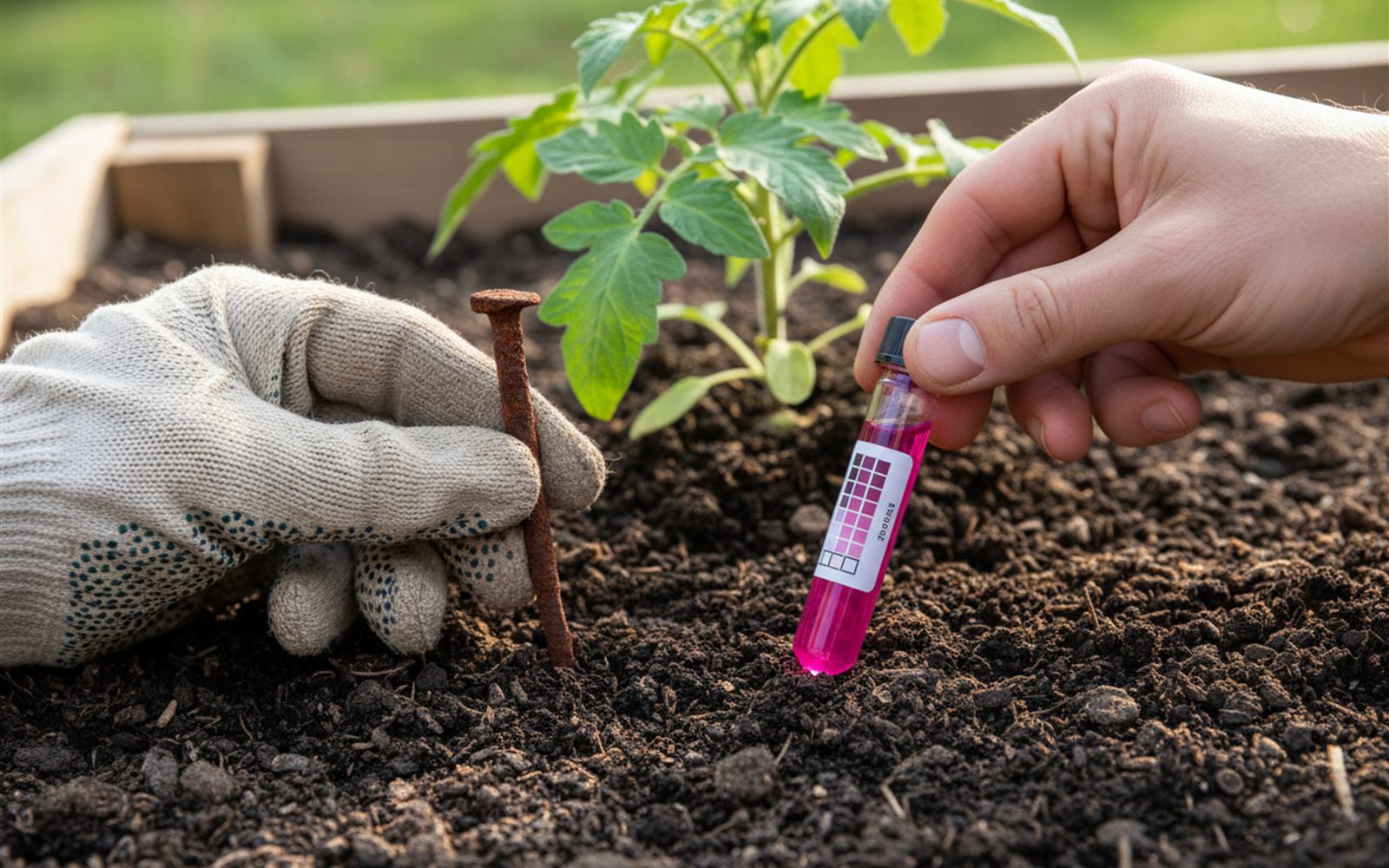
Here is the strange economics of this trick. The nails and forks cost nothing, deliver nothing, and charge you a full growing season while you wait to find out. The fix that works costs almost nothing anyway: a pH test kit runs a few dollars, and a labeled chelated iron product treats the actual problem in one application. Free that does not work is the most expensive option in the garden, because you pay in time you cannot respray.
Before: a bed full of buried hardware, the same yellow leaves, and a mystery clink every time you weed.
After: a pH test, the right iron in the right form, and leaves that green up because the roots can finally drink.
This one splits exactly the way the science predicts. Gardeners who buried nails report no visible change season after season, and extension agents say the question lands in their inbox constantly. The only fans are people using forks as a physical barrier in potted plants to stop a cat from digging, and even they admit chopsticks or twigs work just as well. Nobody credible reports greener leaves from metal.
And while we are at it, the same extension offices that bust the nail myth also flag Epsom salt as the other cure all that is not: it adds magnesium most soils do not need, and extra magnesium can crowd calcium out at the roots.
Your plants do not need silverware. They need the right pH and a ride for the iron that is already there.
The viral scrub really can clear years of baked on grime, if you follow one temperature rule.
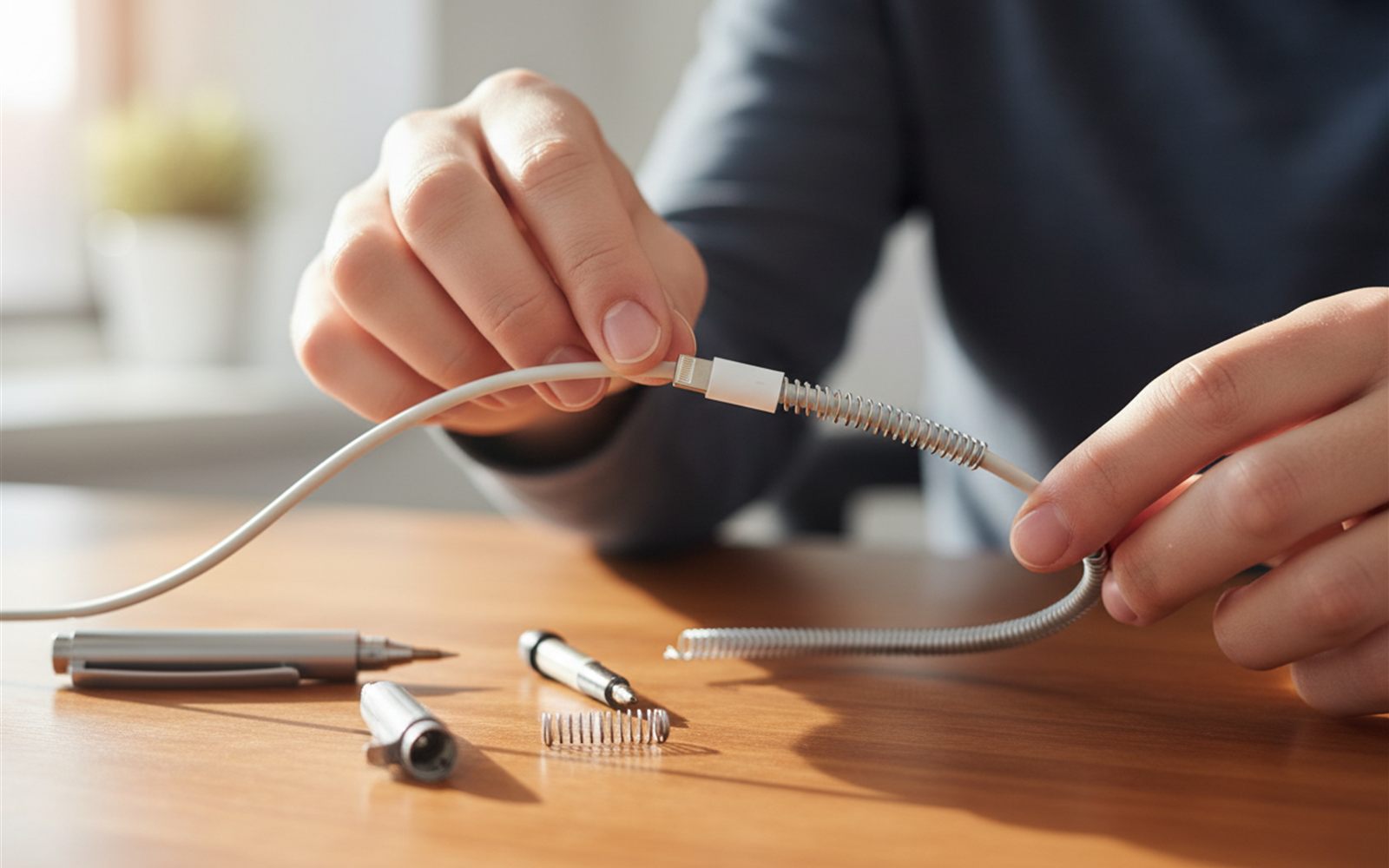
A pen spring and some heat shrink tubing keep cheap chargers alive for years, and the fix takes minutes.
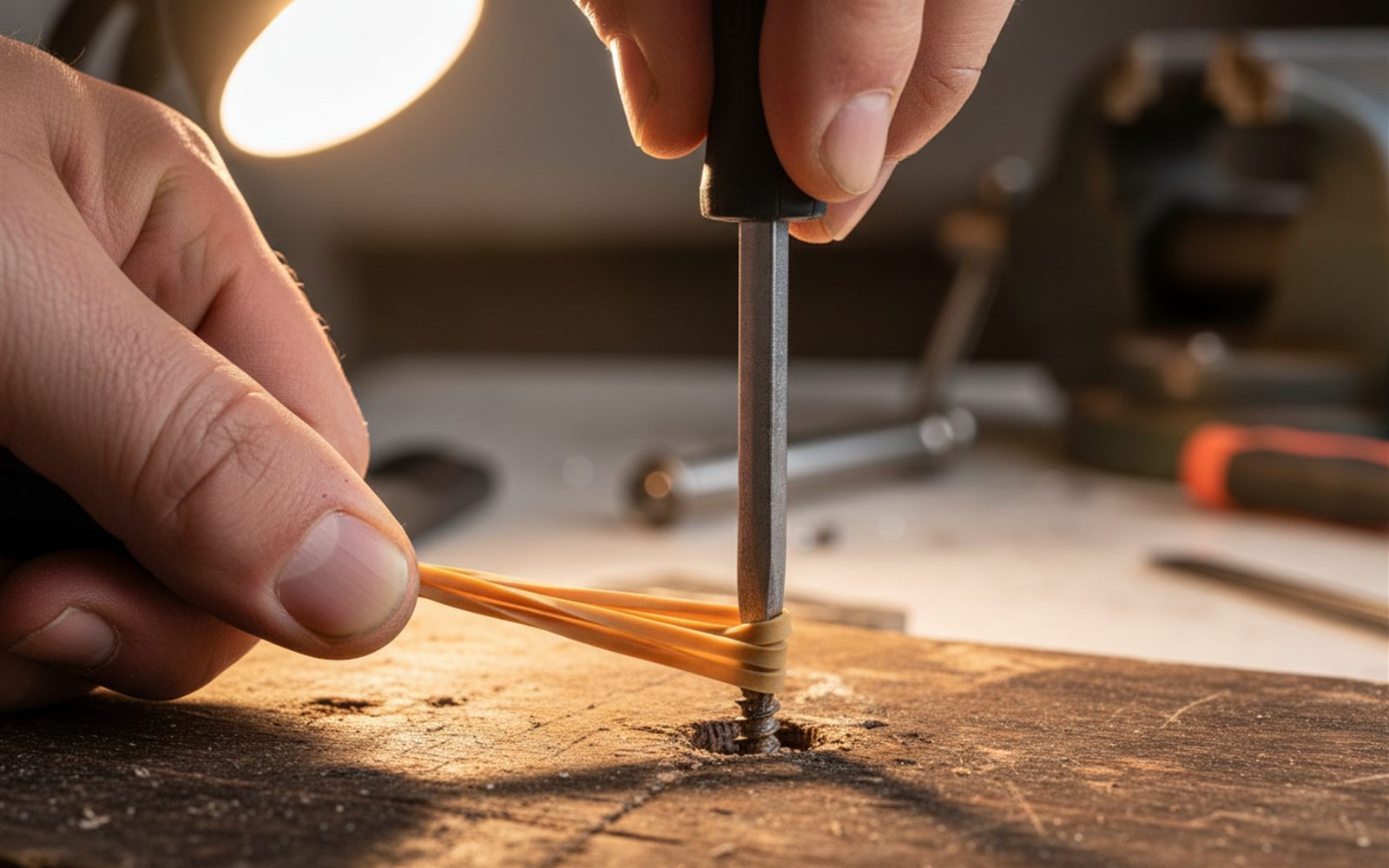
The next time a screw refuses to budge, reach for this first.