We Checked the Dishwasher Tablet Oven Door Trick Everyone Is Filming
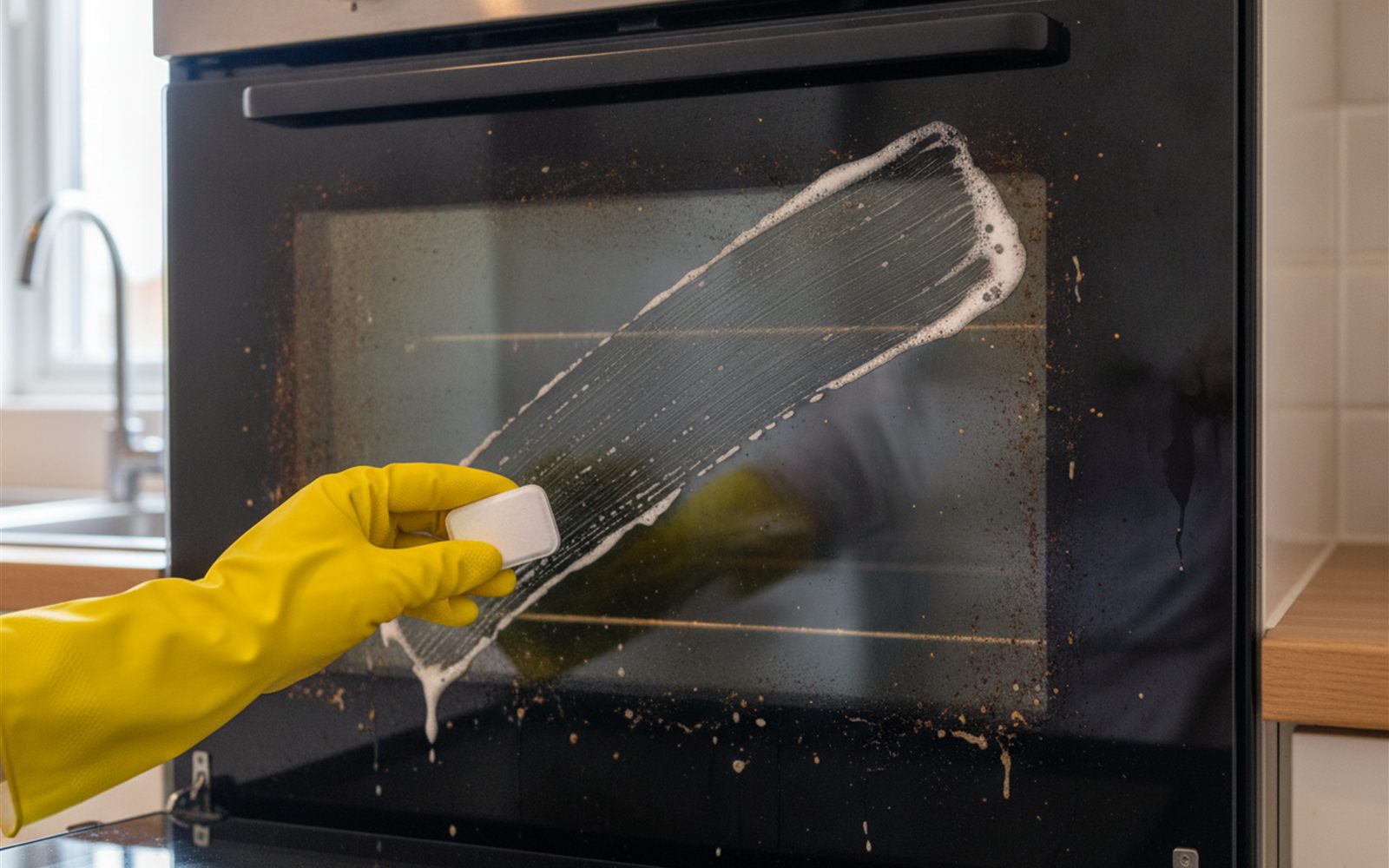
The viral scrub really can clear years of baked on grime, if you follow one temperature rule.
The next time a screw refuses to budge, reach for this first.
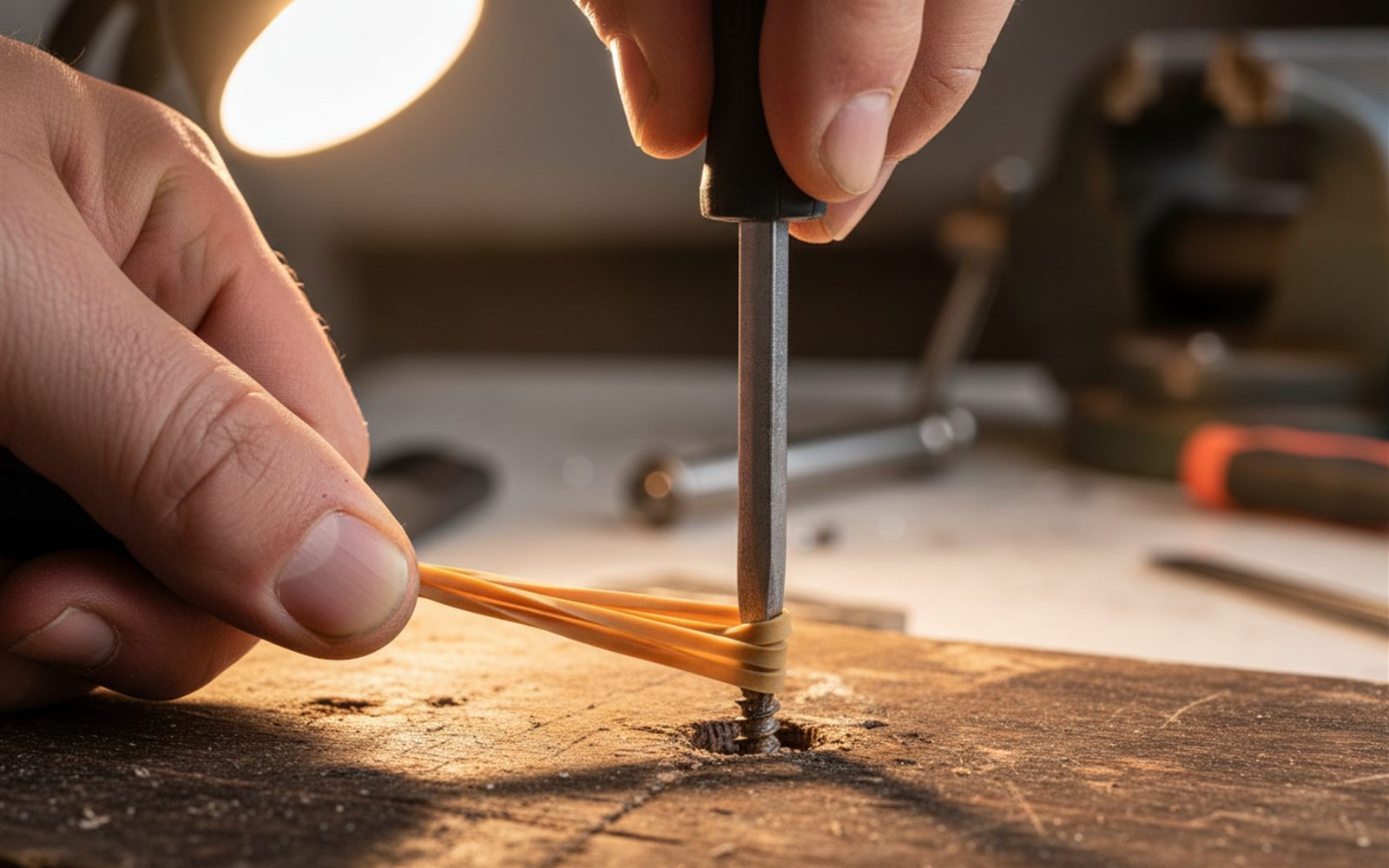
Every toolbox story ends the same way: the screwdriver spins, the screw head turns to mush, and the project stops dead. The internet’s favorite fix is a plain rubber band, so we checked whether it actually rescues a stripped screw or just wastes a rubber band.
This one has been circulating in shop classes and DIY forums for decades, and it gets a fresh viral run every year or two. Home improvement staples like Family Handyman, Bob Vila and Home Depot’s own guides all list it as the first thing to try before you reach for power tools.
A screw strips when the driver no longer has clean edges to push against, so the metal tip skates around the chewed up recess instead of turning it. That skating is called cam out, and every spin makes the damage worse.
The rubber band changes the physics. Pressed between the driver and the screw, the rubber squishes down into every remaining groove and ragged edge, filling the gaps the driver can no longer reach. Rubber also grips far better than smooth steel, so your turning force actually transfers into the screw instead of spinning past it.
Works with caveats. When the recess is chewed but not completely round, the trick genuinely works, and guides from Family Handyman and Home Depot treat it as a legitimate first move, not a gimmick. Wide, flat bands work best, and technique decides everything: hard downward pressure and a slow turn.
The caveat is that rubber cannot rescue every screw. If the head is worn to a smooth crater, there is nothing left for the rubber to bite into. Tiny screws, like the ones in laptops and eyeglasses, are also a poor fit, because the band is often thicker than the recess itself. Users on repair forums report exactly that failure, with the driver punching through the band while the screw sits still.
Before: the driver spins uselessly in a shiny, rounded crater while your palm gets sore.
After: one slow, heavy turn and the screw finally creaks loose.
The rubber band is rung one, not the whole ladder, and each next rung adds grip or grabs more metal.
Rung two is more friction in the same move. Lay a pinch of fine steel wool over the recess instead of the band, or dab in valve grinding compound, the gritty paste sold at auto parts stores for about four dollars. Family Handyman recommends both for the same reason the band works: they give the driver fresh teeth inside a smooth crater, and the compound outgrips rubber on badly rounded heads.
Rung three leaves the recess behind. Grab any exposed head with locking pliers and turn the whole screw. If nothing stands proud, cut a fresh slot across the head with a rotary tool cutting wheel and back it out with your widest flathead, another Family Handyman standard.
The last rung is the screw extractor kit, which costs about ten dollars and drills into the head to back it out. It almost always wins, which is exactly why it should go last: every earlier rung is faster, cheaper and less likely to leave metal shavings in your project.
The consensus across DIY threads is that it works often enough to always try first, since it takes thirty seconds and costs nothing. The success stories cluster around midsize household screws with some slot geometry left.
The complaints cluster where you would expect, tiny electronics screws and heads that were already polished smooth before the band came out. Repair techs add a prevention tip: use the right size bit and push harder than feels necessary, because most stripping happens before you notice it, and in hardwood a drilled pilot hole spares the screw head the fight.
Two more everyday objects doing hero work:
Keep one fat rubber band in the junk drawer, because the thirty second fix is the one you will actually try.
The viral scrub really can clear years of baked on grime, if you follow one temperature rule.
The viral trick promises free iron and pest control, but soil scientists say your plants never get the memo.
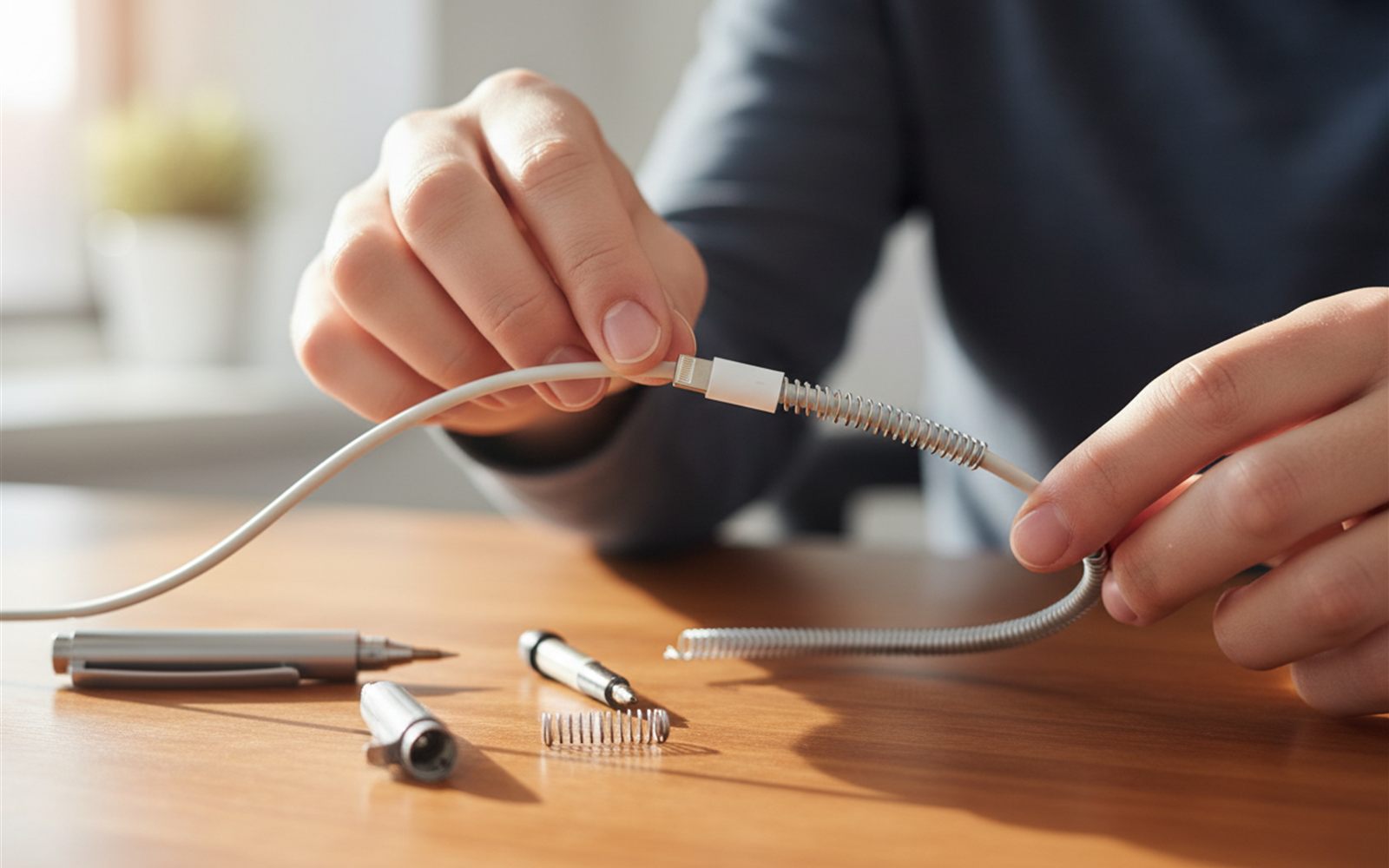
A pen spring and some heat shrink tubing keep cheap chargers alive for years, and the fix takes minutes.