We Checked the Dishwasher Tablet Oven Door Trick Everyone Is Filming
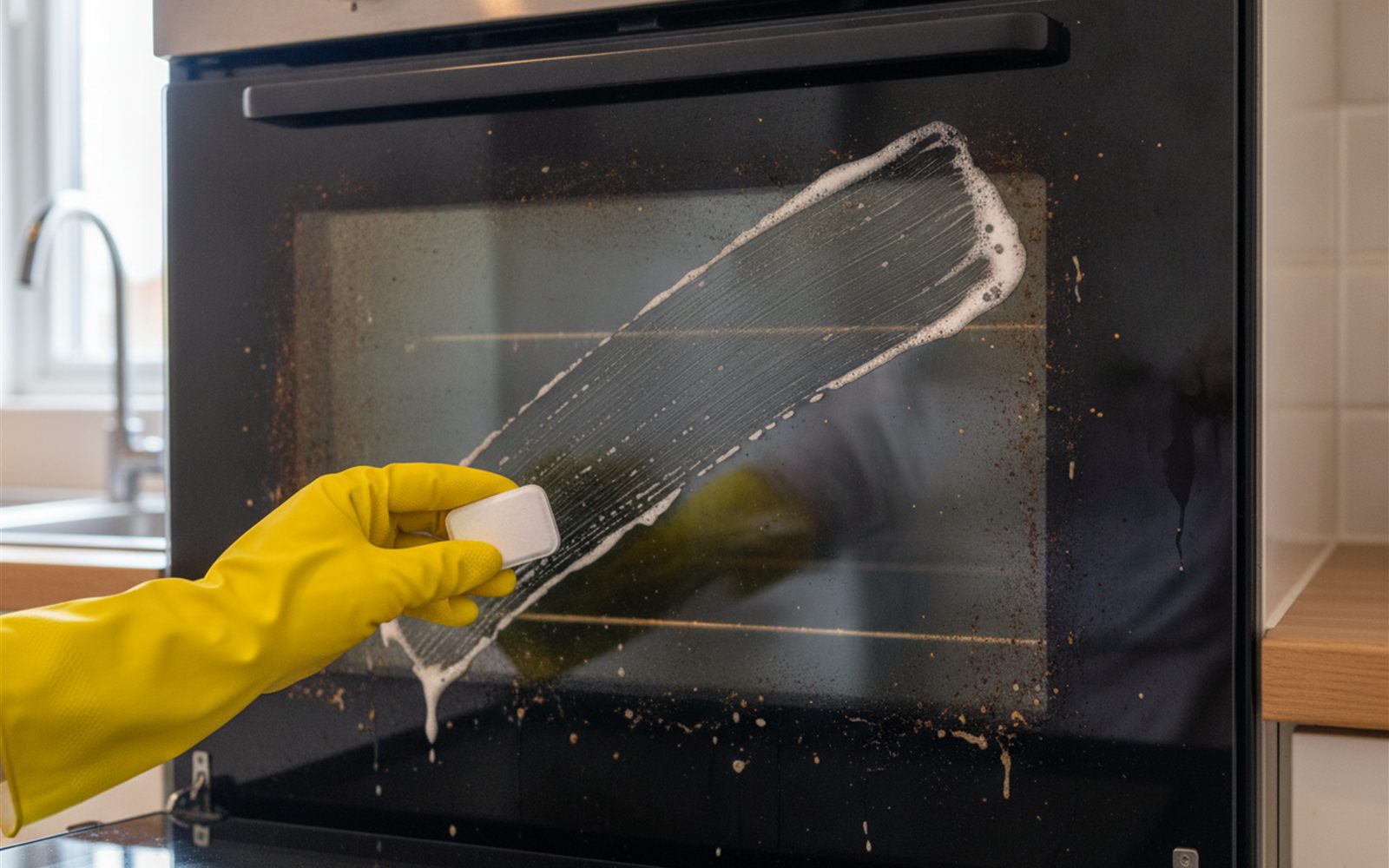
The viral scrub really can clear years of baked on grime, if you follow one temperature rule.
The old kitchen trick has a simple bit of science behind it.
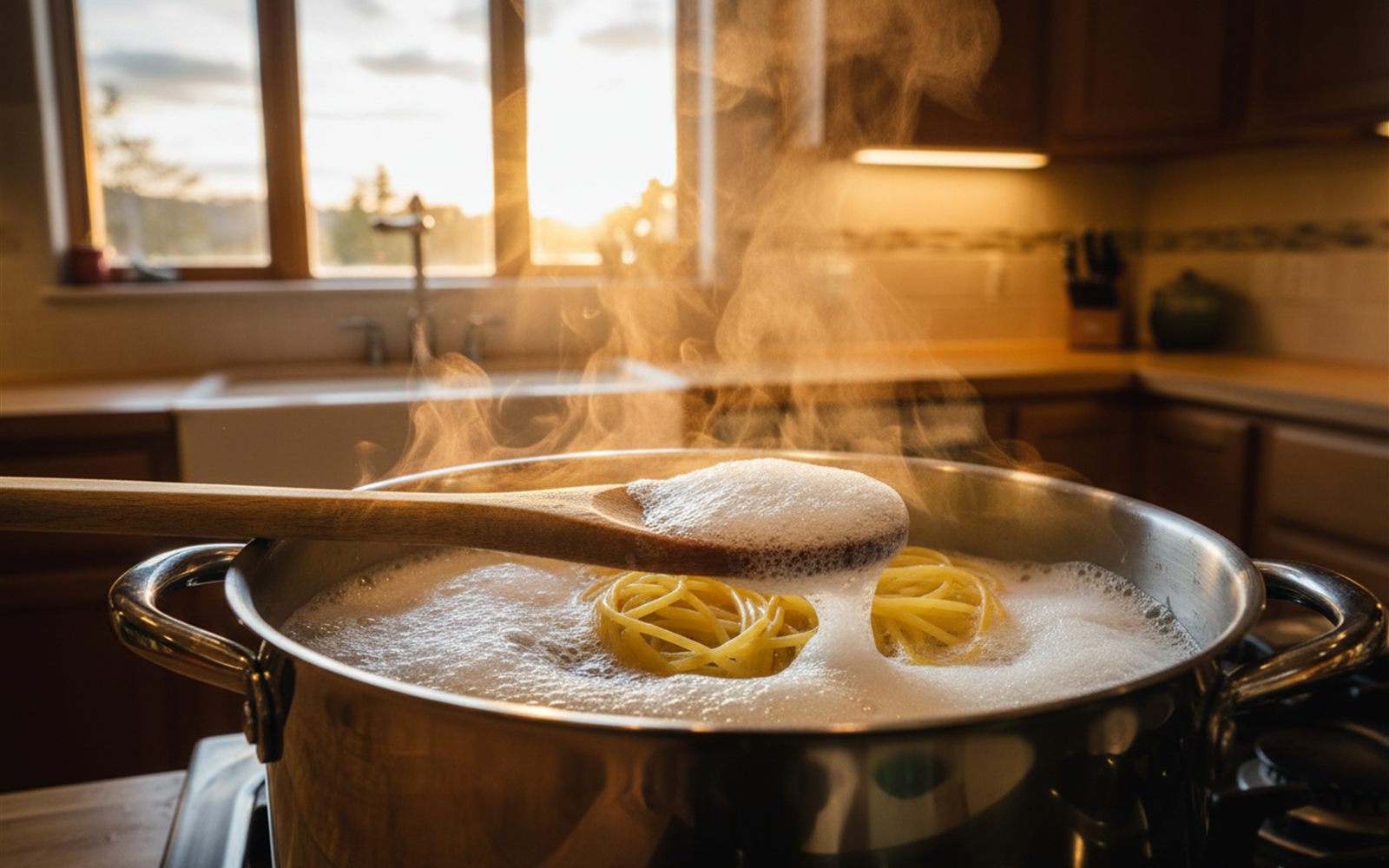
Grandmothers, food bloggers and half of TikTok agree: lay a wooden spoon across a pot of pasta and the water will not boil over. It sounds like kitchen superstition, so we traced what physicists and test kitchens actually say about it.
The spoon trick has been passed around home kitchens for generations, long before anyone could explain it. It resurfaces every few years online, usually over a pot of pasta or potatoes, the two most reliable stove flooders in the house.
Plain boiling water rarely boils over, because its bubbles pop the instant they reach the surface. Pasta water is different. Starch leaches out of the noodles and stiffens the walls of those bubbles, so instead of popping, they pile up into a foam that climbs the pot like a science fair volcano. Milk does the same thing, with proteins playing the role of the starch.
The spoon works because it is everything that foam hates. Wood conducts heat poorly, so the spoon stays far cooler than the rising bubbles. Physicists writing at The Conversation explain that when a starchy bubble touches that cooler, drier surface, the steam inside it condenses back into water and the bubble collapses. The spoon becomes a bubble popping fence right at the rim.
That is also why it has to be wood. A metal spoon heats up in the steam within moments, and a hot, wet surface pops nothing, so the metal version of this trick fails almost immediately. The spoon that works is the one that stays cool and dry the longest.
Works with caveats. The effect is real, repeatable and grounded in actual physics, not folklore. But it is a delay, not a force field.
As the spoon sits over the steam it warms up and gets coated in wet starch, and once it is roughly as hot and wet as the foam, it stops popping anything. A pot filled too high or cranked to maximum heat will still climb right past it. Think of the spoon as a guard that buys you a short window to get back to the stove, not one that lets you walk away.
Before: a hissing tide of starch foam sliding down the pot and burning onto the burner.
After: the foam climbs, hits the spoon, and sinks back down while you finish the garlic bread.
For cooks who flood the stove regularly, there is a purpose built version of the spoon: silicone spill stopper lids, the vented domes that sit over the pot and break foam through a center chimney. Reviewers who simmer milk or oatmeal daily swear by them, and they earn their drawer space in households where boil overs are a weekly event.
But the boring fixes still outrank every gadget. A pot two sizes bigger, a burner one notch lower and an occasional stir prevent the foam instead of fighting it, which is why test kitchens list them first and the spoon second.
Home cooks are split in an interesting way. Plenty report that the spoon reliably saves pasta night, especially on medium heat with a roomy pot. Others call it a myth because it failed them, and the failures almost always involve a nearly full pot or a burner left on high.
Test kitchen pros land in the middle. America’s Test Kitchen recommends the boring fixes first, a bigger pot, an occasional stir and a small drop in heat, with the spoon as a backup rather than the whole plan.
Two more one object kitchen saves:
The spoon really works, it just works like a snooze button, so use the minute it buys you.
The viral scrub really can clear years of baked on grime, if you follow one temperature rule.
The viral trick promises free iron and pest control, but soil scientists say your plants never get the memo.
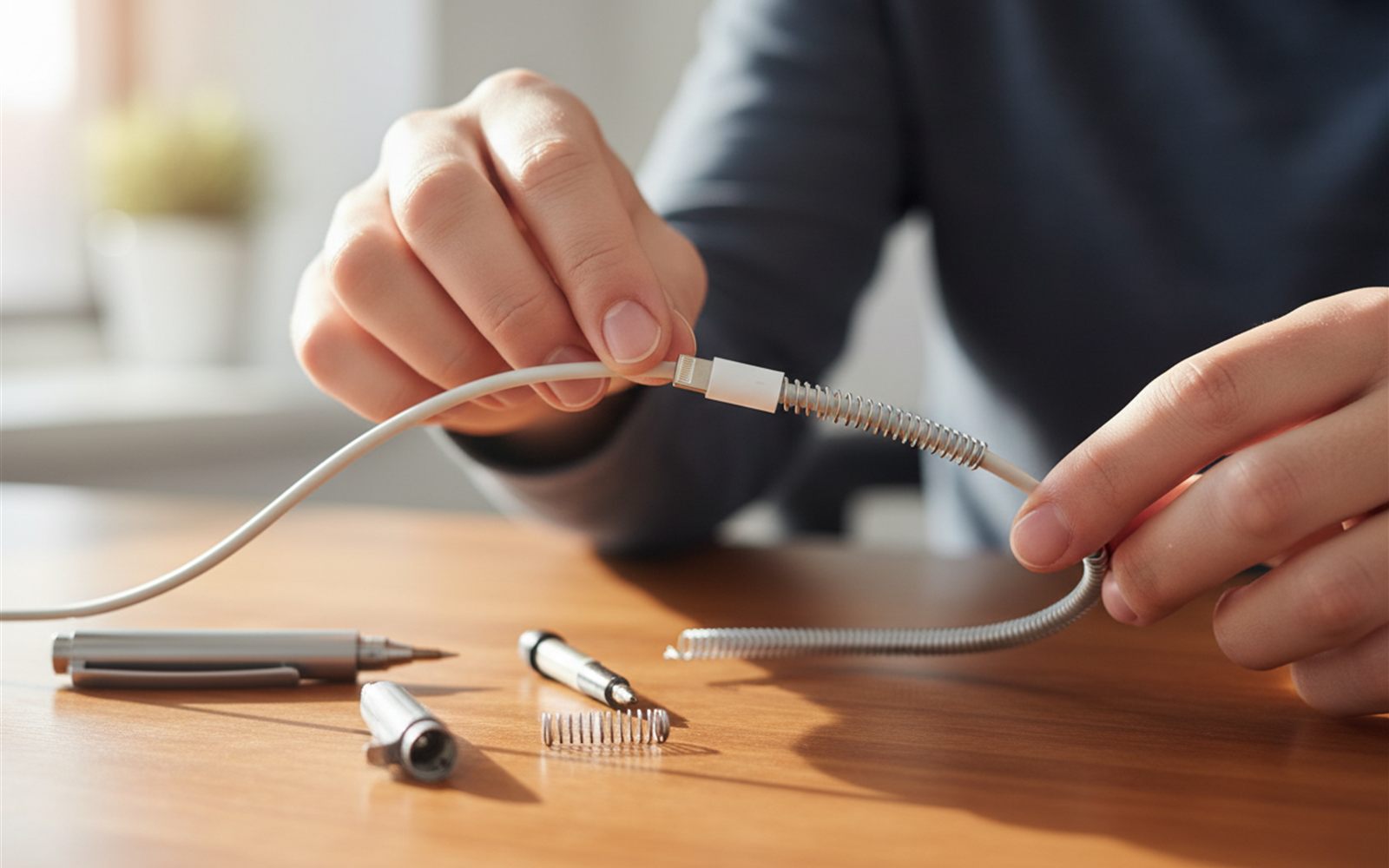
A pen spring and some heat shrink tubing keep cheap chargers alive for years, and the fix takes minutes.