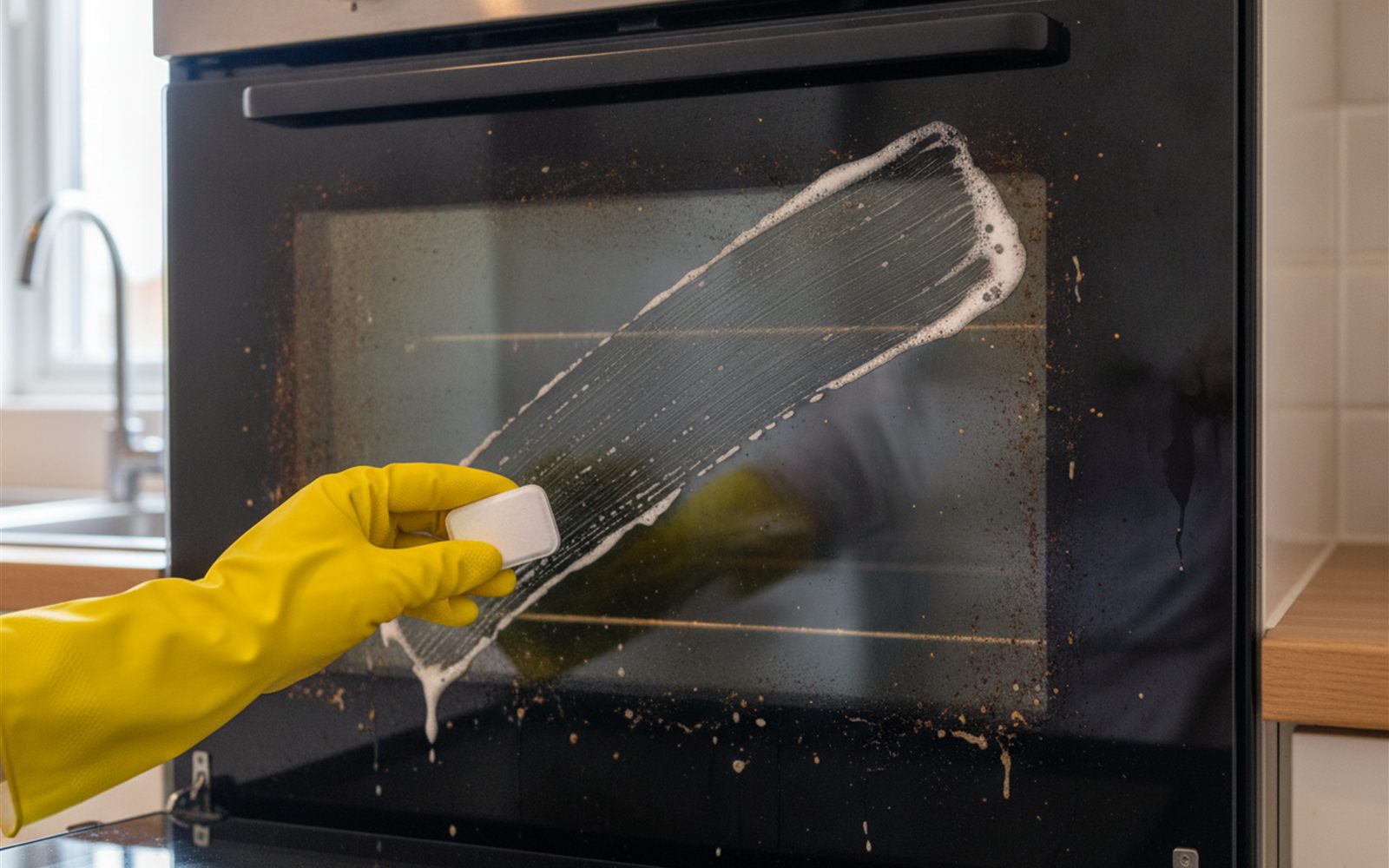
We Checked the Dishwasher Tablet Oven Door Trick Everyone Is Filming
The viral scrub really can clear years of baked on grime, if you follow one temperature rule.
Steam and citrus loosen weeks of splatter so it wipes away in one pass.
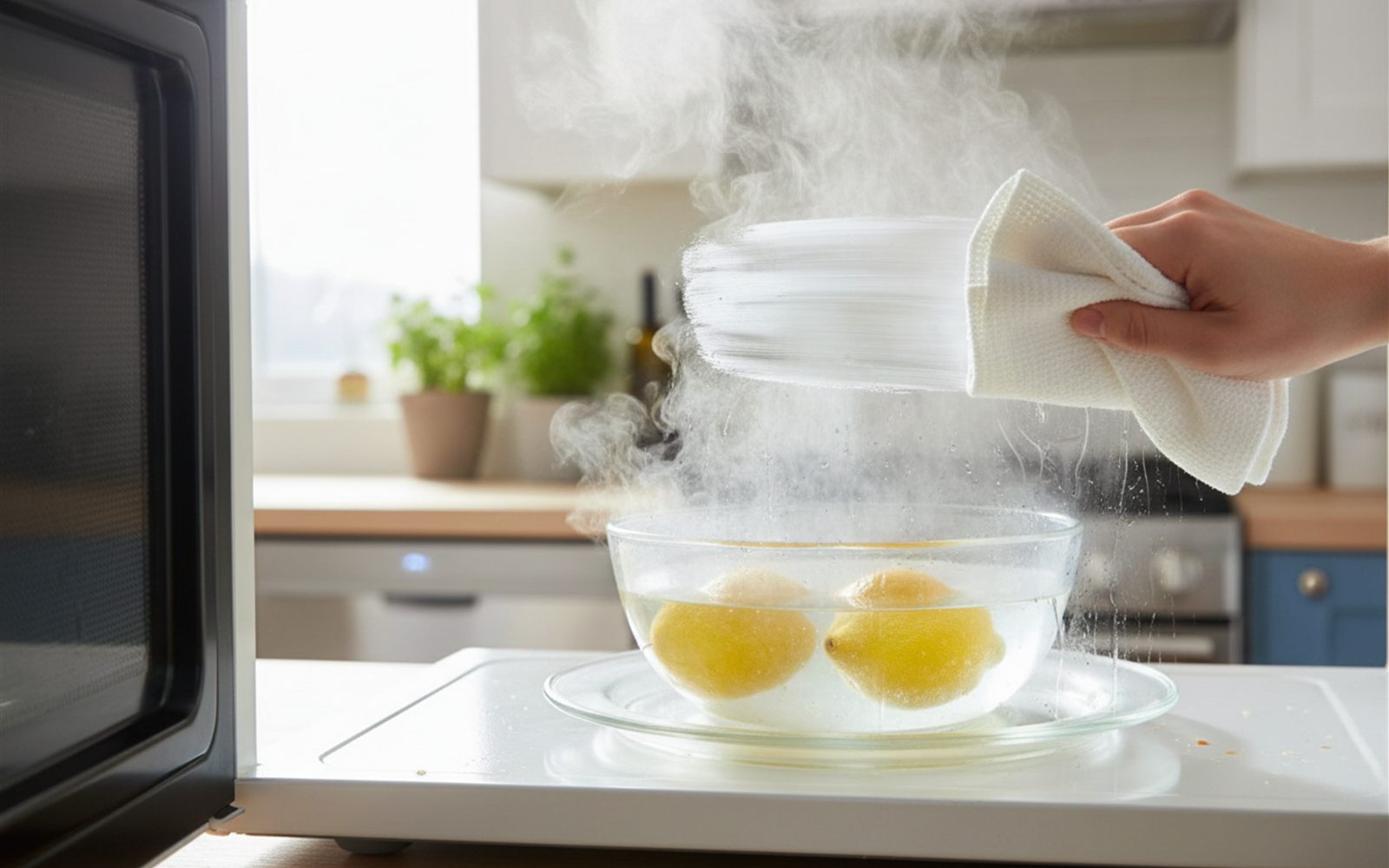
Everyone has met a microwave ceiling covered in fossilized soup. The internet’s answer is a bowl of lemon water, a few minutes on high, and a mess that supposedly wipes away like it was never welded on. We checked why this one works, and it turns out to be less hack and more textbook.
Steam cleaning a microwave is old home economics, and the lemon version has been the standard for years at outlets like The Kitchn and Homes and Gardens. Even appliance repair companies recommend it, which is rare praise in a category full of gimmicks.
Dried splatter is stubborn because it has lost its water. The sauces and soups that exploded in there were mostly water to begin with, and once that water bakes away, what is left is a hard crust of sugars, starches and proteins cemented to the walls. Scrubbing it dry is chiseling.
Steam reverses the crime. Microwaving a bowl of water past boiling fills the box with vapor, and when that vapor condenses on the cooler walls it does two jobs at once: it releases its heat into the crust, warming it, and it soaks back into the dried food, dissolving the sugars and starches that were doing the cementing. The same reason a shower loosens dried toothpaste on a sink, just hotter and sealed in a box.
The lemon is not just perfume. Citrus juice brings citric acid, which helps break down grease films, and the oils in the peel carry the scent that smothers burnt popcorn ghosts. Acid plus steam is the exact combination cleaning pros use on kitchen grime, just generated inside the appliance. The floating lemon halves even handle a physics chore: they give bubbles a rough surface to form on, so the water boils steadily instead of superheating, the rare but real trick where microwaved water gets past boiling temperature without bubbling and then erupts when moved.
Works. This is one of the few viral cleaning tricks with essentially no dissenters: testers consistently report that splatter which laughed at dry scrubbing wipes off in one damp pass after a steam session. It uses no chemicals near your food, costs one lemon, and cleans the smell as well as the walls.
The honest limits: seriously burnt, blackened spots may need a second steam or a dab of baking soda paste, and the bowl comes out genuinely hot, so grab it with a towel. That is the whole risk profile.
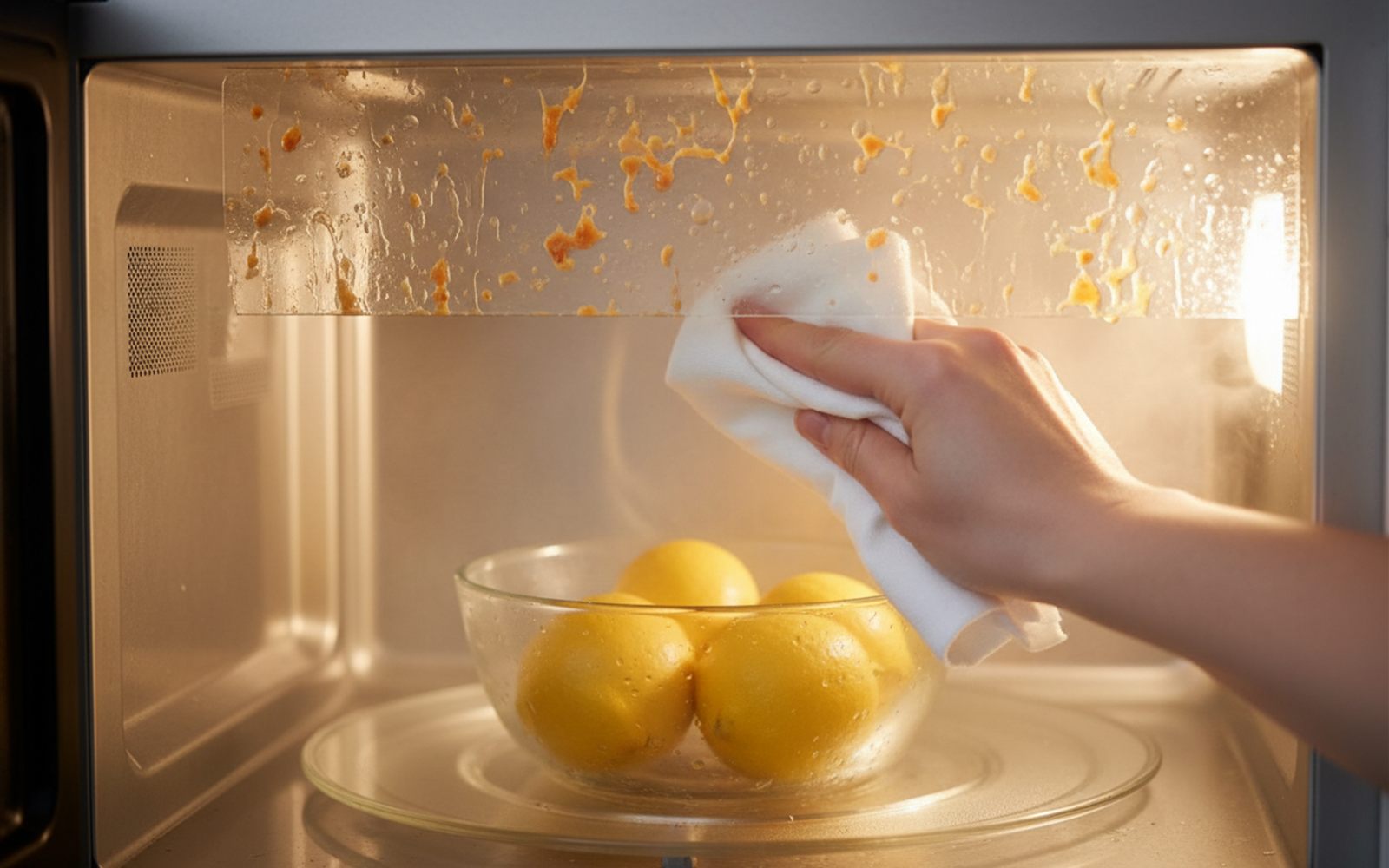
Before: a speckled ceiling of baked sauce that a dry paper towel just polishes.
After: one lap with a damp cloth and the box looks and smells like it just came out of the carton.
Plenty of households run this trick with white vinegar instead, a splash in the same half cup of water, and the internet argues about which is better. The Kitchn actually tested them against each other, and the result splits the crown: the vinegar steam loosened grease slightly better, while the lemon steam left the box smelling far better. Vinegar is also cheaper and needs no slicing, which testers admitted made it the lazier, more repeatable habit.
So pick by your problem. Grease heavy splatter, reach for vinegar. A microwave that smells like a decade of popcorn, reach for the lemon. Some households split the difference and steam with vinegar, then rub the walls with a spent lemon half for the finish. Every version beats scrubbing.
If your microwave lives over the stove, it has a secret: underneath it sits a metal grease filter that has been silently catching every stir fry you ever made. Slide it out and you will meet the dirtiest object in your kitchen.
The fix is the same chemistry as the rest of this article, soap instead of steam. Soak the filter in hot water with a generous squirt of dish soap, swish, brush lightly, rinse and let it dry before sliding it back. Appliance makers like Whirlpool and Maytag say to clean it at least every three months, and monthly if you cook most nights, because a clogged filter chokes the vent fan. One more thing the manuals flag: if your unit recirculates air through a charcoal odor filter, that one cannot be washed and should be replaced about every six months.
While you are at it, give the door seal a wipe with your damp cloth. A clean seal is what keeps the steam trick working efficiently the next time.
A lemon costs about fifty cents, and the vinegar version costs pennies. The store bought alternatives, foaming microwave sprays and steam cleaning gadgets, run a few dollars each and still finish with you wiping the walls with a cloth, which is the entire lemon method anyway. This is one hack where the DIY version is not the compromise, it is the original the products imitate.
This trick has some of the friendliest word of mouth in the cleaning world. Home cooks describe the wipe down as weirdly satisfying, renters lean on it before inspections, and the same tip gets passed around office kitchens because it fixes the smell, not just the stains.
The few grumbles are predictable. People who skip the resting minutes find the crust only half softened, and truly scorched spots need a repeat. Some point out that plain water steam does most of the work, which is true, but the lemon crowd keeps the lemon for the grease cutting and the smell.
Three comments from the threads, exactly as posted.
“Wow, this actually worked! I had some stubborn stains that wouldn’t come off no matter what I tried. The steam trick is genius.”
(from r/lifehacks)
“I always leave the door closed for about 5 minutes after the microwave stops. It gives the steam time to do its work better.”
(from r/LifeProTips)
“Protip, add a splash of white vinegar to that cup of water. Melts the crud off so you can just wipe the inside with a sponge like on a commercial.”
(from r/LifeProTips)
Two more kitchen saves that passed our checks:
Five minutes of steam beats twenty minutes of scrubbing, and your microwave ends up smelling like lemonade instead of last month’s popcorn.
The viral scrub really can clear years of baked on grime, if you follow one temperature rule.
The viral trick promises free iron and pest control, but soil scientists say your plants never get the memo.
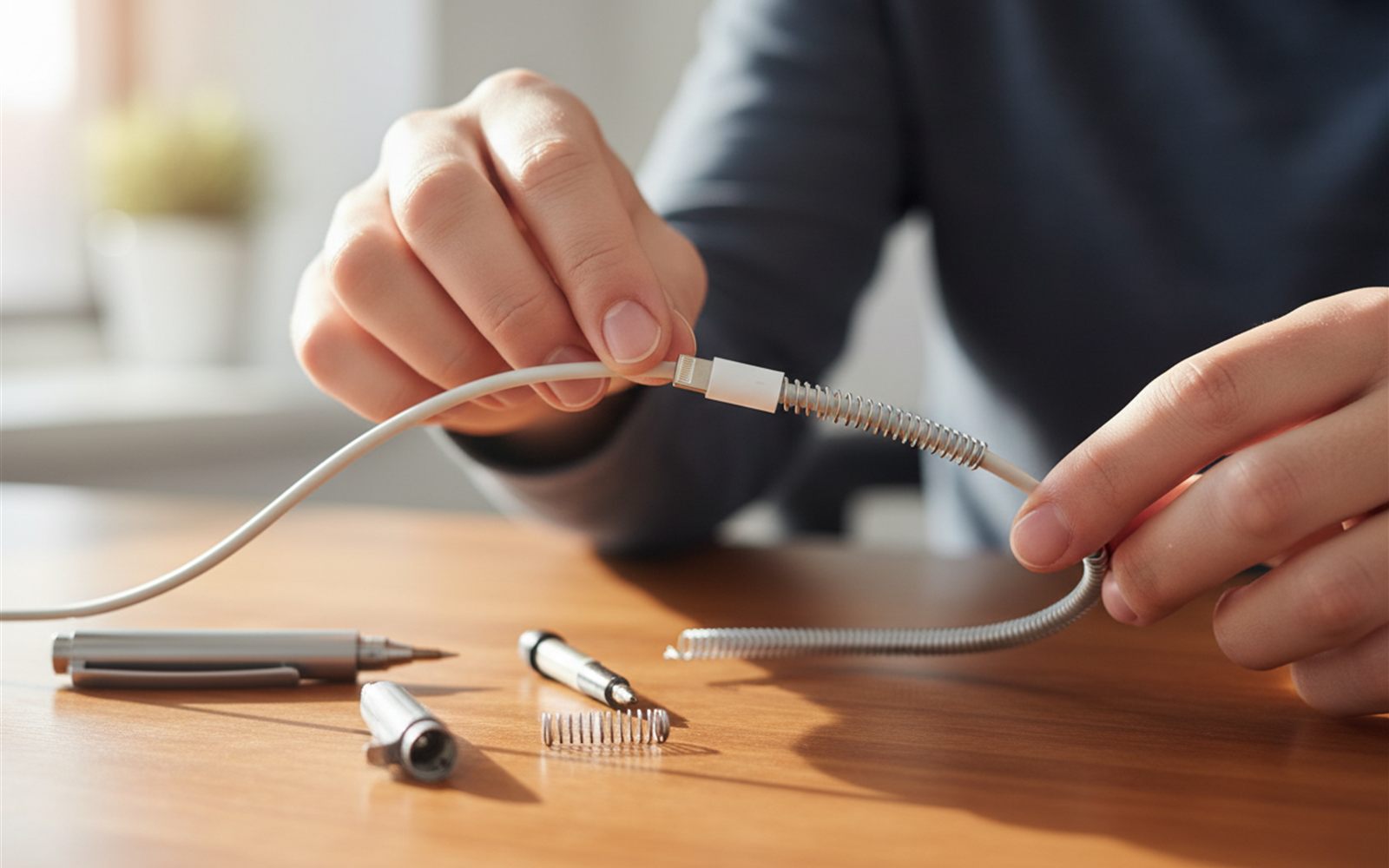
A pen spring and some heat shrink tubing keep cheap chargers alive for years, and the fix takes minutes.