We Checked the Dishwasher Tablet Oven Door Trick Everyone Is Filming
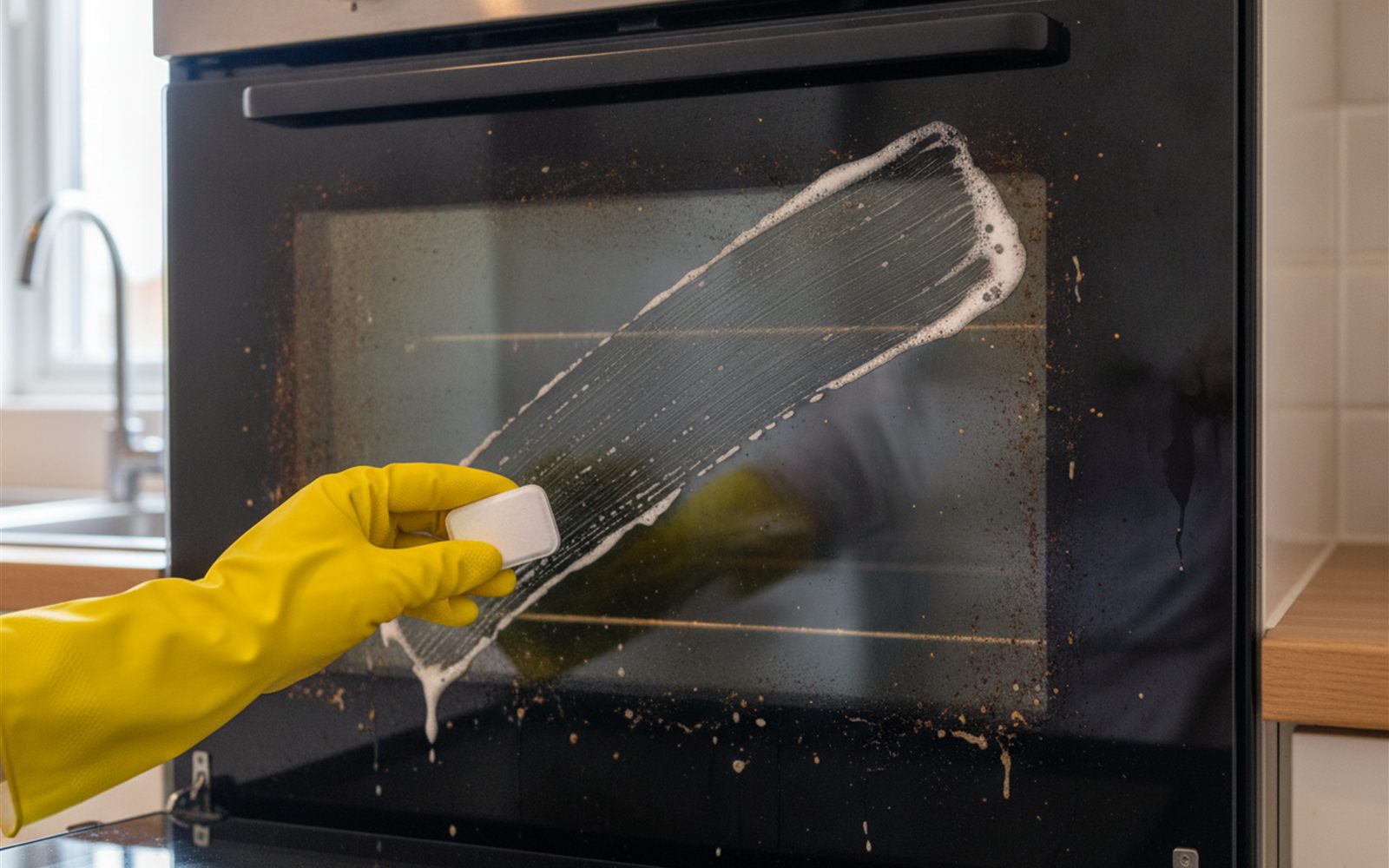
The viral scrub really can clear years of baked on grime, if you follow one temperature rule.
Three pantry staples make a trap that clears fruit flies out of your kitchen fast.
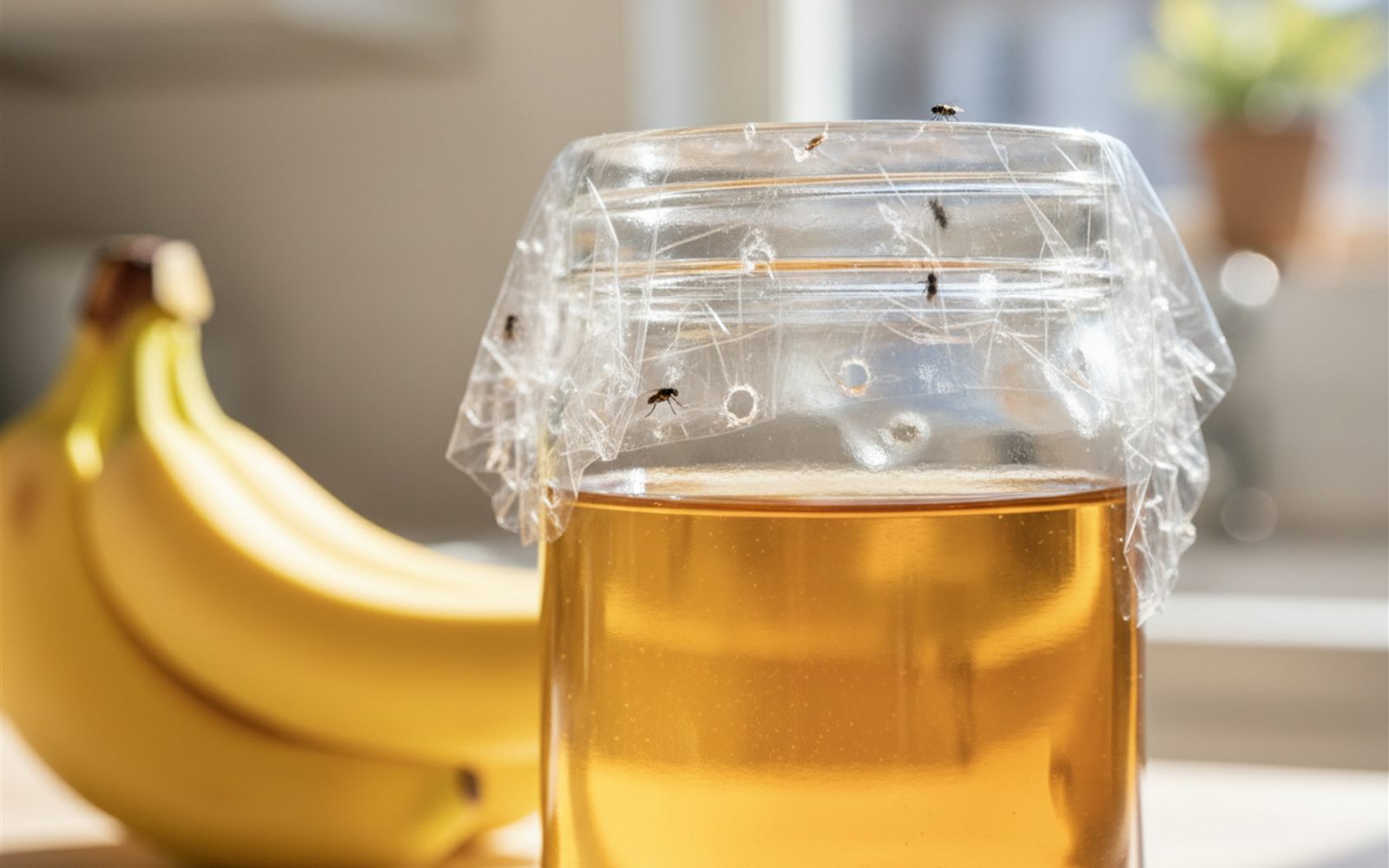
One overripe banana and suddenly your kitchen has a population problem. The internet’s favorite fix is a jar of apple cider vinegar with a few drops of dish soap, and unlike most pest hacks, this one comes recommended by actual pest control companies.
Versions of the vinegar trap have been in farmhouse kitchens forever, but it earned modern credibility when pest control giant Orkin published the recipe, and writers at The Kitchn and Taste of Home ran head to head trap tests. In one Apartment Therapy test, a single jar collected around fifty flies in a week.
Fruit flies are not chasing sugar, they are chasing fermentation, because they lay eggs on overripe and rotting fruit. Their whole navigation system is tuned to the smells a decaying peach gives off: the boozy note of yeast turning fruit sugar into alcohol, the sharp tang as that alcohol turns to vinegar, and the fruity esters riding along with both.
That is why apple cider vinegar specifically, and not just any vinegar. Apple cider vinegar is fermented apple, so it broadcasts the entire scent bouquet at once, a fruit past its prime in liquid form. Plain white vinegar is nearly pure acetic acid with the fruit stripped out, which is why side by side testers keep finding it pulls in far fewer flies. Leftover red wine works nearly as well as the cider vinegar for the same reason: it is also fermented fruit. A few testers even warm the vinegar for a moment first, since warmth throws the scent farther.
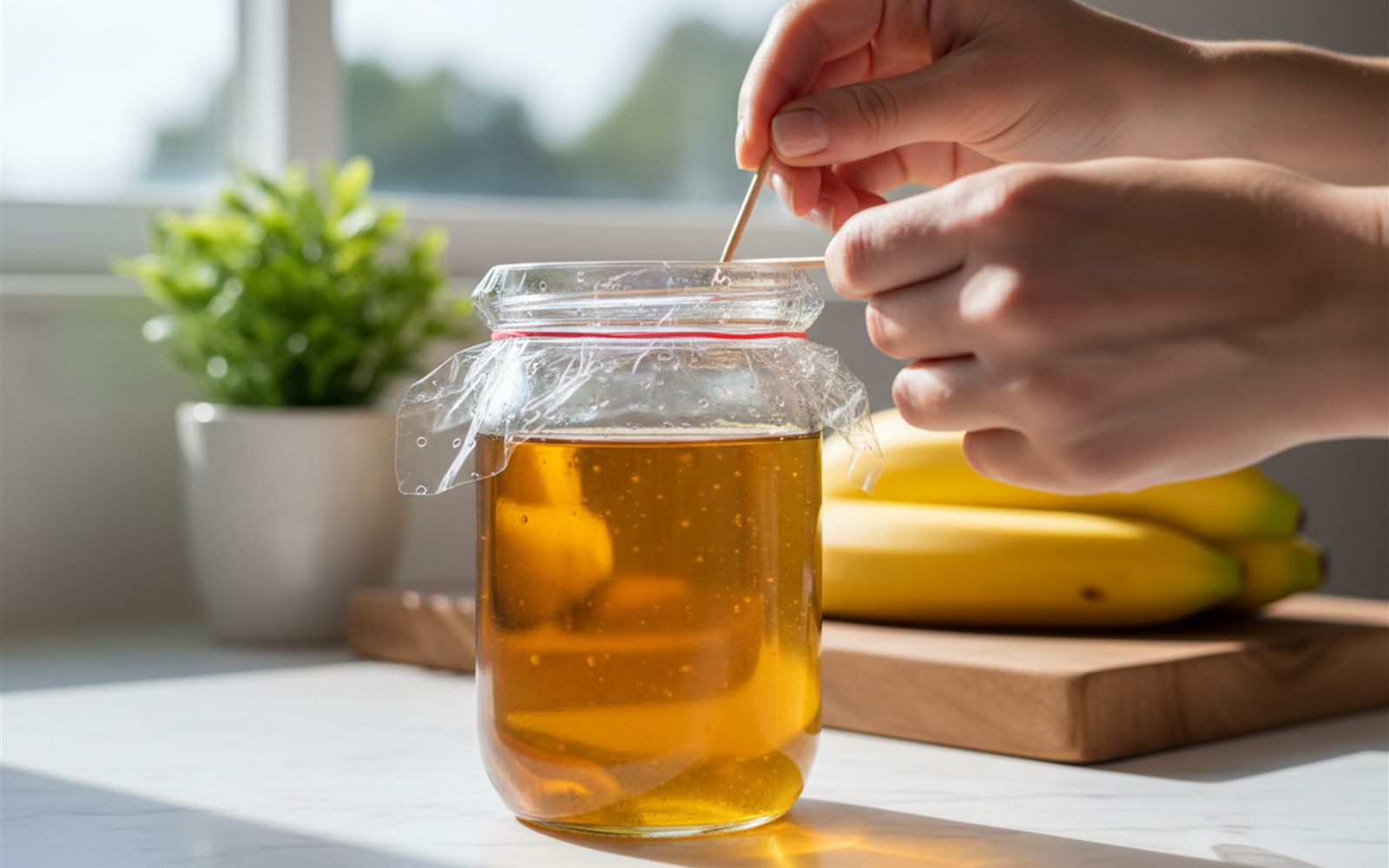
The dish soap is the trap’s quiet assassin. Normally a fruit fly can stand on vinegar because surface tension holds it up. A few drops of soap collapse that surface tension, so the moment a fly lands, it sinks.
The plastic wrap adds a one way door. Flies follow the scent through the small holes, then lack the navigation skills to find the same hole on the way out.
Works. Testers who run trap comparisons keep crowning this design, and results start showing up within hours, sometimes minutes, with jars accumulating dozens of flies over a few days during a real infestation.
One honest caveat: a trap only catches adults. If flies keep breeding in a forgotten potato or a grimy drain, the trap becomes a scoreboard instead of a solution, which is why pest pros pair it with removing whatever the flies are breeding in.
While the trap runs, cut off the supply. Refrigerate or toss ripe fruit, take out the trash, rinse recycling, and flush the sink drain with hot water, since drains are a favorite nursery. Fruit flies breed fast enough that one forgotten peach can restock the kitchen while the trap works, so the trap and the cleanup are one move, not two.
Before: a lazy cloud of gnats rising off the bananas every time you walk past.
After: a jar quietly filling with the whole gang while your counters go still again.
The internet offers half a dozen trap architectures, so The Kitchn ran four of them head to head for a week in the same kitchen. The spread was not close.
| Design | The catch | The verdict |
|---|---|---|
| Jar with tiny holes punched in its metal lid | at least fifty flies | the clear winner |
| Jar topped with pierced plastic wrap | eight to ten flies | solid, hole size decides it |
| Wine bottle with a splash left inside | four or five flies | slow but zero effort |
| Paper cone funnel in a jar | very few | skip it |
The lesson hiding in that table is that the lid is the trap. Small, clean holes let the scent out and the flies in while giving them almost no chance of finding the exit, and the wrap versions that fail usually failed because the holes were poked too big. So if you have a mason jar, the upgrade is free: punch a few nail holes in the metal lid, screw it on, and you have built the winning design.
If the trap sits ignored for days while the bugs keep coming, you are probably hosting a different pest, because the vinegar trap only works on fruit flies. Pest pros at Terminix and writers at Bob Vila point to two common impostors.
Fruit flies are small and tan to brown with famous red eyes, and they loiter near fruit, trash and recycling. If your bugs match that, the trap will work.
Drain flies are the fuzzy ones. They look like tiny gray moths, they sit on bathroom and kitchen walls near sinks, and they breed in the slime layer inside pipes, not in fruit. Vinegar barely interests them. The fix is cleaning the drain itself: a stiff brush down the pipe, then an enzyme drain cleaner or a slow pour of very hot water on repeat days until the film they breed in is gone.
Fungus gnats are the skinny, mosquito shaped ones that rise out of houseplant soil when you water. They want damp potting mix, not vinegar. Let the top of the soil dry out between waterings and they lose their nursery.
Match the bug to the fix and every one of these infestations is beatable in a week.
The DIY trap costs pennies per refill: a splash of vinegar and a drop of soap. The store bought fruit fly traps sold next to the produce aisle run a few dollars each and work on the exact same fermented bait principle in a cuter shell, so they are a convenience buy, not a performance buy. The real money in this fight is the produce itself. A trap plus a fruit bowl policy costs almost nothing and saves the bananas.
Sentiment across forums and comment sections is enthusiastic and a little vengeful, with people posting body counts and comparing recipes. The recurring reports: catches begin fast, apple cider vinegar clearly outdraws white vinegar, and a splash of leftover red wine works nearly as well, since it is also fermented fruit.
The failure stories almost always trace back to the source, a hidden onion gone soft, a sticky trash can, an unrinsed drain. Once that is handled, the same trap that seemed broken empties the room in days.
Here are three of those reports, word for word.
“Yep. This is the golden ratio of fruit fly killing right here. I had a problem with them once and those little cups I put out filled right up.”
(from r/mildlyinteresting)
“A shot of cider vinegar and a little dish soap on the top will remove even the worst fruit fly problem inside of a day.”
(from r/mildlyinteresting)
“One big thing is to add a drop or two of dish soap to the vinegar. It breaks the surface tension, meaning the flies sink easier in the vinegar rather than just resting on the surface.”
(from r/mildlyinteresting)
Two more kitchen fixes that earn their verdicts:
The flies want fermented fruit, so give them a jar of it with no exit.
The viral scrub really can clear years of baked on grime, if you follow one temperature rule.
The viral trick promises free iron and pest control, but soil scientists say your plants never get the memo.
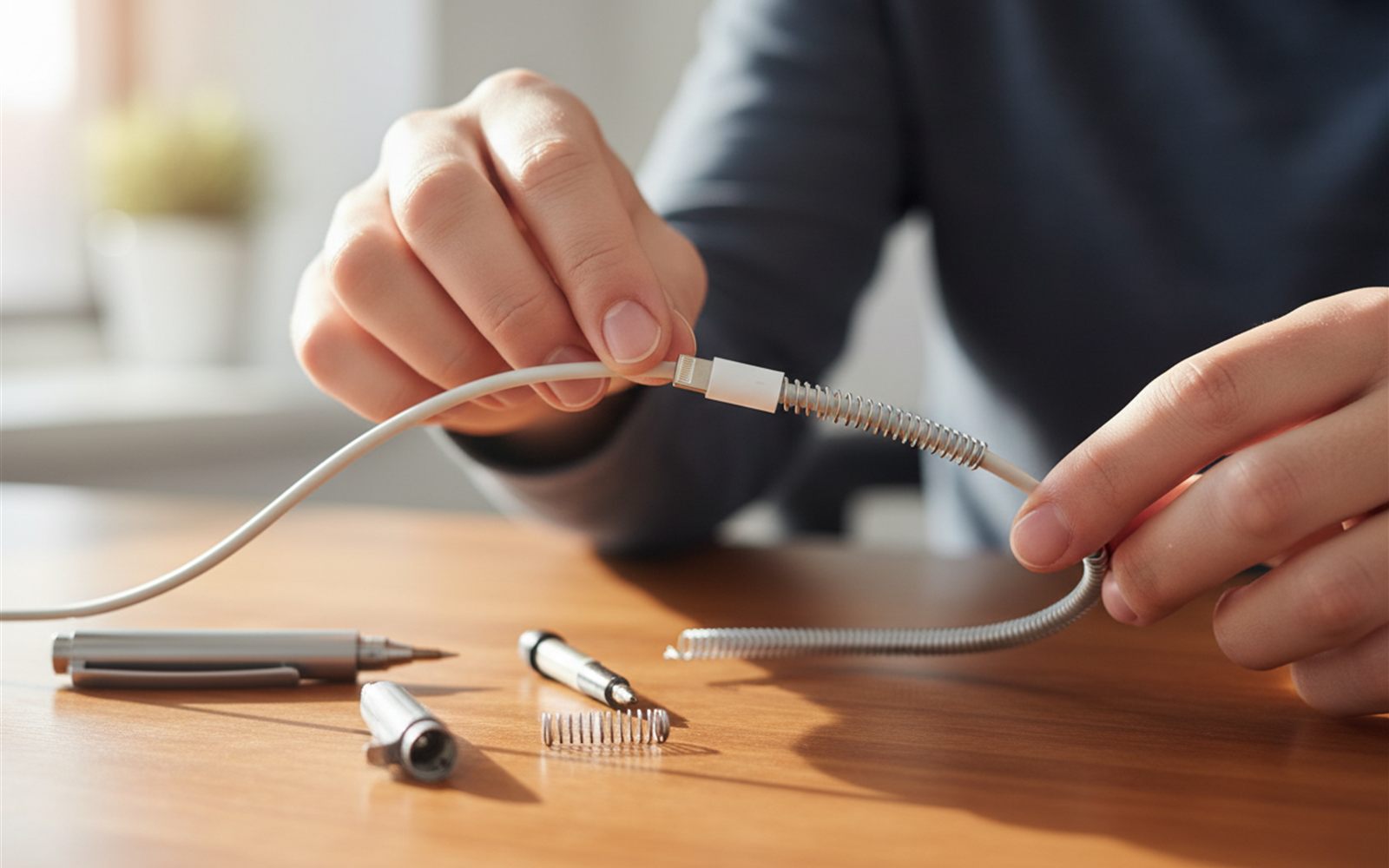
A pen spring and some heat shrink tubing keep cheap chargers alive for years, and the fix takes minutes.