We Checked the Dishwasher Tablet Oven Door Trick Everyone Is Filming
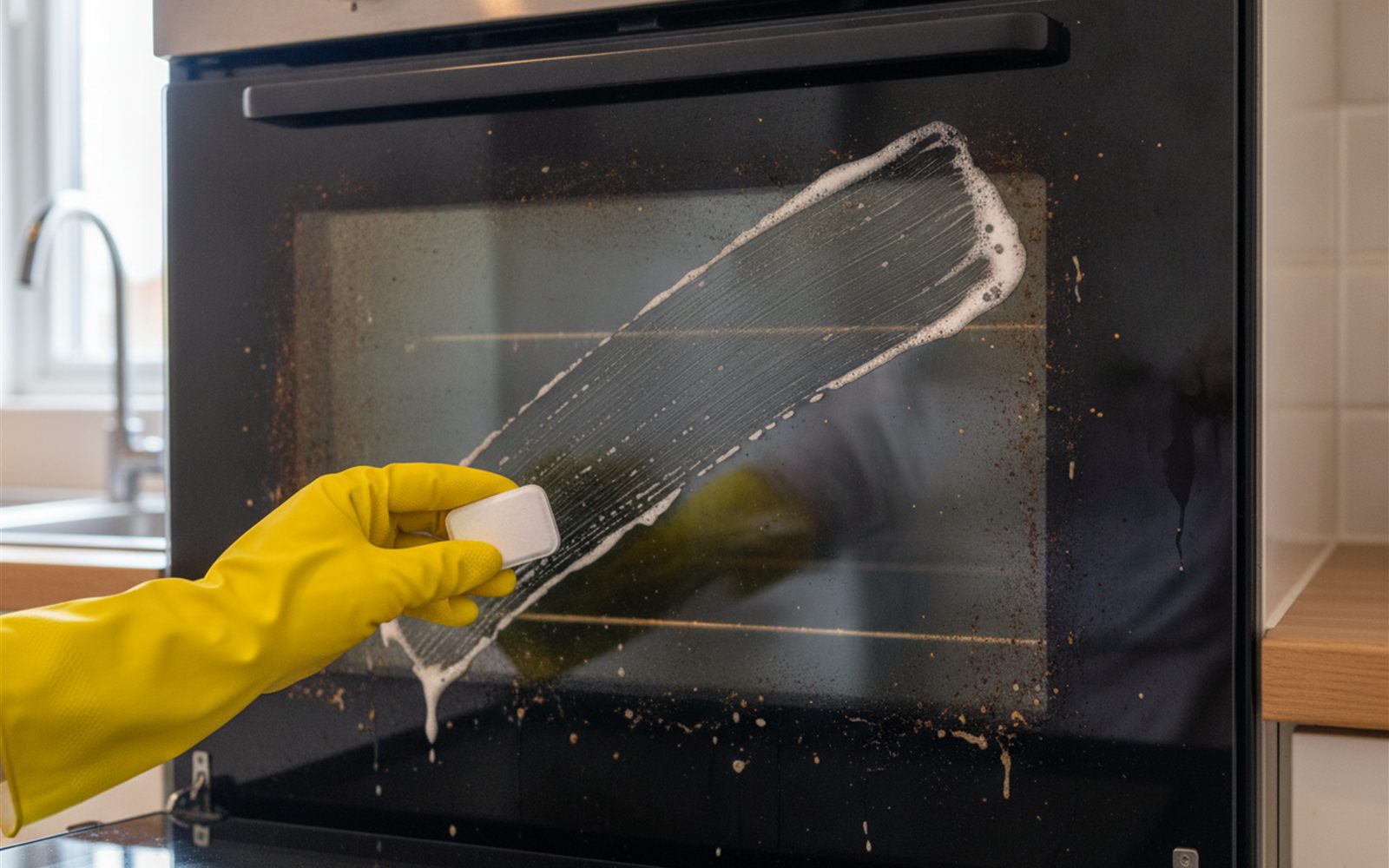
The viral scrub really can clear years of baked on grime, if you follow one temperature rule.
A ball of foil really does kill static, but it will not replace everything a dryer sheet does.
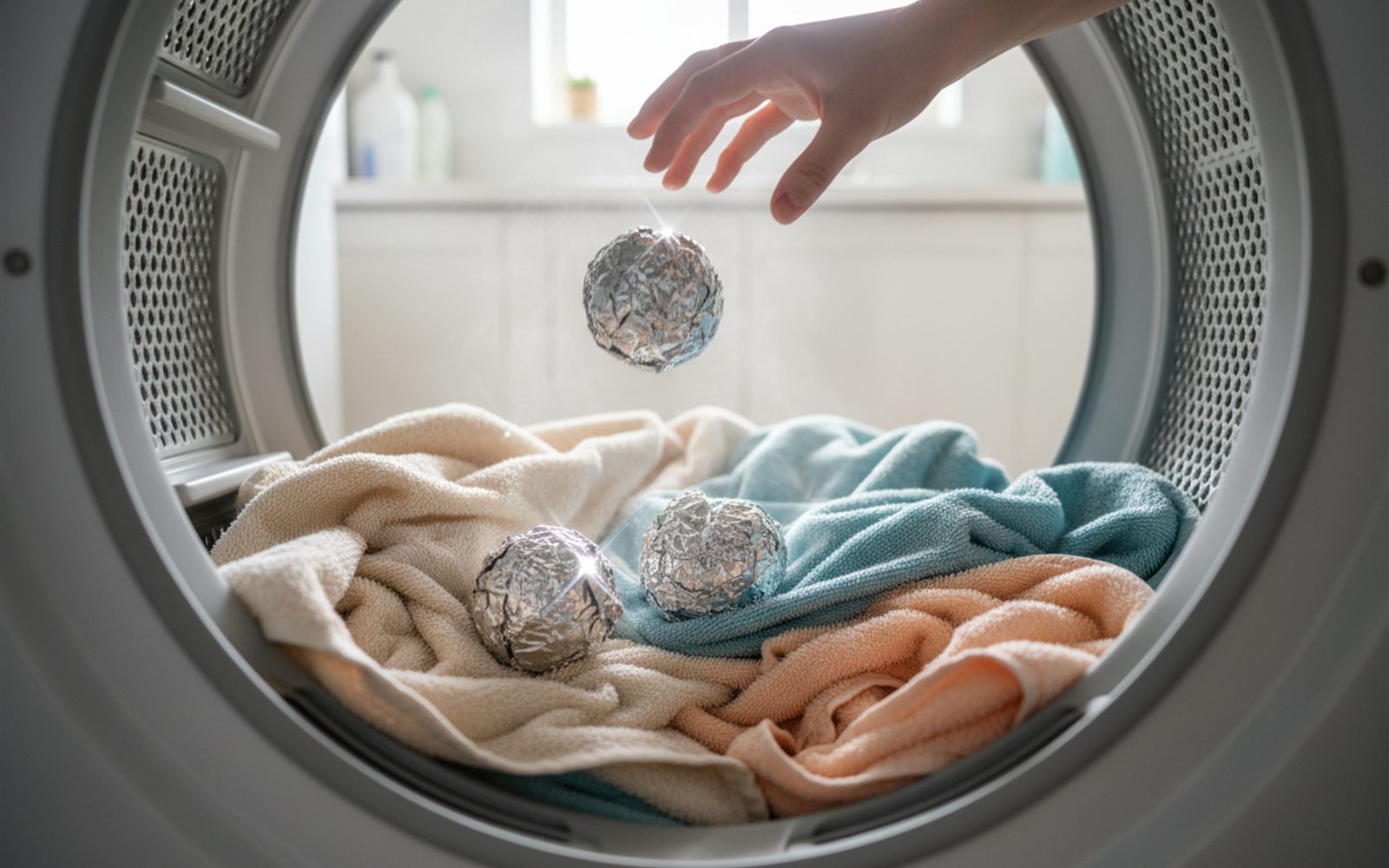
The claim sounds like a prank: crumple aluminum foil into balls, throw them in the dryer, and never buy dryer sheets again. It has been tested by actual publications, so we pulled the results together to sort what foil really does from what the videos imply.
Foil balls have bounced around frugal living circles for decades as a zero cost answer to static cling. The trick went properly viral on TikTok, which pushed outlets like Reader’s Digest and Taste of Home to run their own loads and check it.
Static cling is an electron problem. As fabrics tumble and rub, they trade electrons and build up charge, which is why a sock rides out of the basket stuck to a fleece. Physicists call the rubbing part the triboelectric effect, and some pairings trade harder than others: polyester, nylon and fleece are the worst offenders, which is why the gym load crackles while the cotton towels behave.
Winter makes it meaner for a reason you can actually use. Humid air slowly bleeds charge away, but dry heated air is an insulator, so in January the charge your dryer builds has nowhere to go. That is the villain: charge with no exit.
Aluminum is the exit. It is an excellent conductor, and as the foil ball tumbles through the load, it keeps touching charged fabric and giving that stray charge a path to bleed away, so the clothes come out carrying far less cling. It is the same reason you sometimes get zapped touching a doorknob: the metal drains the charge you built up. Every bounce of the ball is one more tiny doorknob moment, thousands of times a cycle.
Works with caveats. In Reader’s Digest testing, foil balls cut static by roughly seventy percent compared with using nothing, which matches what most home testers report: not flawless, but a dramatic difference for zero ongoing cost. A few balls last a month or two of loads, so the price per load rounds to pennies.
The caveats are about what foil does not do. Dryer sheets coat fabric with softening chemicals and fragrance, and foil provides neither, so towels and fleece can feel slightly stiffer and nothing comes out smelling like a meadow. Foil balls are a static tool, full stop. If softness is your priority, wool dryer balls are the better sheet replacement, and some people run wool for softness with one foil ball for static.
Before: socks welded to shirts and a crackling little light show when you fold in the dark.
After: clothes that separate without the shock, from a ball of foil that cost about a nickel.
Once you know foil only fights static, the real question is which tool deserves the drum. Here is how the three stack up after the published tests and a pass through the cost math.
| Tool | Cost per load | What it does | What it skips |
|---|---|---|---|
| Foil ball | well under a penny | drains static | softness and scent |
| Wool dryer balls | about a penny | soften, cut tangling, some static help | strong fragrance |
| Dryer sheets | a few cents | soften and add scent | reusability, and they coat fibers |
The math behind that middle column: a foil ball is about three feet from a roll you already own and survives one to two months of loads. A basic set of wool balls runs about twelve dollars, and maker Smart Sheep puts their lifespan at roughly a thousand loads, which works out to about a penny per load even if you cut that claim in half. Name brand sheets in big boxes land at a few cents each, forever, because they are single use.
There is also a hidden cost on the sheet side of the ledger. The softness comes from a waxy coating that transfers in the heat, and Family Handyman warns that the same coating builds up on towels and cuts their absorbency, which is why towel makers tell you to skip softener products entirely. The residue also films over the lint screen, so sheet loyalists should wash the screen with soapy water every month or two.
So the ranking depends on the finish line. Pure static removal: foil wins. All around dryer sheet replacement: wool wins, especially for towels. Maximum meadow scent: sheets keep that crown, at a cost.
Across laundry threads and comment sections, the sentiment splits cleanly by expectation. People who wanted static gone are mostly delighted, and many report the same balls surviving months of loads. People who expected the full dryer sheet experience, softness and scent included, come away calling it half a solution, which is fair, because that is what it is.
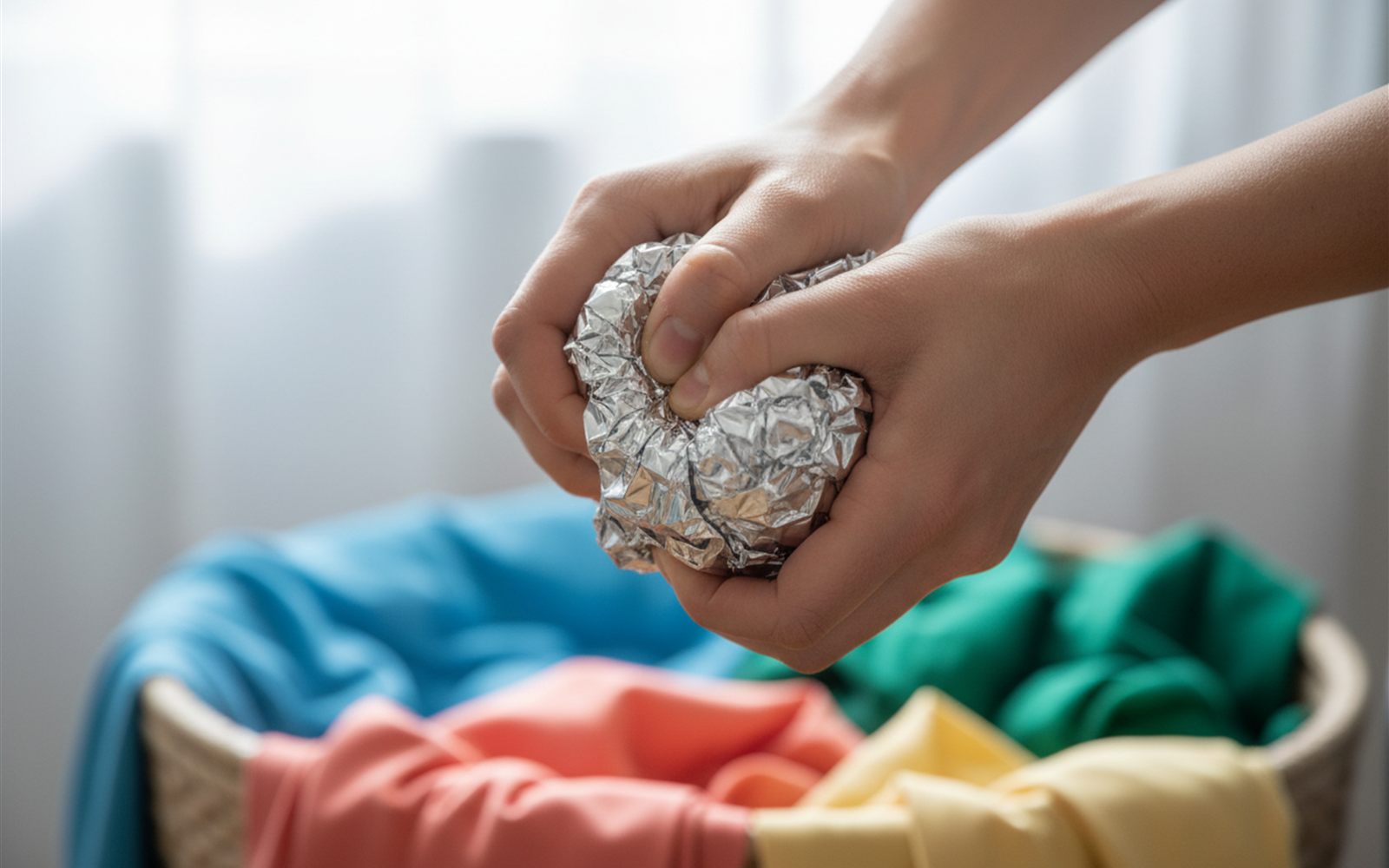
The one complaint nearly everyone shares is noise, since a foil ball thunking around a metal drum is audible from the next room. Tightly packed balls run quieter, snag less and hold together, which is why experienced users insist on the hard squeeze and the countertop roll.
Two more household objects moonlighting as better tools:
Foil will not make your towels fluffy, but for free static removal, it earns its spot in the dryer.
The viral scrub really can clear years of baked on grime, if you follow one temperature rule.
The viral trick promises free iron and pest control, but soil scientists say your plants never get the memo.
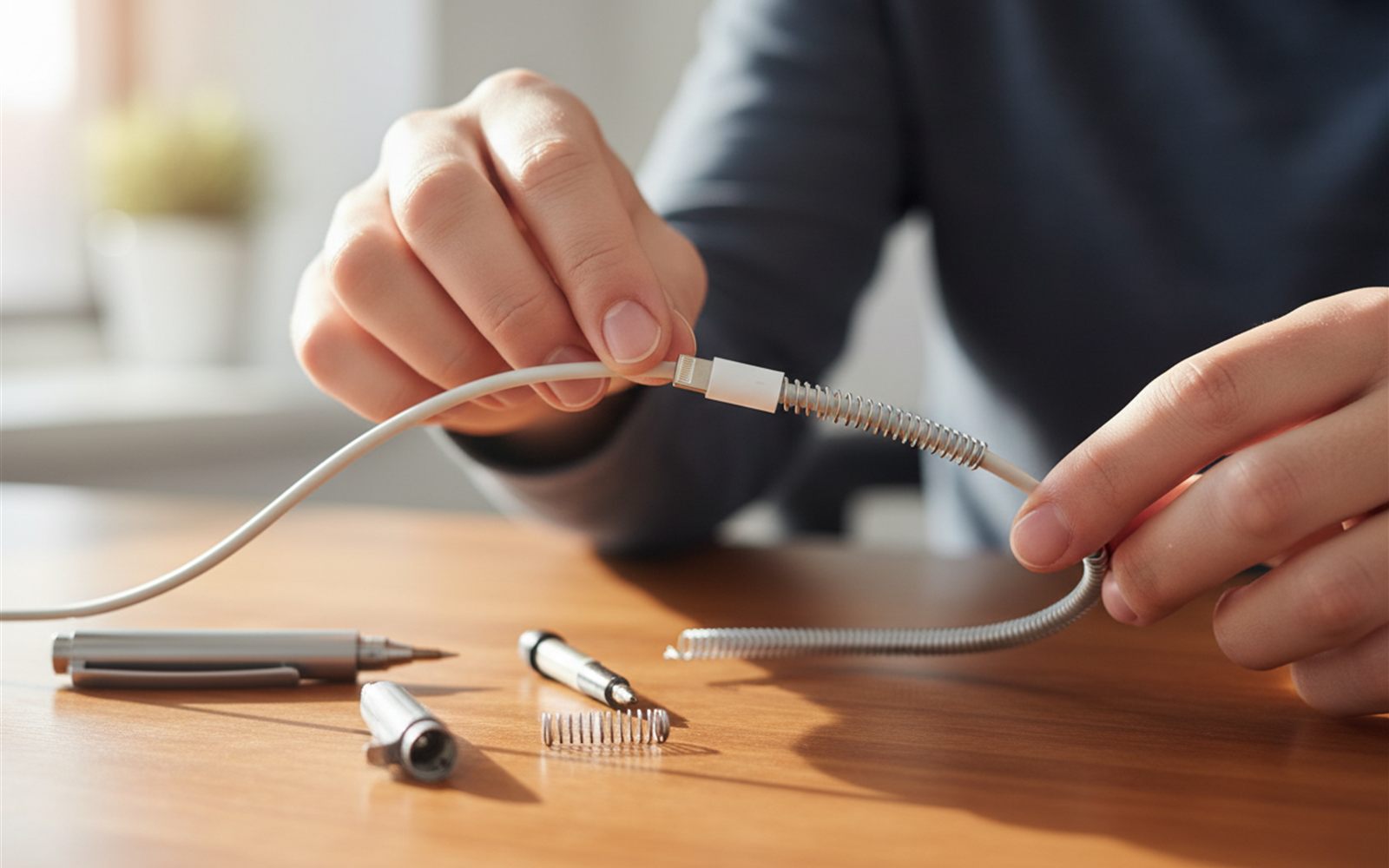
A pen spring and some heat shrink tubing keep cheap chargers alive for years, and the fix takes minutes.