We Checked the Dishwasher Tablet Oven Door Trick Everyone Is Filming
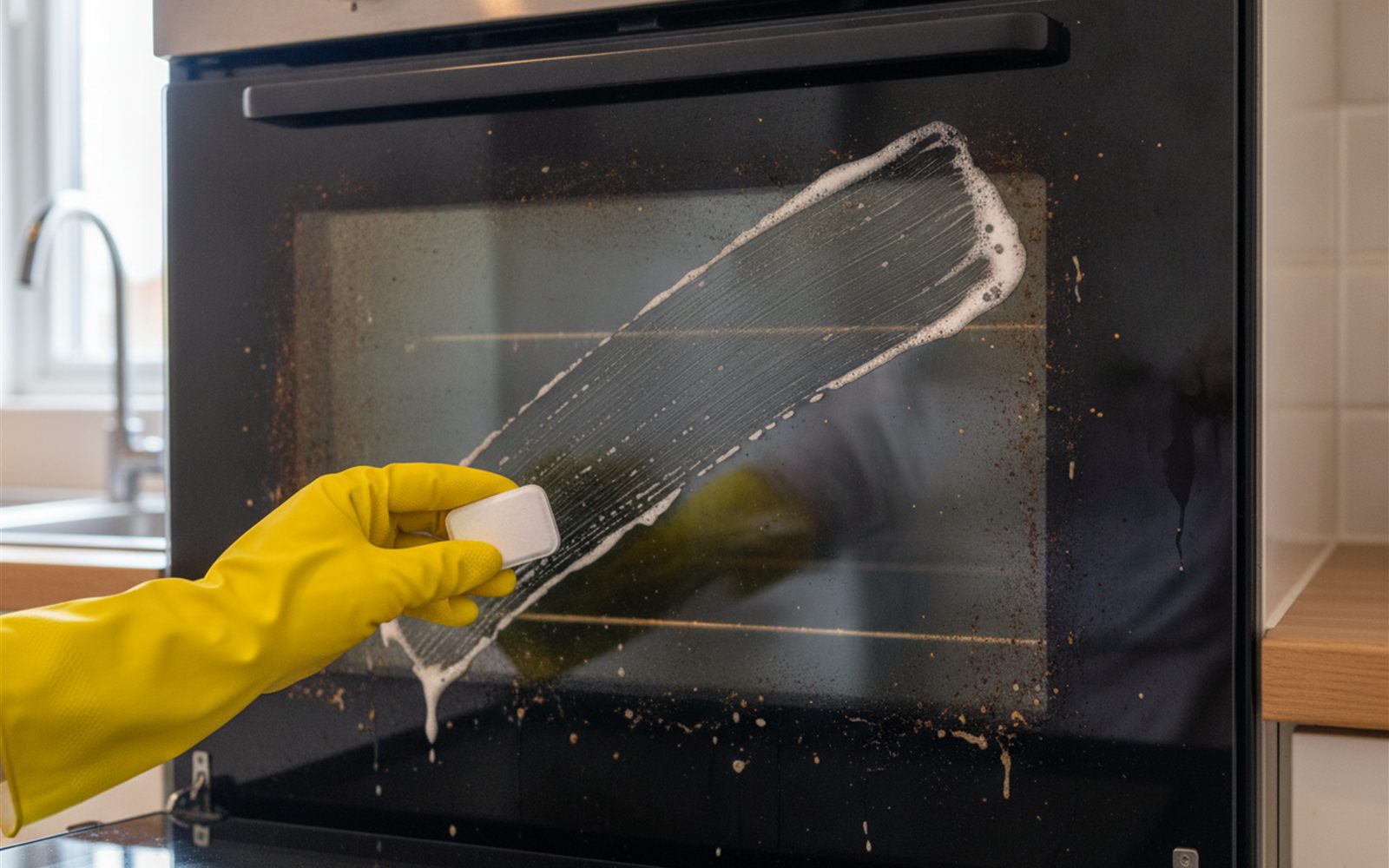
The viral scrub really can clear years of baked on grime, if you follow one temperature rule.
A dab of foam buys you weeks of clear glass after even the hottest shower.
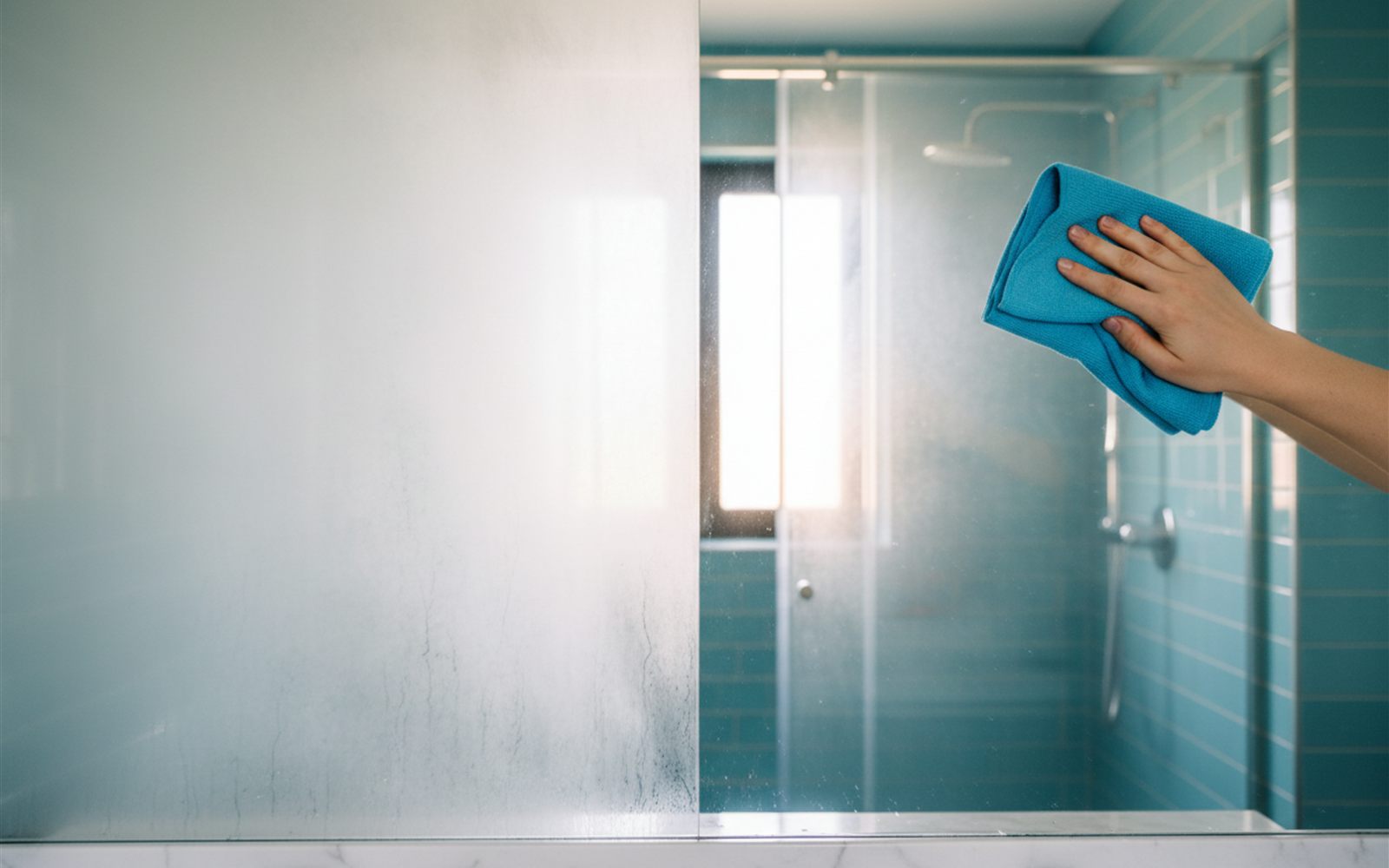
The promise sounds too tidy: wipe shaving cream on your bathroom mirror, buff it off, and the glass stays clear through the steamiest shower. We checked the science and the side by side tests, and this one holds up better than most bathroom folklore.
Divers and motorcyclists have rubbed soaps on visors and goggles for decades to stop fogging, and the bathroom version is the same idea in a friendlier package. It gets steady endorsements from glass and plumbing pros, and writers at Bob Vila ran the classic test, treating one half of a mirror and steaming up the room.
Mirror fog is not a film of water. It is thousands of separate micro droplets, and all those curved surfaces scatter light in every direction, which is what turns the glass white.
Shaving cream is loaded with surfactants, the same molecules that make soap soapy. Each one is a tiny two ended tool: a head that loves water and a tail that avoids it. Buffed onto glass, they leave behind an invisible layer that lowers the surface tension of water, so arriving steam cannot pull itself up into beads. Think of droplets on a waxed car hood standing tall and round. A surfactant film does the opposite, coaxing every drop to lie down flat and merge with its neighbors.
The result is that steam still lands on your mirror, it just flattens into a smooth, transparent sheet, and light passes straight through. The fog never leaves. You just cannot see it anymore.
Works. In the Bob Vila test, the fog rolled in and the untreated half clouded over while the treated half stayed readably clear, which is exactly the split screen the science predicts. Glass care pros recommend the same trick for eyeglasses and car interiors.
Two notes keep it honest. The film wears off, so expect a few days to about three weeks of protection depending on how steamy and busy your bathroom is, with reapplication taking about a minute. And use classic white foam, not gel. Gels carry heavy lubricants and dyes that smear into a hazy, greasy film that is harder to buff out than the fog ever was.
No shaving cream in the house? A single drop of dish soap rubbed over the glass and buffed dry works on the identical surfactant principle, and so does the diver’s version, a dry bar of soap scribbled lightly on the glass and buffed clear. Most testers find the soap methods fade faster, more like a few days, but they are fine stopgaps.
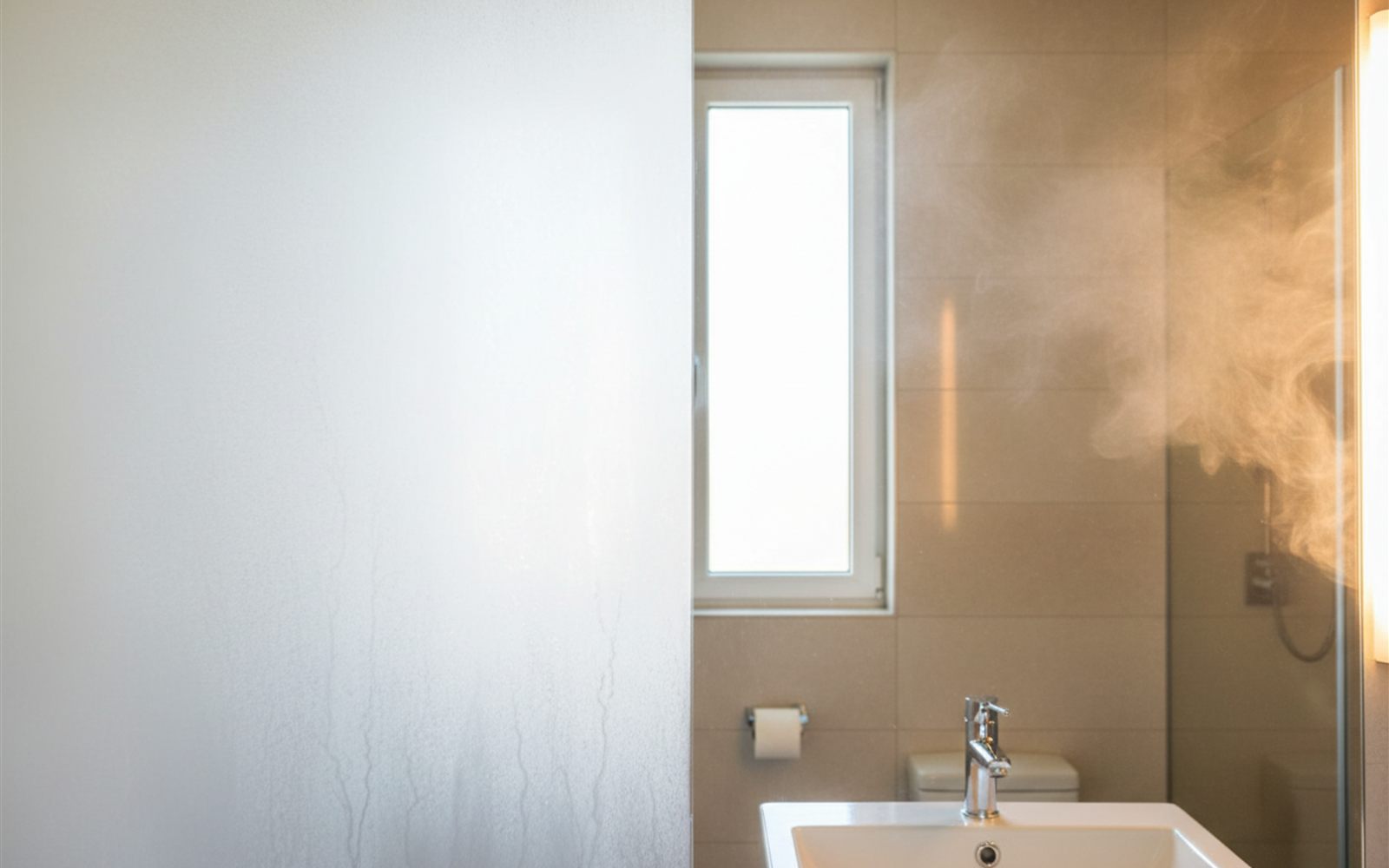
Before: stepping out of the shower to a white wall of glass and wiping a squeaky porthole with your towel.
After: the whole mirror stays clear while the room fills with steam, like the fog forgot your bathroom.
Every anti fog trick is a surfactant film, so the real difference between them is how long the film survives splashes, wipes and humidity. Here is the honest ranking from the tests and forum reports we gathered.
| Method | Typical clear time | Cost to start |
|---|---|---|
| Dish soap drop | a few days | pennies |
| Bar soap rub | a few days | pennies |
| Foam shaving cream | several days to about three weeks | about two dollars a can |
| Dedicated anti fog spray | weeks per coat | about six dollars a bottle |
The spread on shaving cream is real, not hedging. In a quiet guest bathroom the film can ride out most of a month, while shaving forum threads from heavy steam households report needing a fresh buff after a few showers. Traffic and humidity set the clock.
On cost, this might be the cheapest upgrade in the entire house. A can of Barbasol runs about two dollars at Walmart, and a golf ball dollop per month means one can treats a mirror for a very long time while still doing its day job on your face. A bottle of Rain X Interior Glass Anti Fog costs about six dollars at Walmart and auto parts stores and holds its film longer per coat, which is why frequent reappliers eventually graduate to it. Either way the whole experiment costs less than one takeout coffee.
Winter car fog is your own breath condensing on cold glass, which means it is the bathroom mirror problem doing highway speeds. The fix transfers: a small dab of foam buffed completely clear on the inside of the windshield leaves the same surfactant film, and testers from Family Handyman to local TV consumer reporters confirm it cuts morning fogging.
The car version has stricter rules than the bathroom version. Use less than you think, and buff until there is zero haze, because any leftover film catches oncoming headlights at night. Keep the foam off the dashboard, since it can dull some finishes. And know its limits: the film wears faster on a windshield than a mirror, so daily commuters tend to land on a dedicated interior anti fog product, with the shaving cream trick as the free version that proves the concept. One warning worth repeating: the interior product and the exterior rain repellent are different chemicals, and the water beading one belongs only on the outside of the glass.
Across cleaning columns, bathroom forums and helmet visor threads, the pattern is consistent: people are surprised it works, then annoyed nobody told them sooner. Reports of two to three fog free weeks are common in ordinary bathrooms, with steamy small bathrooms burning through the film faster. Nearly every complaint traces back to one of the four mistakes above, with gel users making up most of the grumbling.
Two more bathroom and kitchen glass wins:
One minute of buffing a month is a fair trade for never towel wiping a foggy mirror again.
The viral scrub really can clear years of baked on grime, if you follow one temperature rule.
The viral trick promises free iron and pest control, but soil scientists say your plants never get the memo.
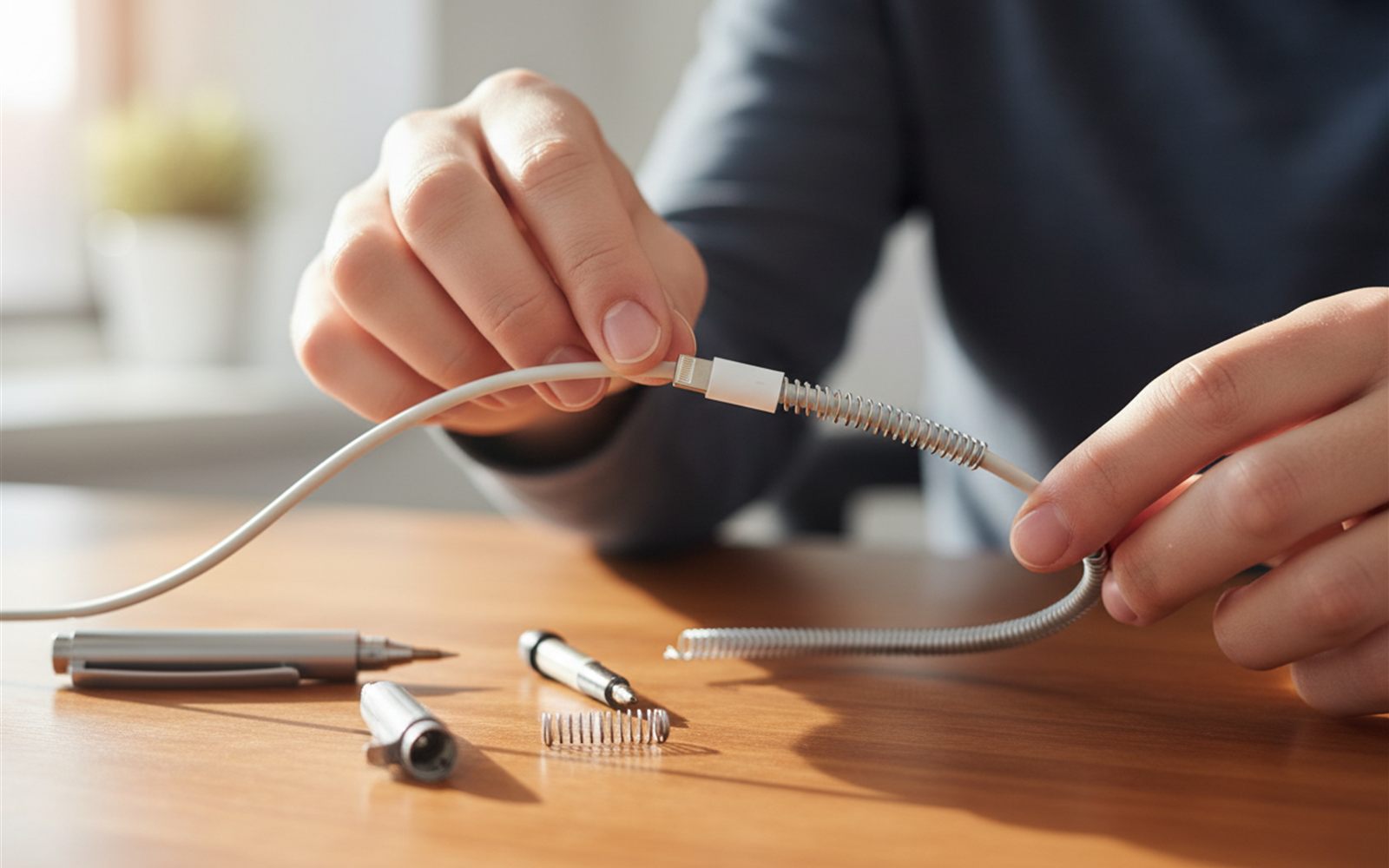
A pen spring and some heat shrink tubing keep cheap chargers alive for years, and the fix takes minutes.