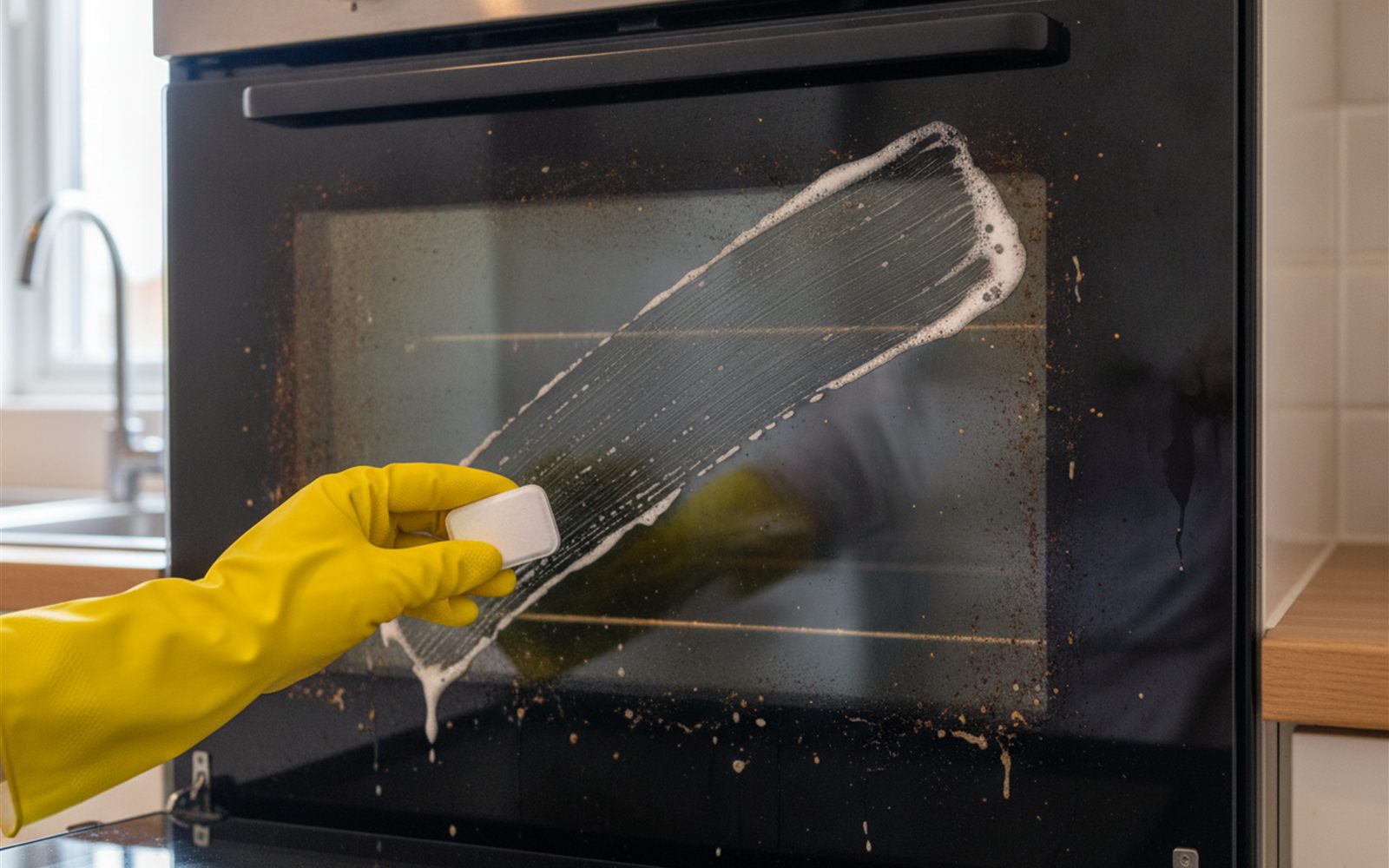
We Checked the Dishwasher Tablet Oven Door Trick Everyone Is Filming
The viral scrub really can clear years of baked on grime, if you follow one temperature rule.
Trap years of gray fluff inside the fabric instead of all over your bedspread.
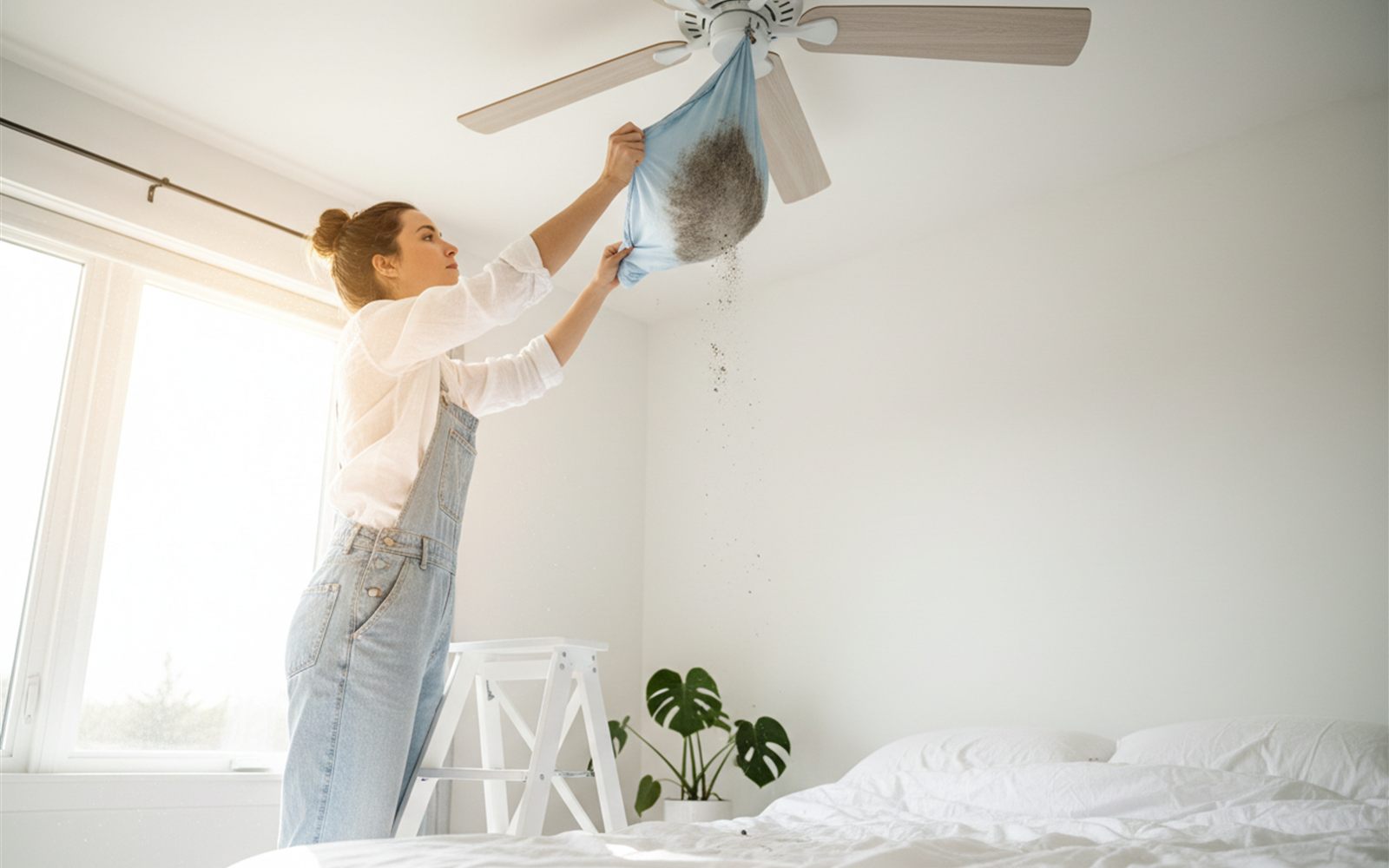
Everyone knows the punishment for dusting a ceiling fan: a gray blizzard that settles on the bed, the dresser and your hair, so the room ends up dirtier than when you started. The internet’s fix is an old pillowcase, and this is one viral trick the professionals actually endorse.
Housekeepers have quietly used this one for years, but it exploded once cleaning creators started filming the reveal. It has since been recommended by the cleaning pros at Molly Maid, tested by writers at Apartment Therapy, and folded into Home Depot’s own how to guides, which is about as mainstream as a hack gets.
Fan dust is not loose powder. It is a felted mat of lint, pollen and sticky household film that grips the blade, which is why a feather duster mostly launches it airborne.
It is also grimier than it looks. Cleaning writers at Homemade Simple describe household dust as a blend of outdoor drift like dirt, soot and pollen mixed with indoor debris: shed skin cells, pet dander, hair, lint and tiny food particles. A fan blade is a paddle sweeping through that soup for hours a day, and the particles that smack into its leading edge stay there, glued down by kitchen grease haze and everyday humidity. That is why the buildup always forms a ridge along the front edge of the blade.
The pillowcase wins on geometry. Slipped over the blade, it wraps all four surfaces at once, and as you drag it off, the fabric wipes the top, bottom and edges in one pass. Everything it scrapes loose lands inside the bag instead of on your comforter.
Works. Among viral cleaning tricks this is a rare unanimous one: testers report the blades come out clean and the mess stays contained, with almost nothing drifting down. It costs nothing, takes about five minutes, and doubles as its own trash bag.
Two honest limits. Kitchen adjacent fans wear a greasy film that the dry fabric alone will not cut, so those need a damp microfiber follow up. And any fan cleaning means standing on something, so the real safety rule is a stable step stool and the fan switched off before you touch a blade.
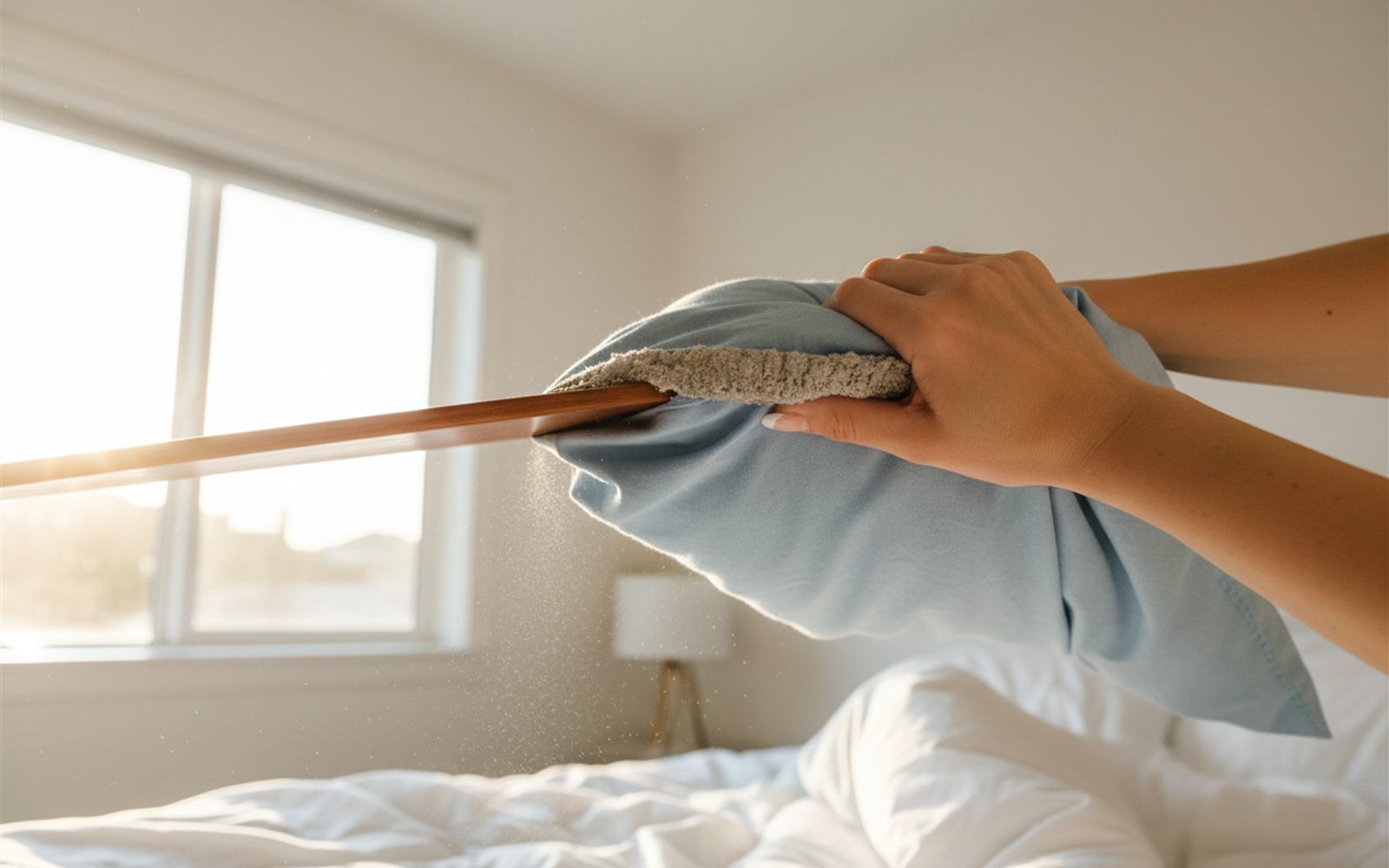
Before: every blade wearing a gray fur coat you can see from the doorway.
After: clean blades, clean bedspread, and all the evidence sealed inside one washable bag.
More often than most of us do, and the reason is what happens when you flip the switch. Every spin of a dusty fan flings settled particles back into the air you breathe, which is why allergy focused cleaning guides treat fan blades as a priority, not a someday chore.
The schedule the pros give is manageable. Cleaning experts interviewed at Today suggest a monthly cleaning for a typical bedroom fan. Guides aimed at pet households, like those at Homemade Simple, tighten that to every two weeks, since dander and hair pile up fast. If someone in the house has allergies, a quick weekly pass during heavy use season keeps the blades from ever building the fur coat. The pillowcase makes the math painless: five minutes, once a month, zero cleanup.
Here is the bonus almost nobody mentions: if your fan has developed a shimmy, cleaning is the first fix, not the last. Fan makers like Hunter list uneven dust buildup among the top causes of wobble, because a few extra grams riding one blade is enough to throw the spin off balance.
So before you buy anything, do the pillowcase pass and run the fan. Still wobbling? Work the checklist fan manufacturers publish: tighten the screws where each blade meets its bracket and the bracket meets the motor, then measure from each blade tip to the ceiling to spot a drooping blade. The last resort is a balancing kit, the little clip and stick on weights that ship with many fans, moved along each blade until the shimmy dies. Most fans never get that far. They just needed the dust gone.
There are purpose built fan dusters, the bendy microfiber heads on telescoping poles, and they are genuinely handy for vaulted ceilings you cannot safely reach from a stool. For a normal height fan, though, they solve the wrong problem: they reach the blade, but most still sweep dust off the edge and into the air, which is the exact dust storm you were trying to avoid.
The pillowcase costs nothing, cleans all four surfaces in one pull, contains the fallout and goes straight into the laundry. This is the rare chore where the free tool is the better tool.
The same trap principle upgrades other dusty jobs too. A slightly damp microfiber glove or old sock over your hand wipes blind slats clean without the flick and scatter, and a lint roller peels the fuzz off lampshades that a duster just pushes around.
Sentiment on this one is about as positive as cleaning content gets. When the trick makes the rounds on social media, comment sections fill with people announcing they are trying it that same day, and the follow ups mostly confirm the promise, with testers surprised that the dust really does stay in the bag.
The recurring notes are small. People with thick, years deep buildup say the case captures most of it but a few clumps still escape, so slow passes beat fast ones. Reddit cleaning threads add two refinements: use a case you no longer love, and finish with a damp cloth or a swipe of a dryer sheet if you want the blades to shed dust more slowly next time.
Two more tricks that turn household castoffs into tools:
Five minutes, one old pillowcase, and the dust storm finally happens inside the bag instead of on your bed.
The viral scrub really can clear years of baked on grime, if you follow one temperature rule.
The viral trick promises free iron and pest control, but soil scientists say your plants never get the memo.
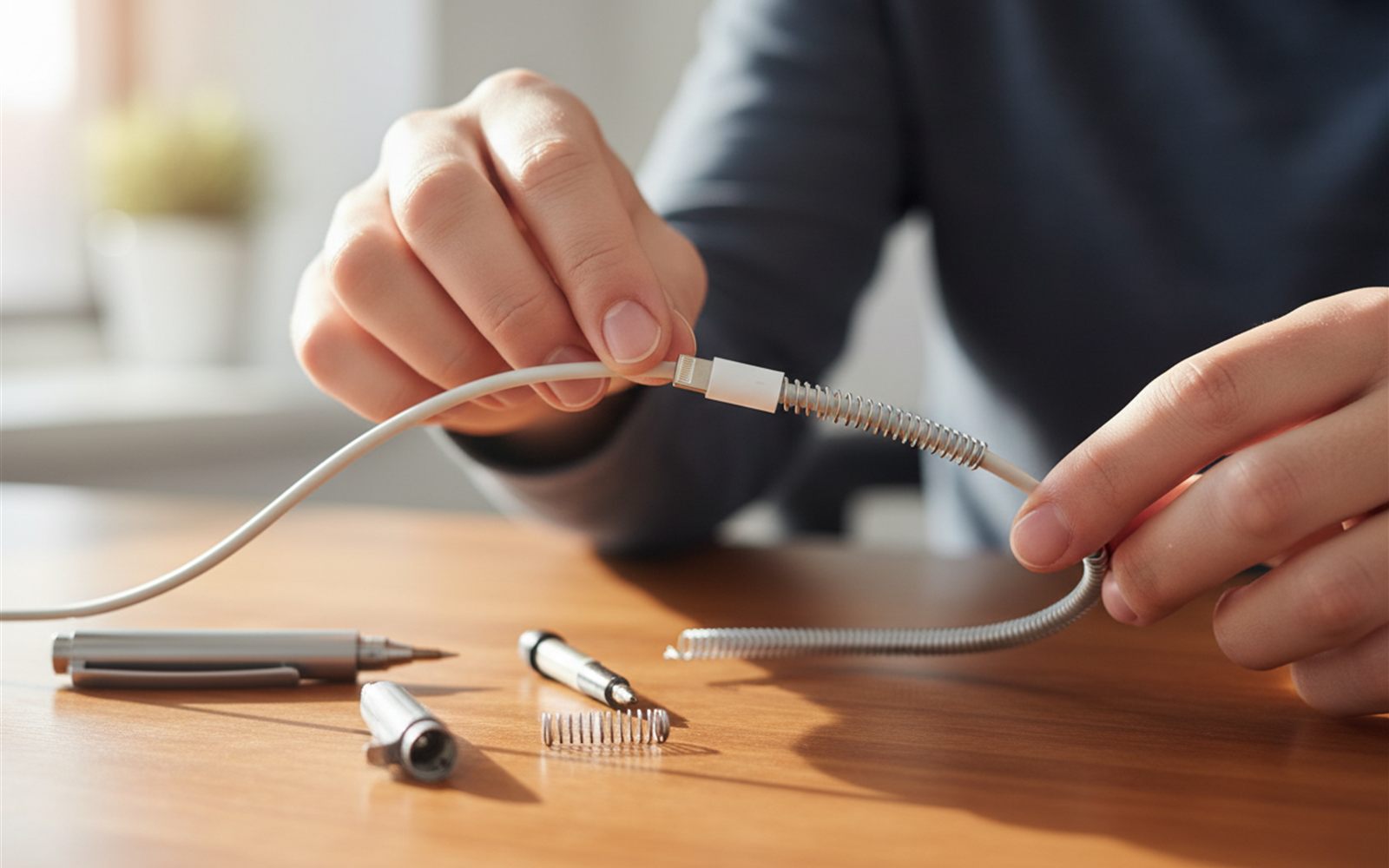
A pen spring and some heat shrink tubing keep cheap chargers alive for years, and the fix takes minutes.