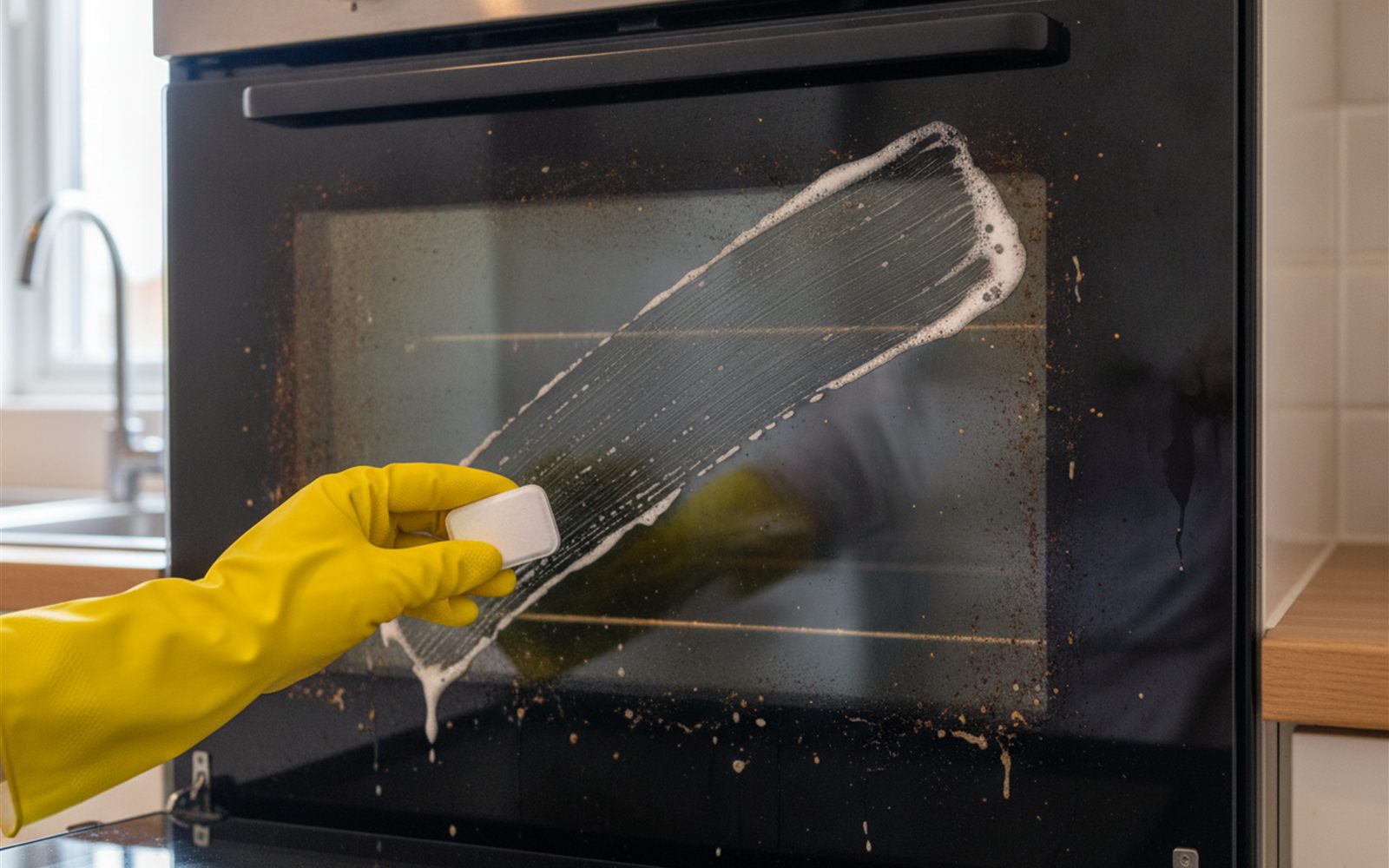
We Checked the Dishwasher Tablet Oven Door Trick Everyone Is Filming
The viral scrub really can clear years of baked on grime, if you follow one temperature rule.
Fold once this way and never dig through a messy drawer again.
The internet swears that one small folding change can double what your dresser holds, and that you will never lose a shirt at the bottom of a drawer again. We dug into where the claim comes from and what actually happens when you try it.
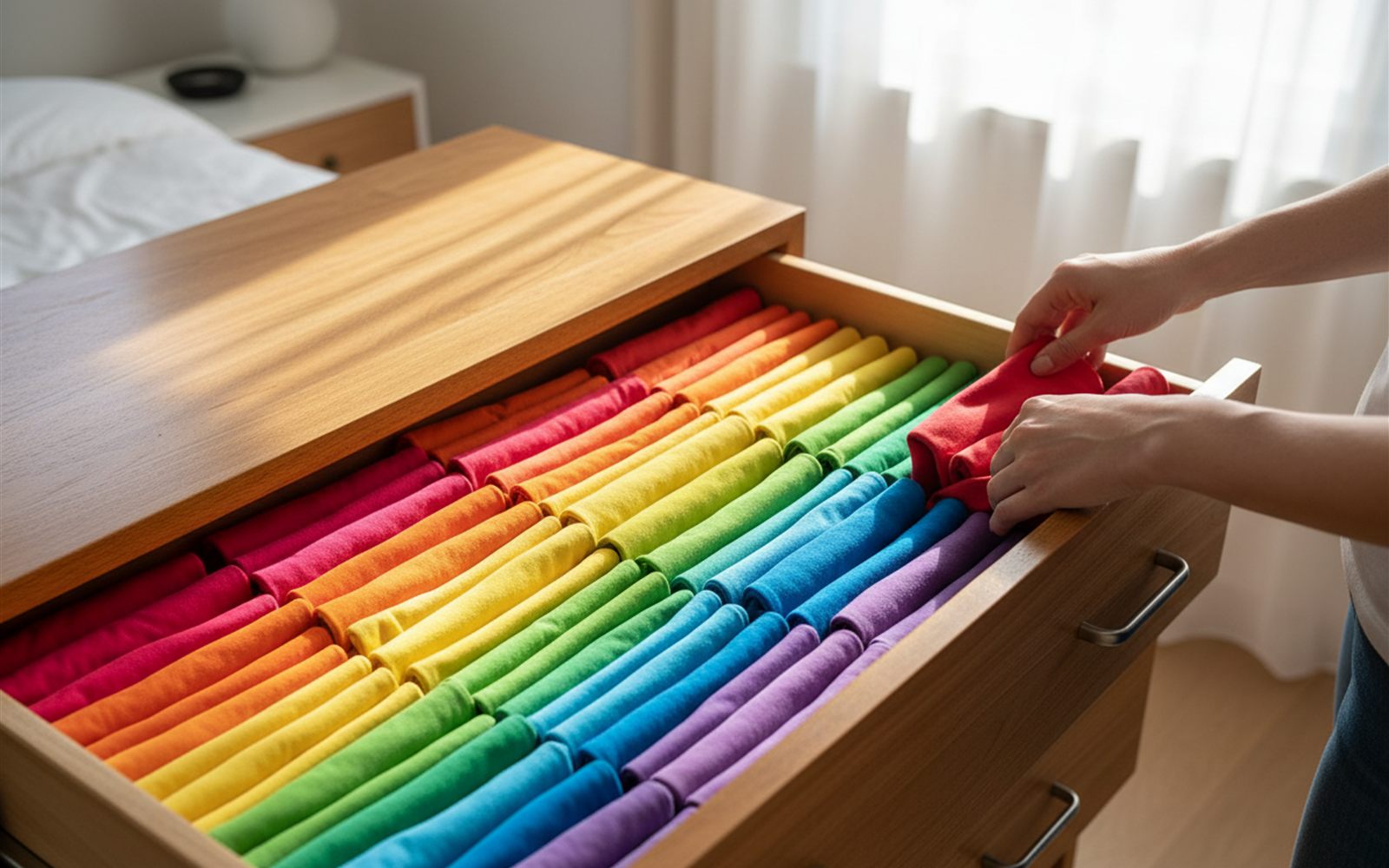
The technique is called file folding, and it was made famous by tidying expert Marie Kondo as part of her KonMari method. Instead of stacking clothes flat like pancakes, you fold each piece into a compact rectangle that stands on its edge, so the drawer looks like a card file.
A flat stack wastes a drawer in two ways. You can only see the top item, and the loose pile traps air gaps everywhere, so the drawer fills up long before the fabric does.
Standing folded rectangles on edge fixes both. Every shirt faces up where you can see it, and the folds compress each piece into a dense little packet that holds its shape. Professional organizers point out a bonus that surprises people: fewer wrinkles, because nothing sits crushed under the weight of the pile.
Works with caveats. If your drawer currently holds a jumbled heap, filing the same clothes upright frees a startling amount of room, and it is the difference the viral before and after photos are showing. If you already keep neat flat stacks, the space gain is smaller, and the real win is being able to see everything at a glance.
The caveats are honest ones. The fold takes practice before it feels fast. Thin, slippery fabrics do not stand well on their own, so half empty drawers need a shoebox or divider to keep rows from flopping. And the system only stays tidy if you keep folding this way on laundry day.
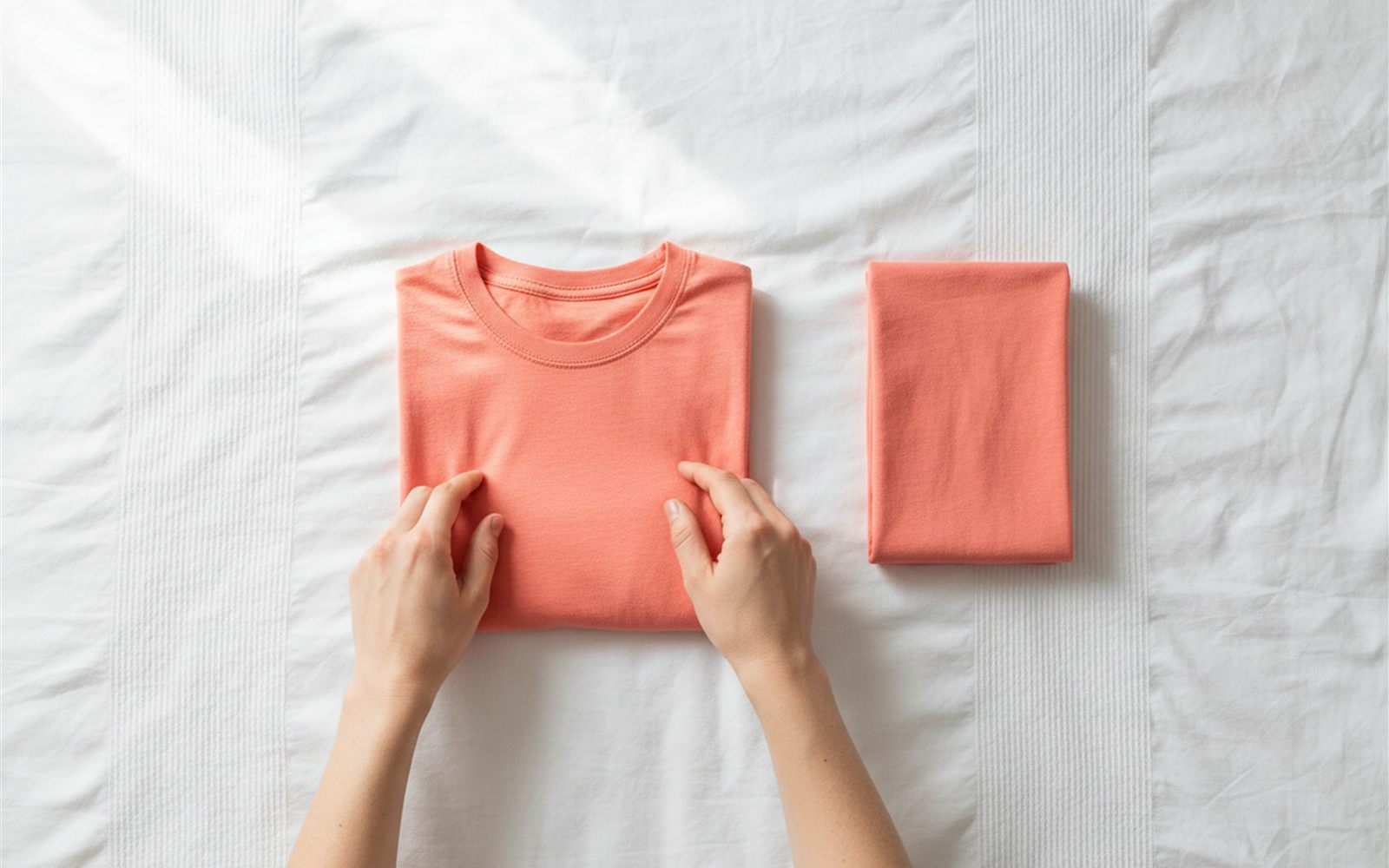
Here is the standard fold for a T shirt, straight from the KonMari playbook.
Before: a mounded drawer that barely closes, with last summer’s shirts buried and forgotten at the bottom.
After: every shirt visible in one glance, rows with room to spare, and nothing gets crushed.
The T shirt is the training wheels. The same logic, fold to a rectangle sized to stand just below the drawer rim, adapts to the whole wardrobe, and the KonMari guides spell out the variations.
Jeans and heavy pants are the easiest converts. Fold them in half lengthwise, tuck the seat corner in so the sides run straight, then fold in thirds. Denim is thick enough that the packet stands like a brick, which is why converts report the biggest space gains in the pants drawer.
Sweaters and thick knits want a gentler version: fewer folds and a looser packet, so the fibers never crease hard. The bulkiest ones are the exception to the whole system, and even Kondo’s own guidance allows soft stacking or a shelf for knits too thick to file politely.
Socks get the most surprising rule: stop balling them. Flipping one sock over its partner stretches the cuff a little every time, which is why the method folds pairs flat into thirds instead, standing them in a small box like sushi rolls. Underwear and leggings fold the same way, small rectangles in thirds, and suddenly the sock drawer holds double.
Dress shirts, dresses and anything that wrinkles if you look at it wrong stay on hangers. File folding is for the drawer crowd, not the closet crowd.
Rows need bumpers, and this is where the internet tries to sell you things you may not need. Kondo’s own recommendation is the free version: shoeboxes and their lids, which happen to be nearly perfect drawer sized bins. Most drawers can be fully organized for zero dollars with boxes you were about to recycle.
The paid upgrades exist for people who want them. Spring loaded dividers like the Dream Drawer organizers run about ten to eighteen dollars at The Container Store, and expandable bamboo or plastic divider sets sit in the same range online. They look nicer than shoeboxes and adjust to fit, but they organize exactly as well. Compare either number to the cost of the bigger dresser you thought you needed, and the fold starts looking like the cheapest furniture upgrade in the house.
Plenty of viral organizing systems die within a month, so it is fair to ask why this one keeps its converts. The people who study tidying point to a few quiet reasons.
Visibility beats memory. Professional organizers lean on a simple rule: what you cannot see, you do not wear. A file folded drawer turns getting dressed into reading a menu, and people report rediscovering clothes they had mentally lost, which also means fewer accidental rebuys of the gray T shirt they already own three of.
Taking one thing out does not disturb the rest. In a stack, the shirt you want is load bearing, and extracting it wrecks the pile. In a file, every packet slides out alone, so the system survives actual daily use instead of only surviving photos.
And the drawer reports its own status. A collapsed row is visible the moment you open it, a thirty second fix. A messy stack hides its chaos until the day it avalanches. Systems that show their problems early are the ones that last.
Fans, and there are a lot of them, say the visibility is what hooks them, because getting dressed stops involving an excavation. Converts report the biggest gains with bulky items like sweaters, jeans and thick T shirts.
The split shows up over the long haul. Some people fold this way for years and never go back, while others find the folding slower than their old habit and drift back to stacks. Almost everyone agrees on one thing: rows collapse in a drawer that is mostly empty, which is why organizers keep recommending small boxes as bumpers.
Two more low effort upgrades from around the house:
Fold it so it stands, and the drawer finally works like a menu instead of a mystery pile.
The viral scrub really can clear years of baked on grime, if you follow one temperature rule.
The viral trick promises free iron and pest control, but soil scientists say your plants never get the memo.
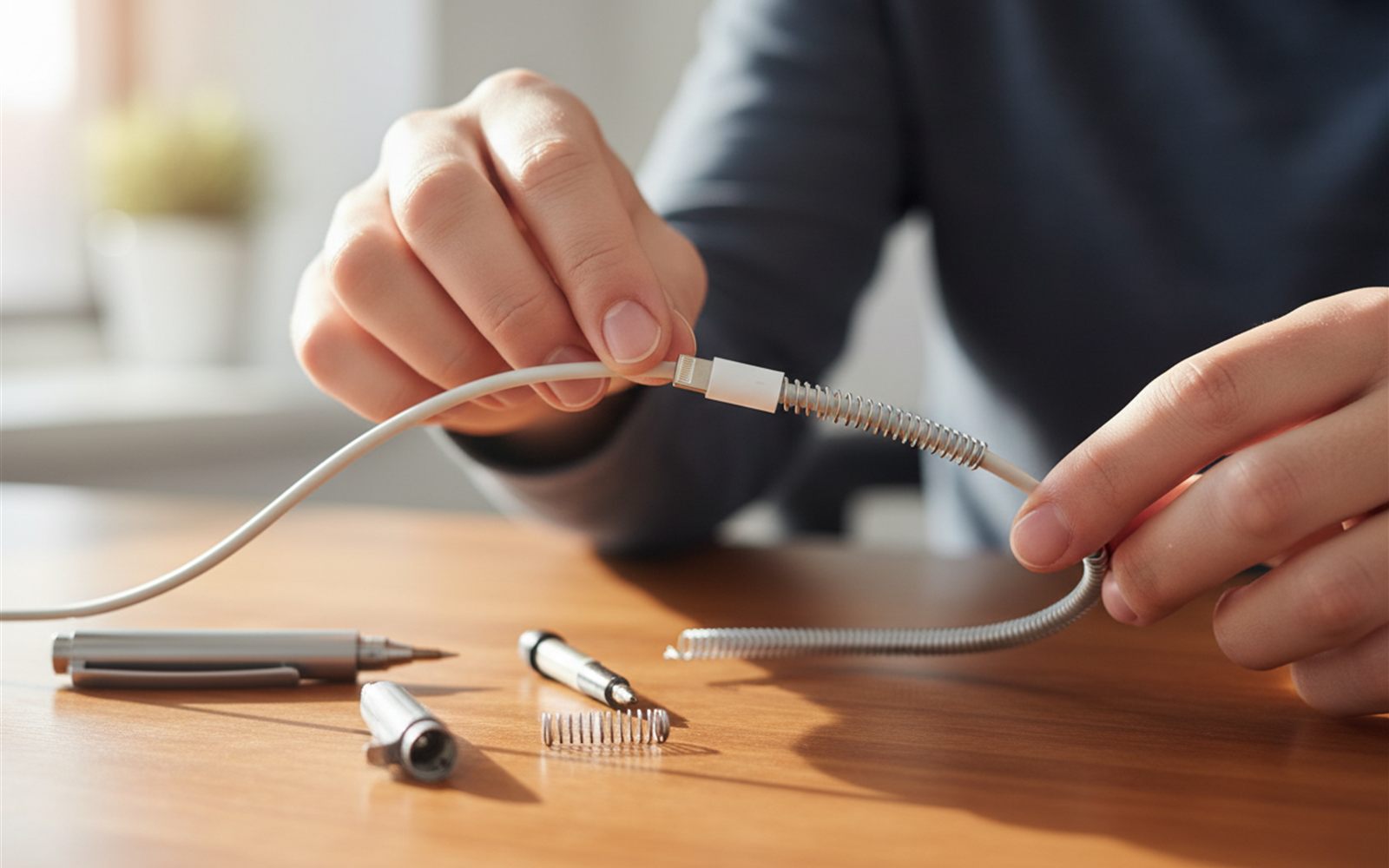
A pen spring and some heat shrink tubing keep cheap chargers alive for years, and the fix takes minutes.