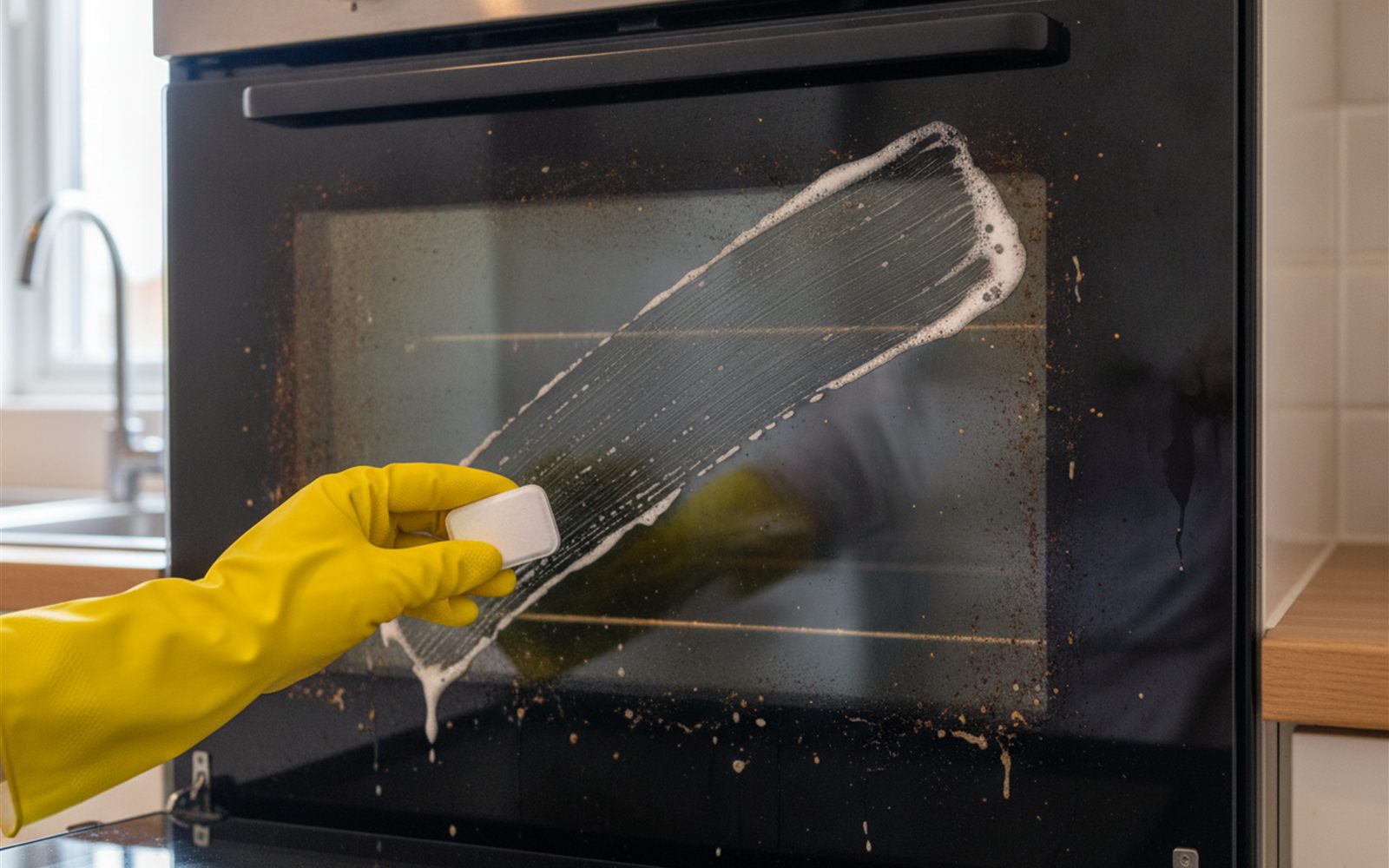
We Checked the Dishwasher Tablet Oven Door Trick Everyone Is Filming
The viral scrub really can clear years of baked on grime, if you follow one temperature rule.
Slug studies gave copper barriers a real test, and the results depend on one detail most gardeners skip.
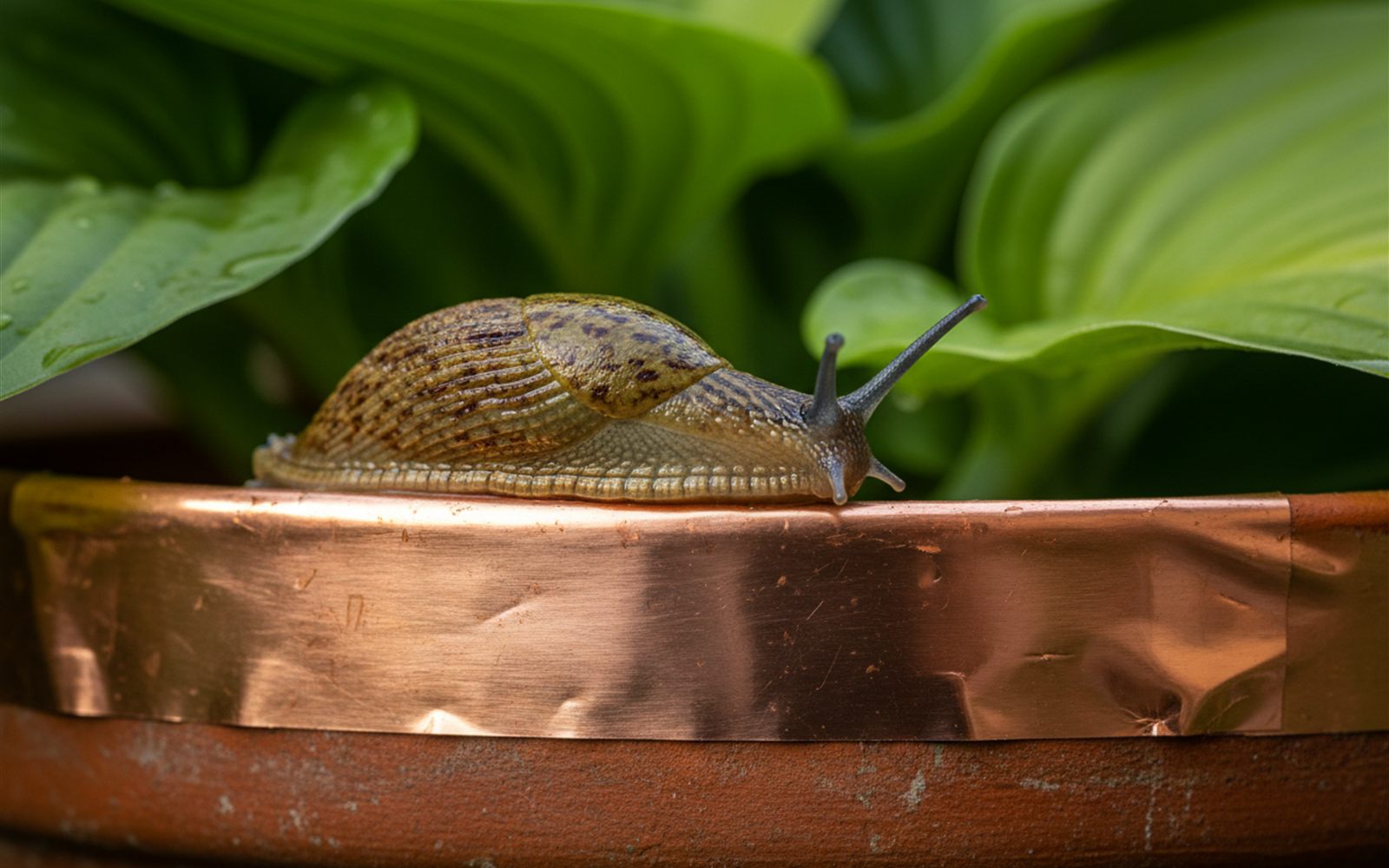
The claim has been passed around allotments forever: ring your hostas with copper pennies, or wrap pots in copper tape, and slugs will turn back at the border like it is electrified. Researchers have actually put copper to the test, more than once, and the results are messier and more interesting than the legend.
Copper reacts with a slug’s wet mucus, and the popular explanation is that the slug gets a tiny unpleasant jolt, something like licking a battery. Garden stores took it from there, and copper tape, rings, and mesh became standard slug aisle products. The penny version is the free at home spin.
The reaction is real: contact with copper visibly bothers many slugs, and researchers describe an electrochemical response to the metal touching their slime. But bothered is not blocked. Whether a slug turns around depends on how wide and clean the copper is, how motivated the slug is, and whether there is a leaf bridge over the barrier.
The detail that decides everything is dose. A slug crossing a wide, bright band gets the full unpleasant reaction. A narrow or tarnished strip delivers a fraction of it, because the oxide layer on old copper insulates the metal like a glove. And a slug’s slime is itself a shield: the Royal Horticultural Society points out that the thick mucus lets slugs glide over surfaces that look impossible, which is how they cross gravel and crushed shells without a scratch.
Works with caveats, and the caveats are big. In a University of Hawaii evaluation of nonchemical barriers, copper tape was among the most effective options tested when mounted on a vertical surface, and container gardeners have leaned on that result for years. But when the Royal Horticultural Society ran a garden realistic trial of popular home remedies on lettuce, including copper tape barriers, plants with barriers ended up just as chewed as plants without. Robert Pavlis of Garden Myths filmed slugs gliding straight across pennies and copper without flinching.
The pattern across the evidence: a wide, bright band of copper on a pot or raised bed rim can turn away some slugs, especially small ones. A scatter of pennies does nothing, and modern American pennies are mostly zinc with a thin copper coat anyway. Tarnished, dirty, or narrow copper loses whatever punch it had, and any leaf hanging over the edge is a free bridge.
The RHS trial is worth a closer look, because it was built to match a real garden. Researchers grew lettuce for six weeks behind five popular home barriers: copper tape, horticultural grit, pine bark mulch, wool pellets, and crushed eggshells. Then they measured what fraction of the leaves got eaten. Every barrier bed was chewed as badly as the unprotected bed. The comic twist, reported in the trial coverage: the wool pellet and bark beds grew bigger lettuces anyway, because the barriers turned out to be decent mulch and fertilizer while failing completely as fences.
The Hawaii work points the other way for one narrow case, and the difference is geometry. Copper mounted as a clean vertical band, the way you would wrap a pot or a bench leg, forces full contact with a slug’s foot. Copper lying in the dirt does not. So both results can be true at once: copper the wall works sometimes, copper the doormat never does.
If the lettuce is disappearing tonight, here is the toolbox in the order the evidence supports it.
| Method | The verdict | The catch |
|---|---|---|
| Iron phosphate bait | Oregon State University Extension reports it works as well as the harsh old baits while being far safer around kids and pets | Needs reapplying after heavy rain |
| Evening handpicking | Free, immediate, and brutally effective on the slugs actually present | Requires a flashlight habit and a strong stomach |
| Nematodes | A biological control that keeps working in wet weather | Works best on small soil dwelling species, not the giants |
| Encouraging predators | Birds and ground beetles patrol for free, and the RHS now steers gardeners here | A slow build, not a rescue |
| Beer traps | Catch real slugs every night | Tiny radius, constant refilling, and they miss most of the population |
| Copper tape on pots | A genuine speed bump when wide, clean, and bridged by nothing | All three conditions, forever |
One number explains why barriers alone always disappoint: as garden writer Ann Lovejoy reports, more than 90 percent of a slug population is underground at any moment. A perfect fence still leaves you sharing the bed with the majority that never crossed it.
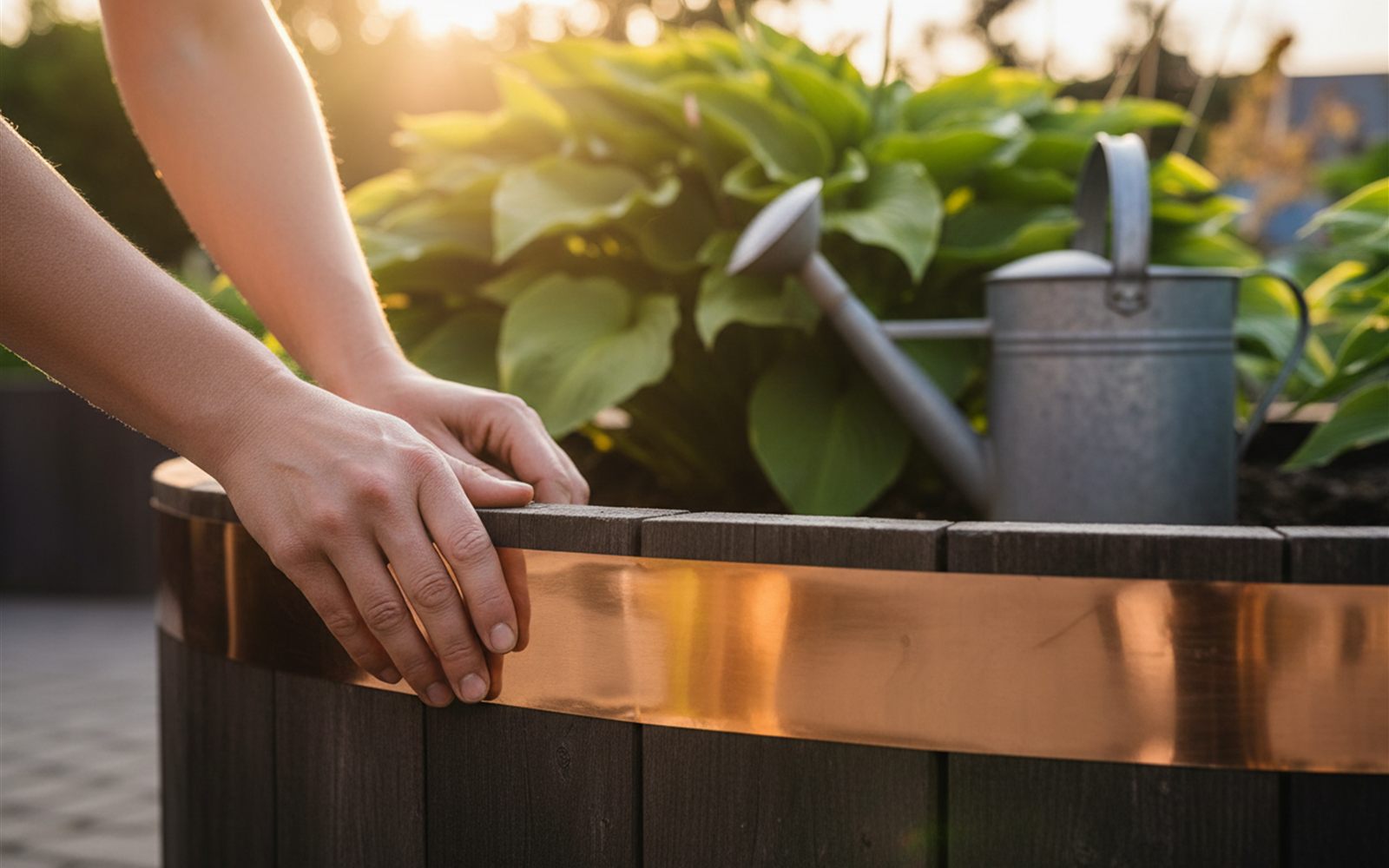
Before: pennies scattered around the hostas, and lace where the leaves used to be.
After: wide clean tape on the pot rim, no leaf bridges, and seedlings that finally make it past the first week.
Sentiment splits cleanly by setup. Container and raised bed gardeners are the believers, reporting that taped pots stayed clean while ground beds got hammered, though the tape needs replacing every few seasons. Open bed gardeners are the skeptics, and plenty describe watching a slug cross copper on video before giving up on it. Nobody has much good to say about pennies.
Copper is a speed bump, not a wall. Build it wide, keep it clean, and let it be one layer of your defense.
The viral scrub really can clear years of baked on grime, if you follow one temperature rule.
The viral trick promises free iron and pest control, but soil scientists say your plants never get the memo.
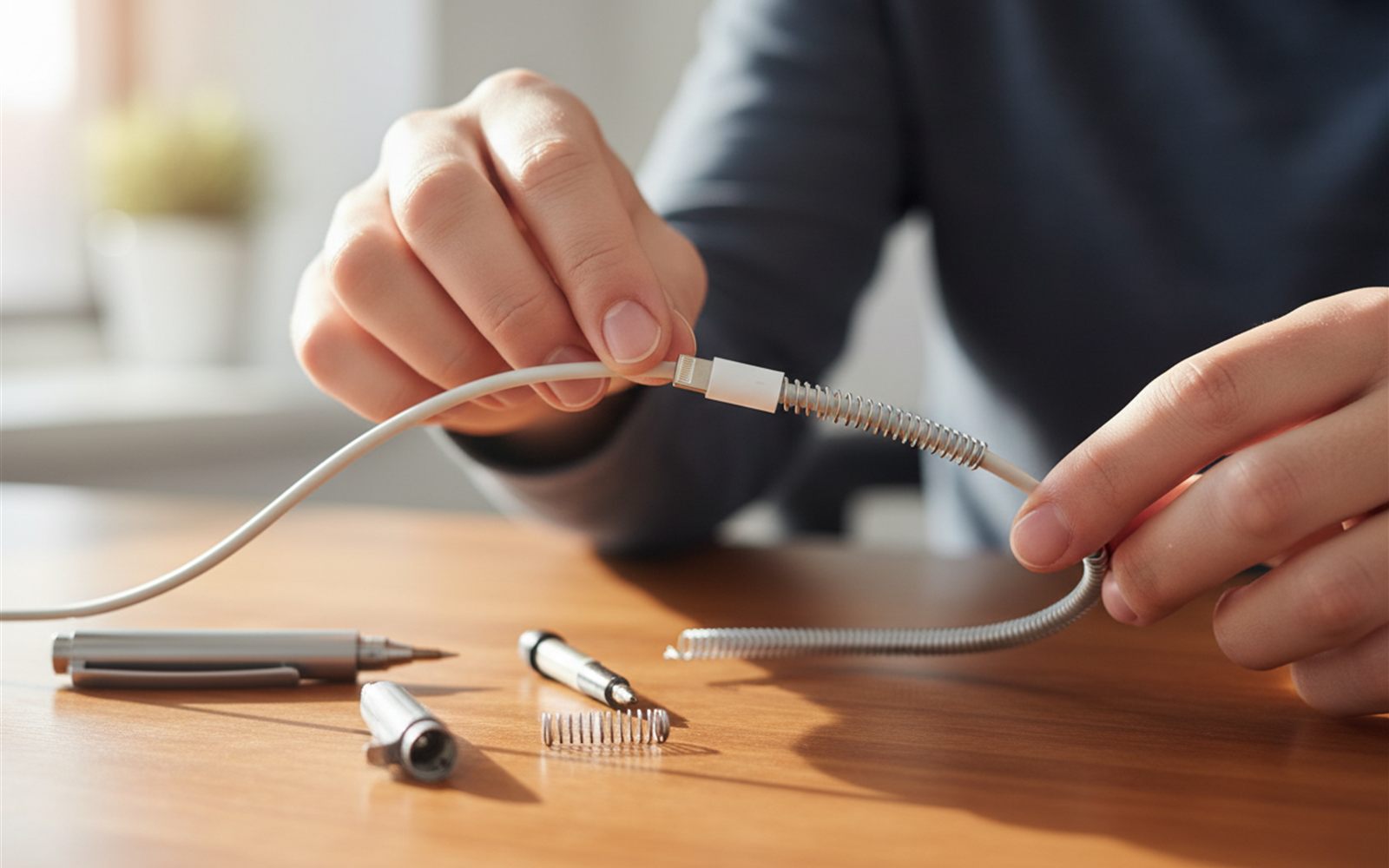
A pen spring and some heat shrink tubing keep cheap chargers alive for years, and the fix takes minutes.