We Checked the Dishwasher Tablet Oven Door Trick Everyone Is Filming
The viral scrub really can clear years of baked on grime, if you follow one temperature rule.
Used grounds can feed your soil or choke your seedlings, and the difference comes down to how you apply them.
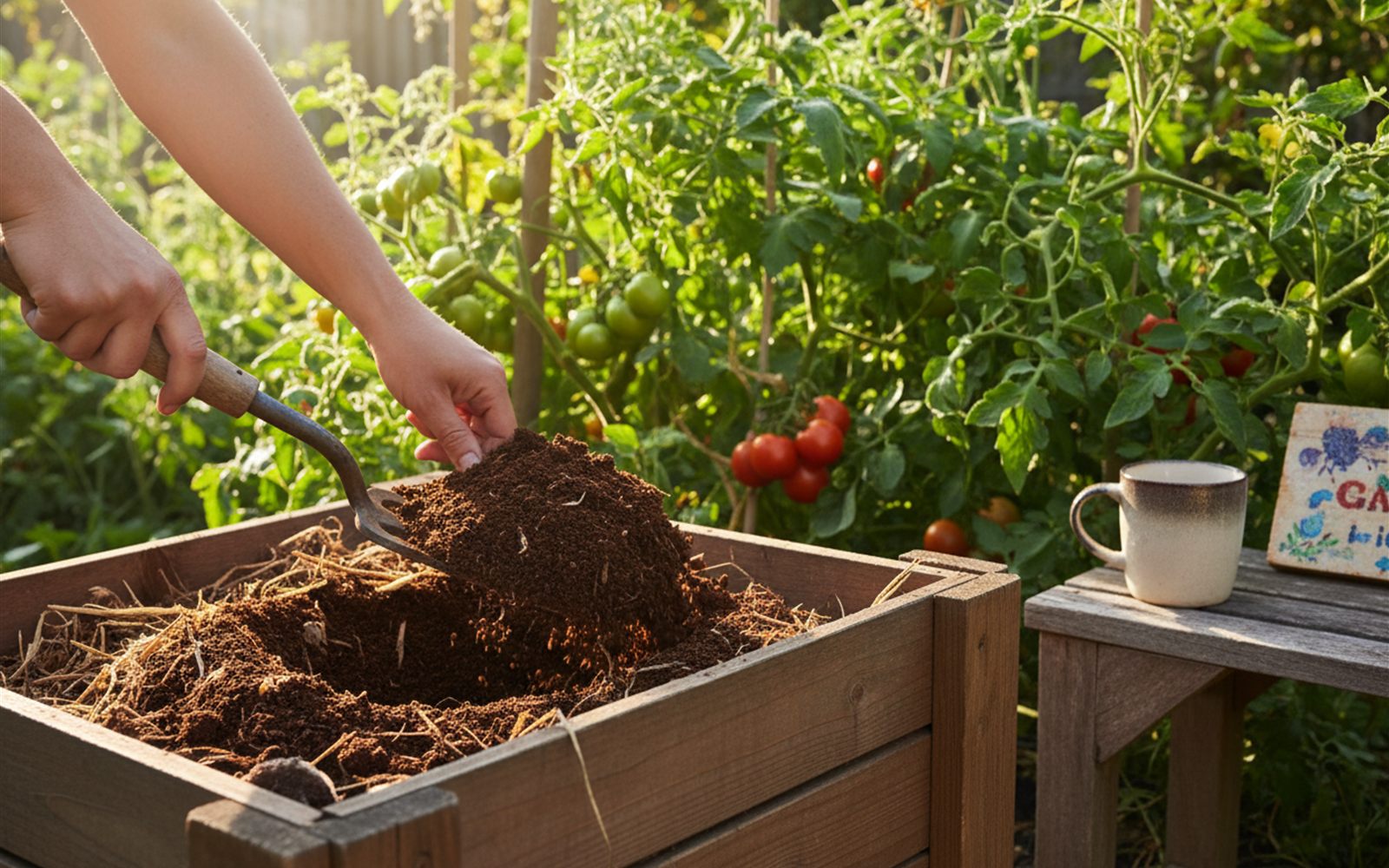
Coffee shops hand out used grounds for free, and the internet says to pour them on everything: they feed plants, acidify soil, and repel slugs. Extension researchers have studied all three claims, and the truth is that grounds are genuinely good for a garden, right up until they are used the popular way.
The trick took off for the best reason: free stuff in gardening is irresistible, and Starbucks has run a grounds giveaway program since the 1990s. Grounds are organic matter with about 2 percent nitrogen, so the instinct is not crazy. The myths grew from there.
A Washington State University Extension fact sheet that reviewed the published research found the details matter. Fresh grounds contain caffeine and other compounds that suppress seed germination and can stunt young plants, a leftover of coffee’s own chemical warfare against competing plants. Grounds spread thick also dry into a water shedding crust, and as microbes digest them they temporarily borrow nitrogen from the surrounding soil. The acidity claim mostly evaporates too: the acid went into your cup, and used grounds test near neutral, so they will not reliably blue your hydrangeas. Even the slug story is stretched. A famous study in the journal Nature found caffeine solutions killed slugs, but those were concentrated sprays, far stronger than anything left in spent grounds.
This is the paradox that confuses everyone, and the answer is a loan. The WSU review puts the carbon to nitrogen ratio of used grounds around 20 to 1, meaning every bite of nitrogen comes wrapped in twenty bites of carbon. The microbes that digest all that carbon need nitrogen to build their own bodies, and when the grounds cannot supply enough, they borrow it from the surrounding soil.
The microbes always repay the loan. When they die, the borrowed nitrogen returns to the soil along with everything the grounds contained. The problem is timing: your seedlings needed that nitrogen this month, during the exact weeks the loan was out. Established plants with deep roots barely notice. A tray of two week old lettuce notices completely.
Stack the caffeine on top and the seed bed becomes the worst possible address for grounds. Coffee plants evolved caffeine partly to suppress competing seeds on the forest floor, and it keeps doing that job in your garden long after the brew.
Works with caveats. Grounds are a legitimately good compost ingredient and a fine light amendment around established plants. They backfire as a seed bed topping, a thick mulch, or a soil acidifier. Oregon State University Extension’s advice sums up the evidence: valuable in moderation, best routed through the compost pile.
Compost is where the nitrogen loan gets repaid on schedule, because the pile is the bank. The working numbers, from the WSU fact sheet and university composting guides, are simple.
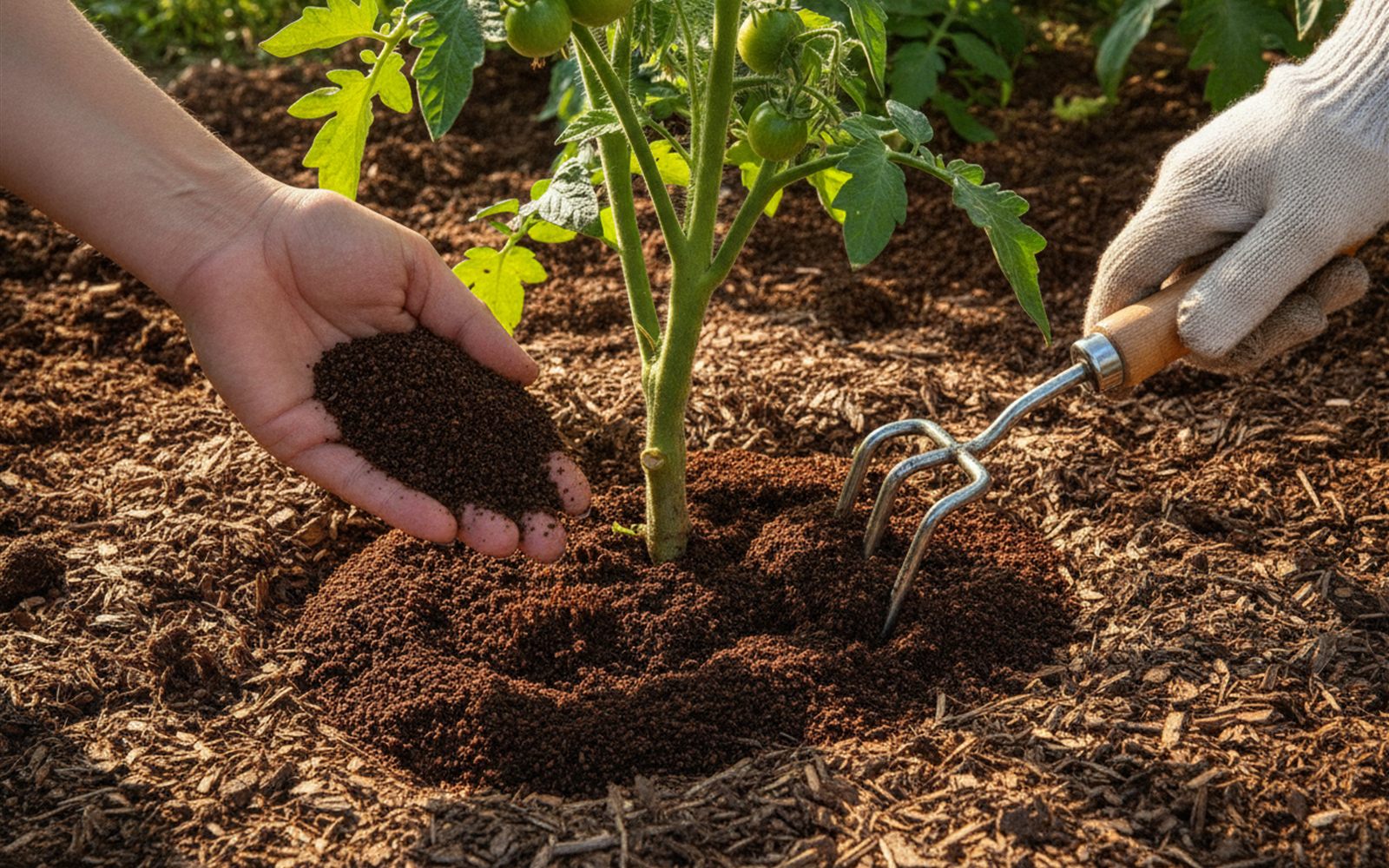
Before: a thick coffee blanket over a freshly seeded bed, spotty germination, and water beading off a stale crust.
After: grounds feeding the compost, a thin worked in layer around the tomatoes, and seedlings that actually show up.
Gardener sentiment matches the studies almost perfectly. Composters call grounds one of their favorite free inputs and say worms seem to thrive around them. Growers who mulched seedlings or seed trays with grounds tell the opposite story, describing poor germination and stalled starts, and people who tried to acidify beds report their pH meter never moved. The happy reports almost always involve moderation and established plants.
Coffee grounds are like coffee: the right dose is a boost, and too much keeps everything from sleeping soundly.
The viral scrub really can clear years of baked on grime, if you follow one temperature rule.
The viral trick promises free iron and pest control, but soil scientists say your plants never get the memo.
A pen spring and some heat shrink tubing keep cheap chargers alive for years, and the fix takes minutes.