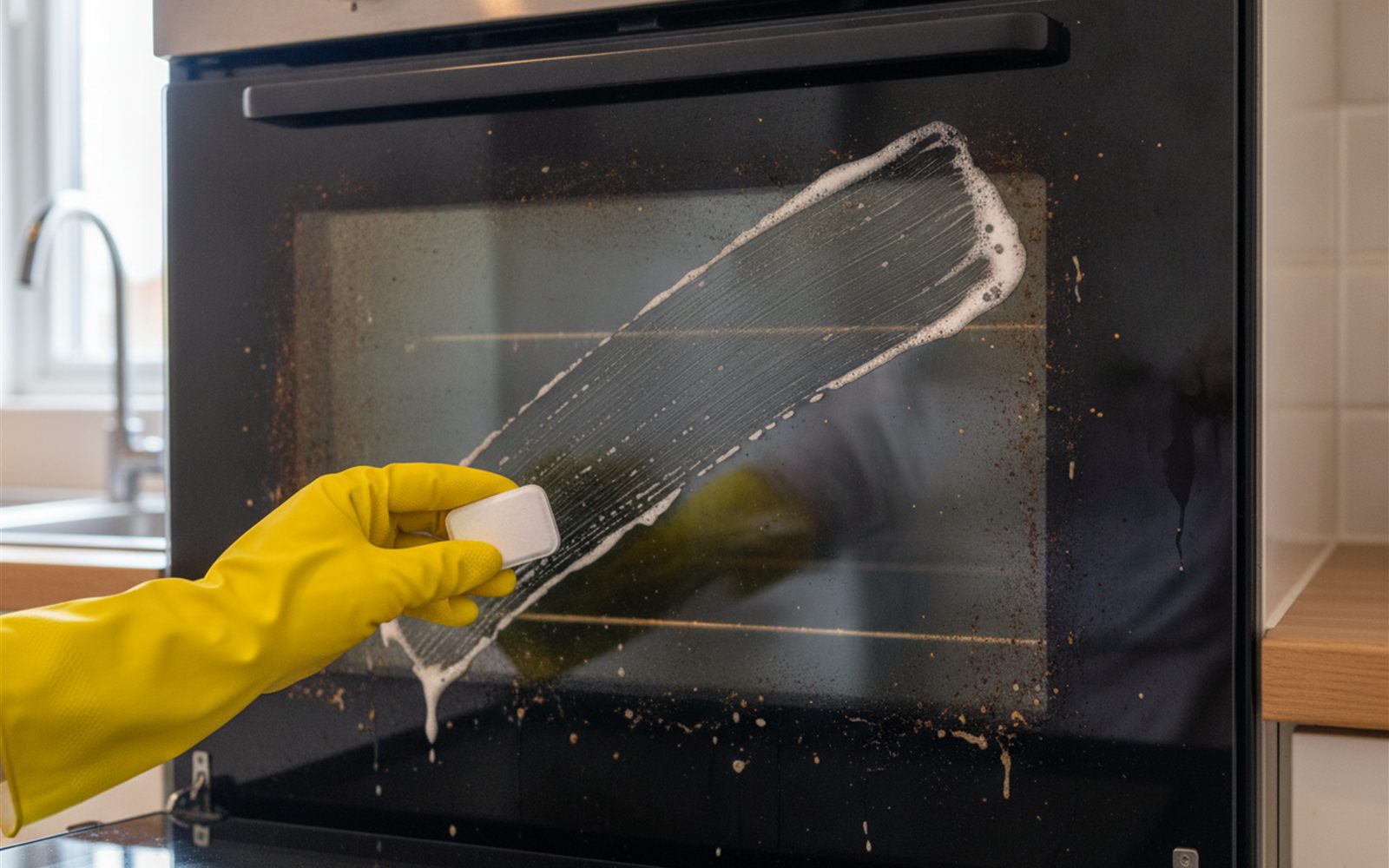
We Checked the Dishwasher Tablet Oven Door Trick Everyone Is Filming
The viral scrub really can clear years of baked on grime, if you follow one temperature rule.
Some banana peel tricks are genuinely useful and some just feed the fruit flies, so we sorted them.
According to the internet, a banana peel is a shoe polish, a leaf polish, a fertilizer tea, and a rose booster, all before it hits the trash. We checked each claim against what horticulturists actually say, and the results split neatly into keepers and skips.
Peels really are loaded: potassium, calcium, magnesium, phosphorus, all nutrients plants need. Add the fact that the inside of a peel is slightly oily and waxy, and you can see how the whole family of tricks was born. The problem is the gap between containing good stuff and delivering it.
Those nutrients are locked inside plant tissue, and they only become plant food when microbes break the tissue down. Soaking a peel in water for a day or two extracts very little, which is why a horticulturist at Costa Farms, asked about the viral banana water trend, said plants hungry for potassium are far better served by an actual fertilizer with known amounts. What the soak water does contain is sugar, and sugary water grows mold and recruits fruit flies and fungus gnats. The buffing tricks work on different logic entirely: the peel’s inner surface carries natural oils that can be rubbed into leather like a mild conditioner.
Works with caveats, because the peel earns its keep in some jobs and flops in others. Here is each use, a level deeper.
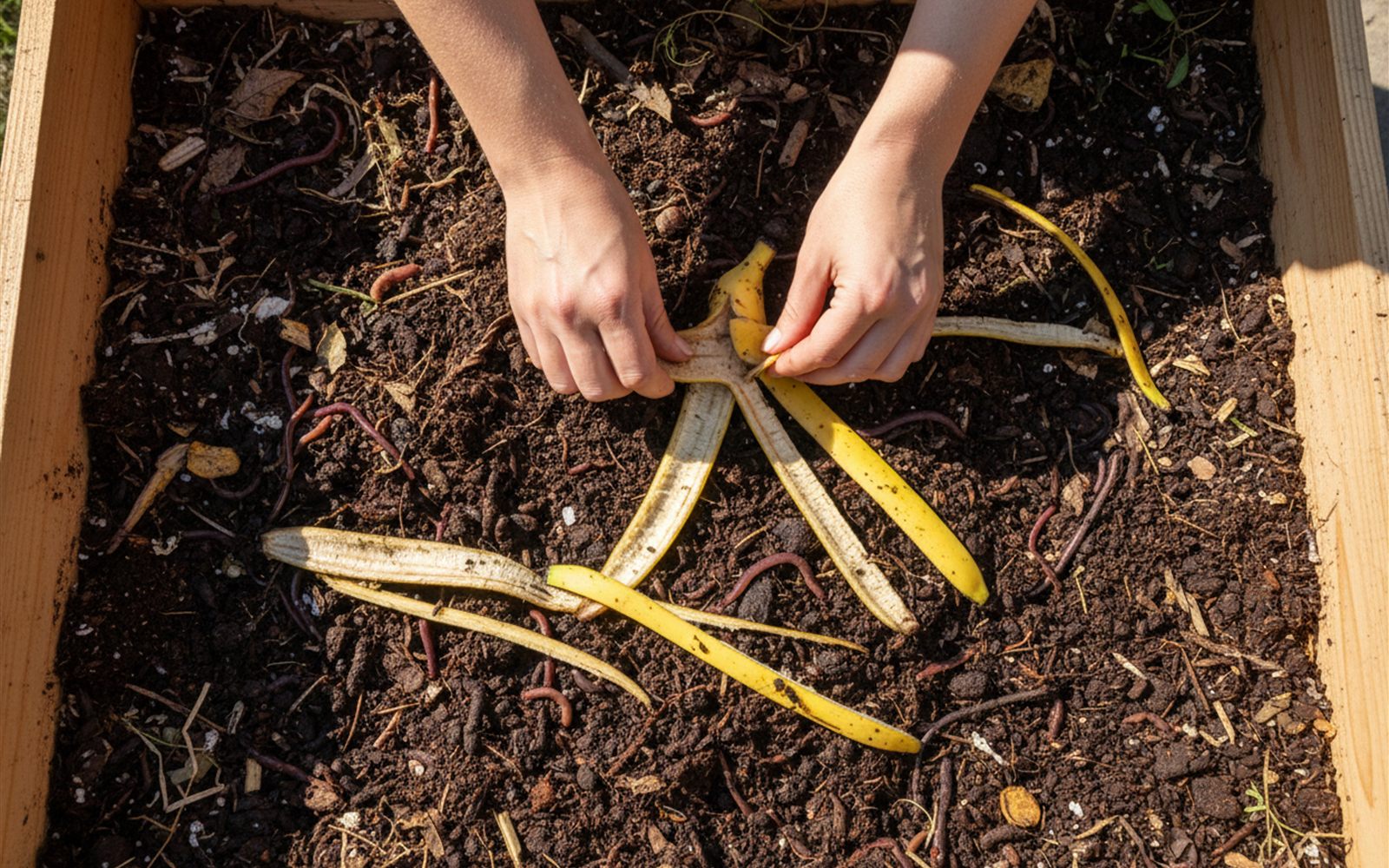
Compost and worm bins: works. Peels are a fast rotting, potassium rich green that any pile or worm bin turns into real fertilizer. Torn into pieces, a peel disappears in weeks, and the potassium comes back out the other end in a form roots actually use. This is the one job where every expert and every forum agrees.
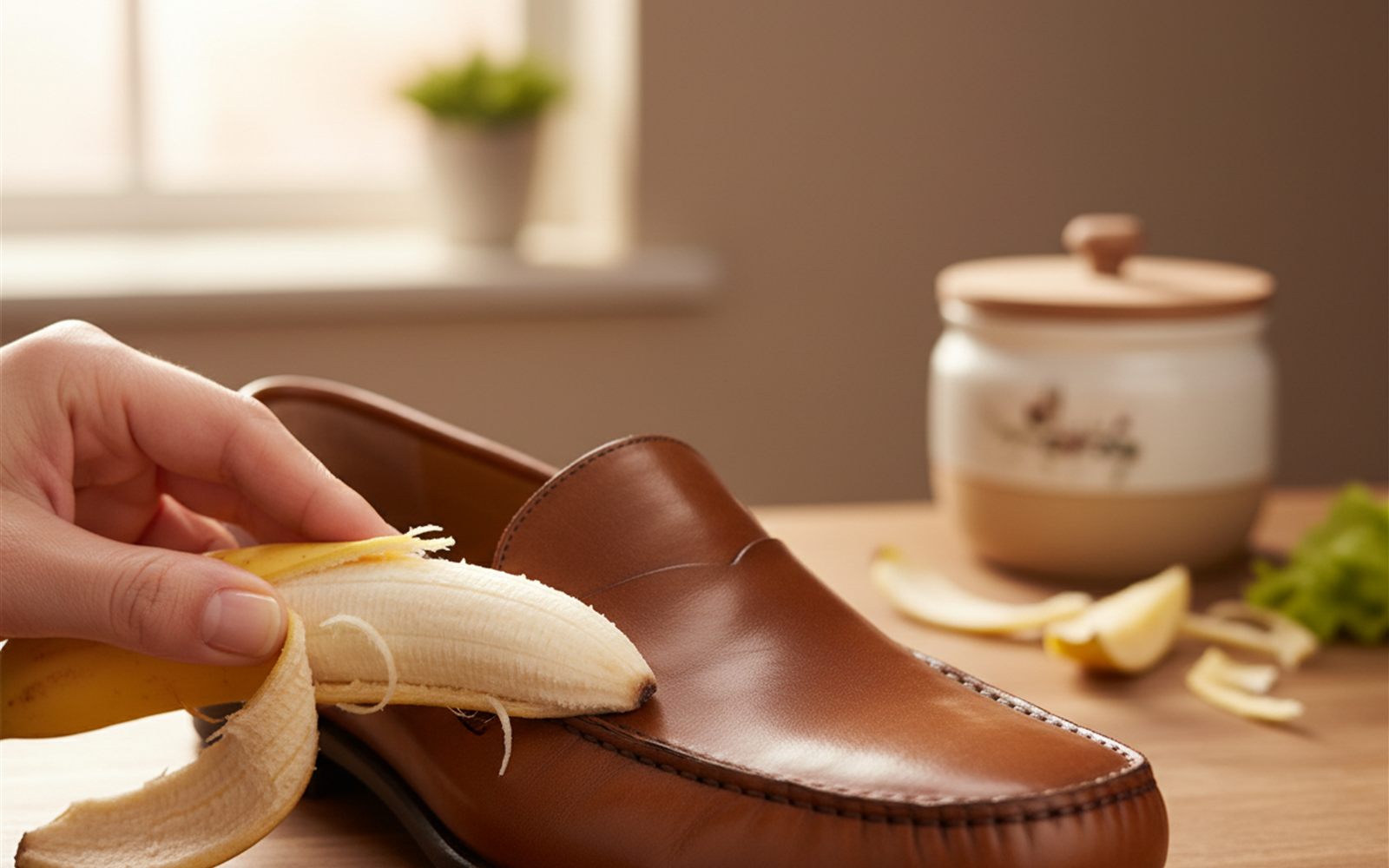
The two minute shoe buff: works in a pinch. The inner peel deposits oils that shine dull leather. It is a touch up, not a substitute for polish, and it needs a cloth buff after so your loafers do not smell like a smoothie. Stick to smooth finished leather: suede and anything unfinished will drink the residue and show it.
Banana peel water: mostly skip. Little nutrition gets extracted, and the pest and mold risk is real, especially indoors. The full mechanics are below, because this is the version racking up the views.
Whole peels buried by plants, and peel wiped houseplant leaves: skip. Buried peels rot slowly and invite diggers and flies, and the sugary film left on leaves attracts the very pests you were wiping away. A damp cloth cleans leaves better, and the compost bin turns the same peel into something useful.
If peels are full of potassium, why does soaking them accomplish so little? Because the potassium is locked inside cell walls that only decomposition opens. The keys are fungi and soil microbes, and a jar of tap water on a windowsill contains neither. The writers at Gardening Know How went looking for studies behind the viral trend and came up empty: no published evidence that a day or two of soaking pulls meaningful nutrition out of a peel.
What does leach out is sugar, and sugar is the trick’s hidden cost. In the jar it feeds mold. Around the roots it feeds a temporary bloom of microbes that borrow soil nitrogen while they feast, which means the tonic can briefly take food away from the plant. The one honest variation: fully dry the peels, grind them to powder, and add that to compost or beds, where microbes can do the unlocking properly. The same sites that debunk the soak point to drying and grinding as the version worth keeping.
Banana water feels free, but you were going to eat the banana anyway, and the peel already had a paying job waiting in the compost bin. Meanwhile a bottle of balanced liquid houseplant food with known amounts on the label runs about $6 at Home Depot and feeds at label strength all season. The real price of the jar trick is the cleanup: fungus gnat infestations are the single most common regret in houseplant forums, and gnats cost you sticky traps, soil swaps, and patience. Free that backfires is more expensive than $6 that works.
Before: a jar of murky banana water on the windowsill with a halo of fruit flies, and dull shoes by the door.
After: peels quietly becoming compost, gnat free windowsills, and loafers with a respectable two minute shine.
Houseplant forums are littered with banana water regrets, with fungus gnats and funky smells as the recurring theme, while the minority who defend it mostly admit they cannot separate its effect from regular care. Composters are unanimous that peels are great material. The shoe trick has genuine fans who call the result a decent quick shine, with the universal note that the buffing step is not optional.
The peel was never magic. It is just good compost that occasionally moonlights as shoe polish.
The viral scrub really can clear years of baked on grime, if you follow one temperature rule.
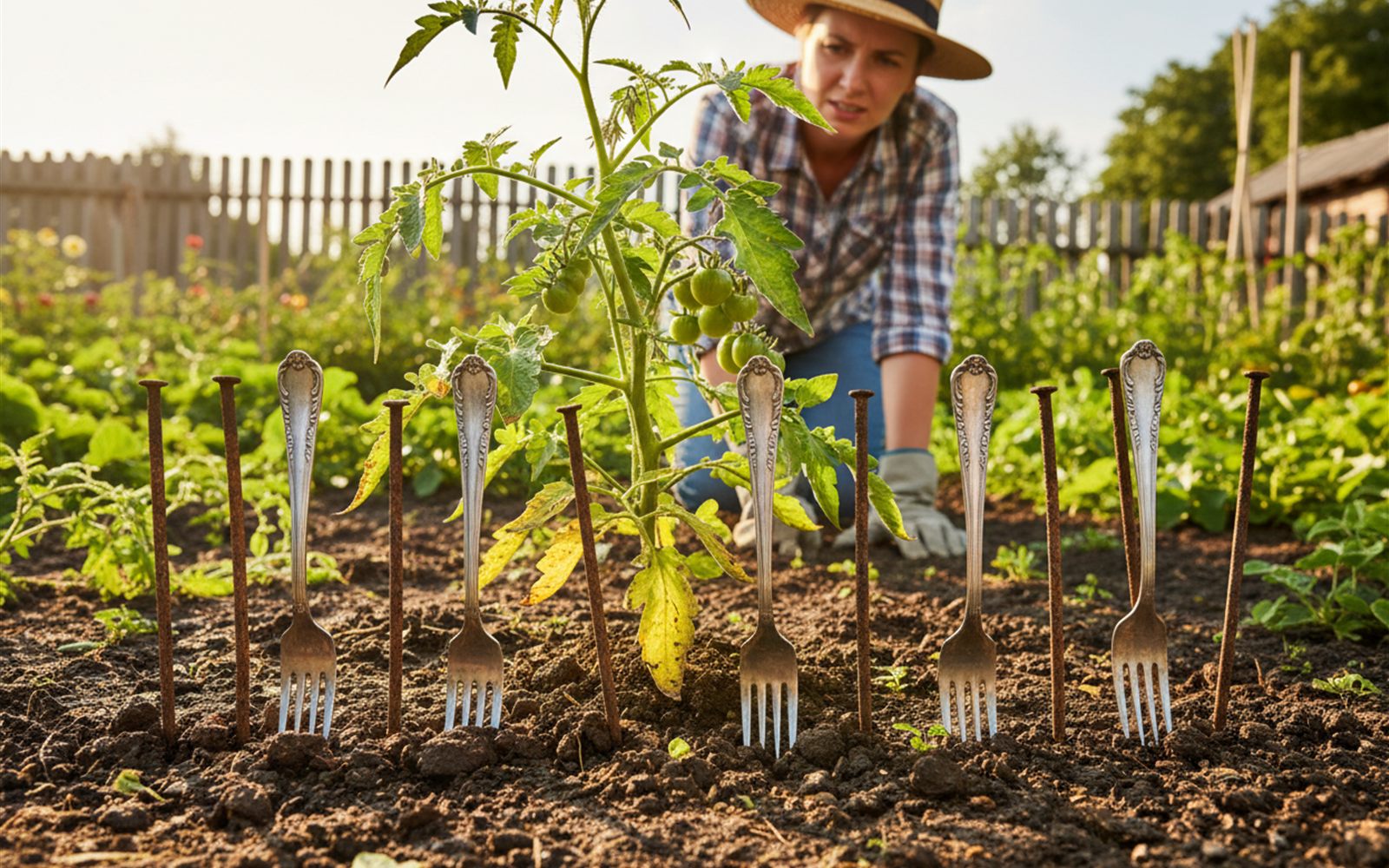
The viral trick promises free iron and pest control, but soil scientists say your plants never get the memo.
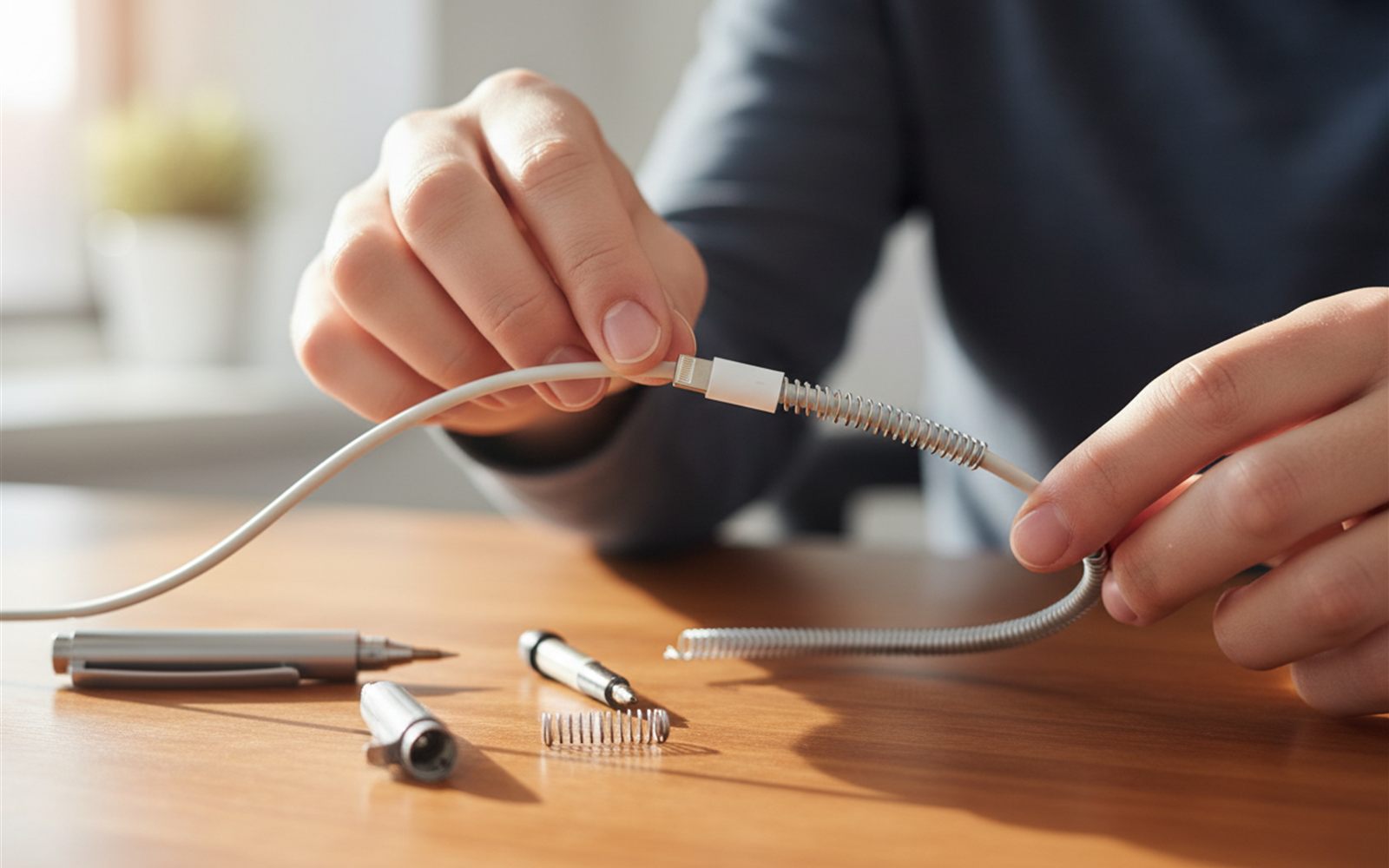
A pen spring and some heat shrink tubing keep cheap chargers alive for years, and the fix takes minutes.