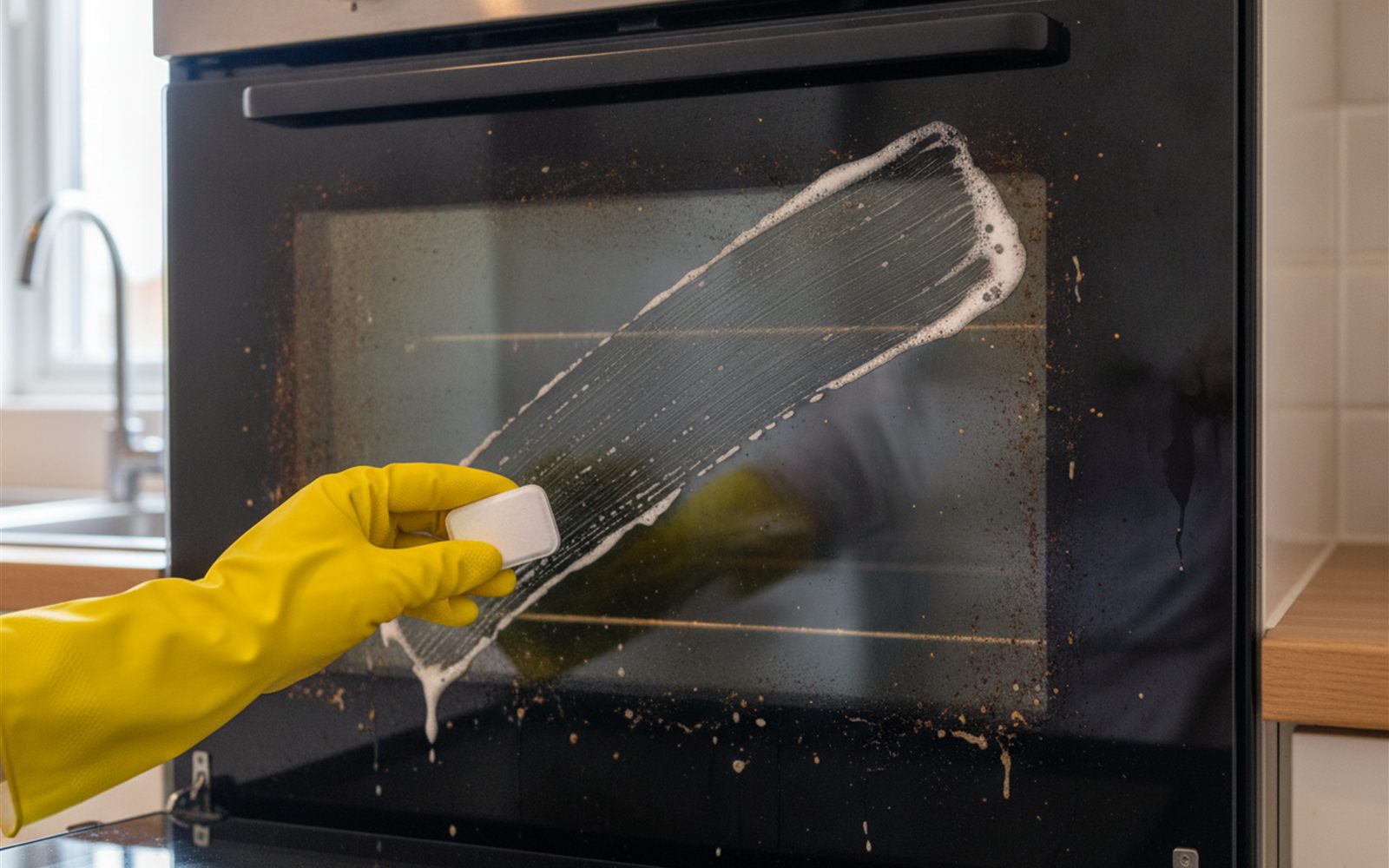
We Checked the Dishwasher Tablet Oven Door Trick Everyone Is Filming
The viral scrub really can clear years of baked on grime, if you follow one temperature rule.
Crushed shells will not save your tomatoes this summer, but there are two ways to make them count.
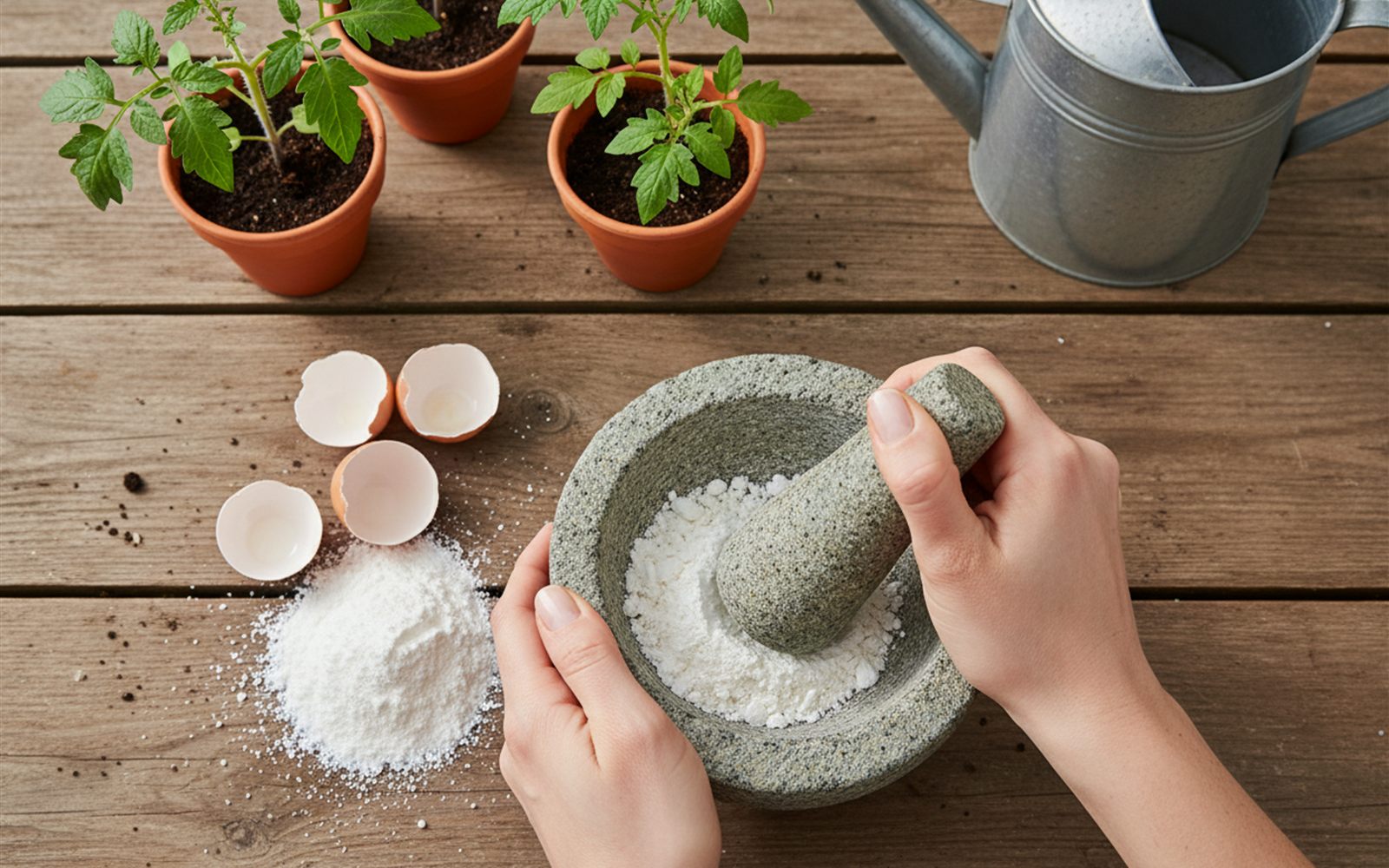
The advice gets repeated every spring: toss crushed eggshells into the planting hole and your tomatoes will never get those ugly black bottoms again. We checked what extension researchers actually found, and the honest answer is that shells are a genuinely useful amendment being sold as a quick fix they cannot deliver.
Eggshells are about 95 percent calcium carbonate, the same mineral as garden lime. Blossom end rot, the sunken black patch on tomatoes and peppers, is a calcium problem. So the folk logic writes itself: shells contain calcium, therefore shells cure rot. Two true facts, one wrong conclusion.
Coarse eggshell pieces dissolve incredibly slowly. University of Illinois Extension reporting found coarsely crushed shells produced no measurable rise in available soil calcium after a full season, and shells can take one to five years to fully break down. Meanwhile, extension offices from NC State to Mississippi State point out that blossom end rot usually is not a soil calcium shortage at all. Most garden soils hold far more calcium than a tomato can use. The real culprit is uneven watering, which interrupts the flow that carries calcium into the growing fruit. That is why shells in the hole so often change nothing: the calcium was already there, the delivery truck just kept stalling.
If the soil is full of calcium, how does the fruit still starve for it? Because calcium only travels in the plant’s water stream, and the fruit is the last stop on the route. Leaves pull water hard all day, so they get first claim. Skip a watering during a heat wave, and the trickle that reaches the swelling tomato stops entirely. A week later, the cells at the blossom end collapse into that familiar black leather patch.
That delivery detail also explains why the popular rescues fail. Clemson’s Home and Garden Information Center flags foliar calcium sprays as a myth for exactly this reason: calcium does not move from leaves into fruit, so spraying the plant feeds the wrong address. The fix has always been boring plumbing: steady, deep watering and mulch to keep the moisture from swinging.
Works with caveats. As a same season cure for blossom end rot, skip it and fix your watering. As a slow, free, long term soil amendment, shells are legitimate, with two upgrades that actually move the needle. Particle size is everything: shell powder ground fine behaves like lime and becomes plant available far sooner than jagged halves. And Korean Natural Farming growers go one step further, steeping shells in vinegar so the acid converts the carbonate into water soluble calcium plants can take up right away.
| Method | Speed | The verdict |
|---|---|---|
| Fine powder into compost or a worm bin | Months | The best home for shells. Worms use it as grit, the pile gets calcium, nothing is wasted |
| Fine powder worked into beds in fall | A season | Works as a slow lime substitute where a soil test wants calcium |
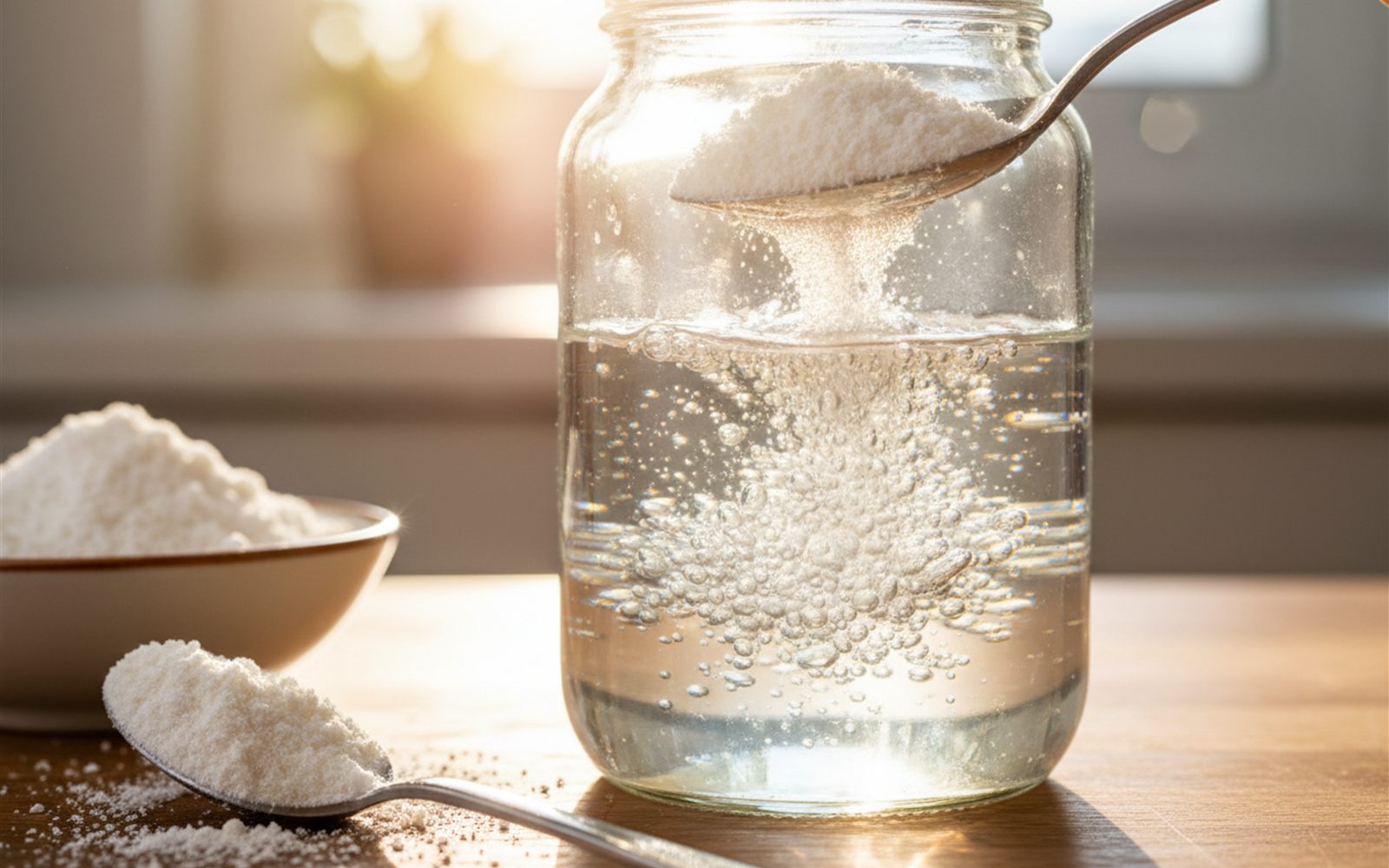
| Vinegar dissolved shell calcium | Days | Works as an occasional drench, the one genuinely fast form |
| Coarse halves in the planting hole | Years | Decoration. Still recognizable next summer |
| Shell shards as a slug fence | Never | The RHS tested it on lettuce and the slugs glided across |
The eggshell myth has cousins, and they all trip over the same delivery problem.
The cost math makes the choice easy. Every product above costs real money at the garden center. The actual cure, even watering plus a layer of mulch, is close to free, and the shells were free all along. Spend your few dollars on a soil test before you spend anything on calcium.
Before: shell halves sitting in the planting hole like tiny bowls, still recognizable next August, rot as usual.
After: fine powder feeding the soil bank, steady watering doing the real work, and clean bottomed tomatoes.
Tomato forums are full of the same arc: shells in the hole, rot anyway, then someone explains watering and the problem disappears the next season. Vermicomposters, on the other hand, genuinely love powdered shell as grit and a calcium source for worm bins, and composters report shells vanish nicely once ground fine. The trick has honest fans, just not for the job it went viral for.
Eggshells are a savings account, not an ambulance. Deposit them ground fine, and water like it matters, because it does.
The viral scrub really can clear years of baked on grime, if you follow one temperature rule.
The viral trick promises free iron and pest control, but soil scientists say your plants never get the memo.
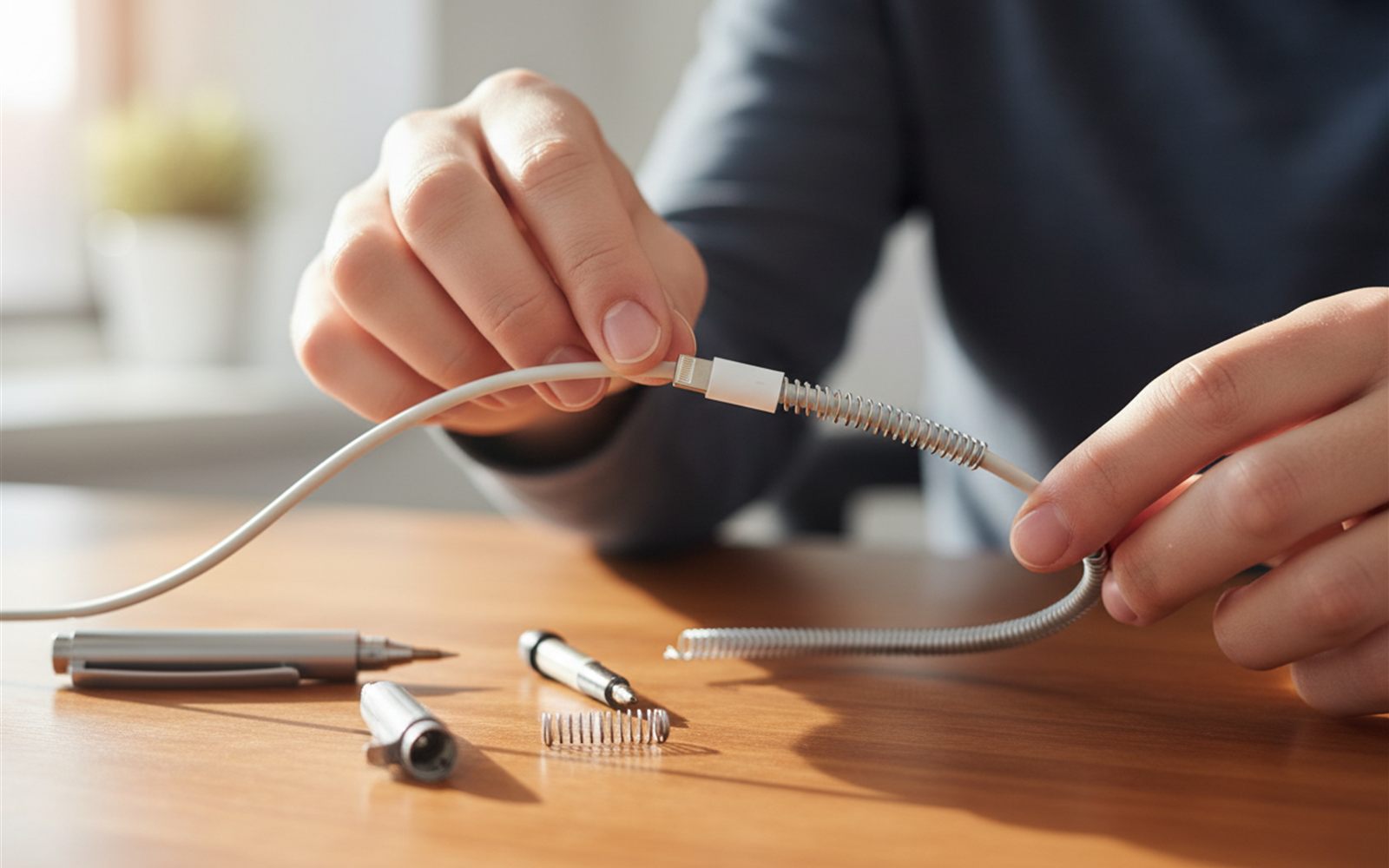
A pen spring and some heat shrink tubing keep cheap chargers alive for years, and the fix takes minutes.