We Checked the Dishwasher Tablet Oven Door Trick Everyone Is Filming
The viral scrub really can clear years of baked on grime, if you follow one temperature rule.
Vinegar really does fry weeds on contact, but the roots have other plans unless you use it right.
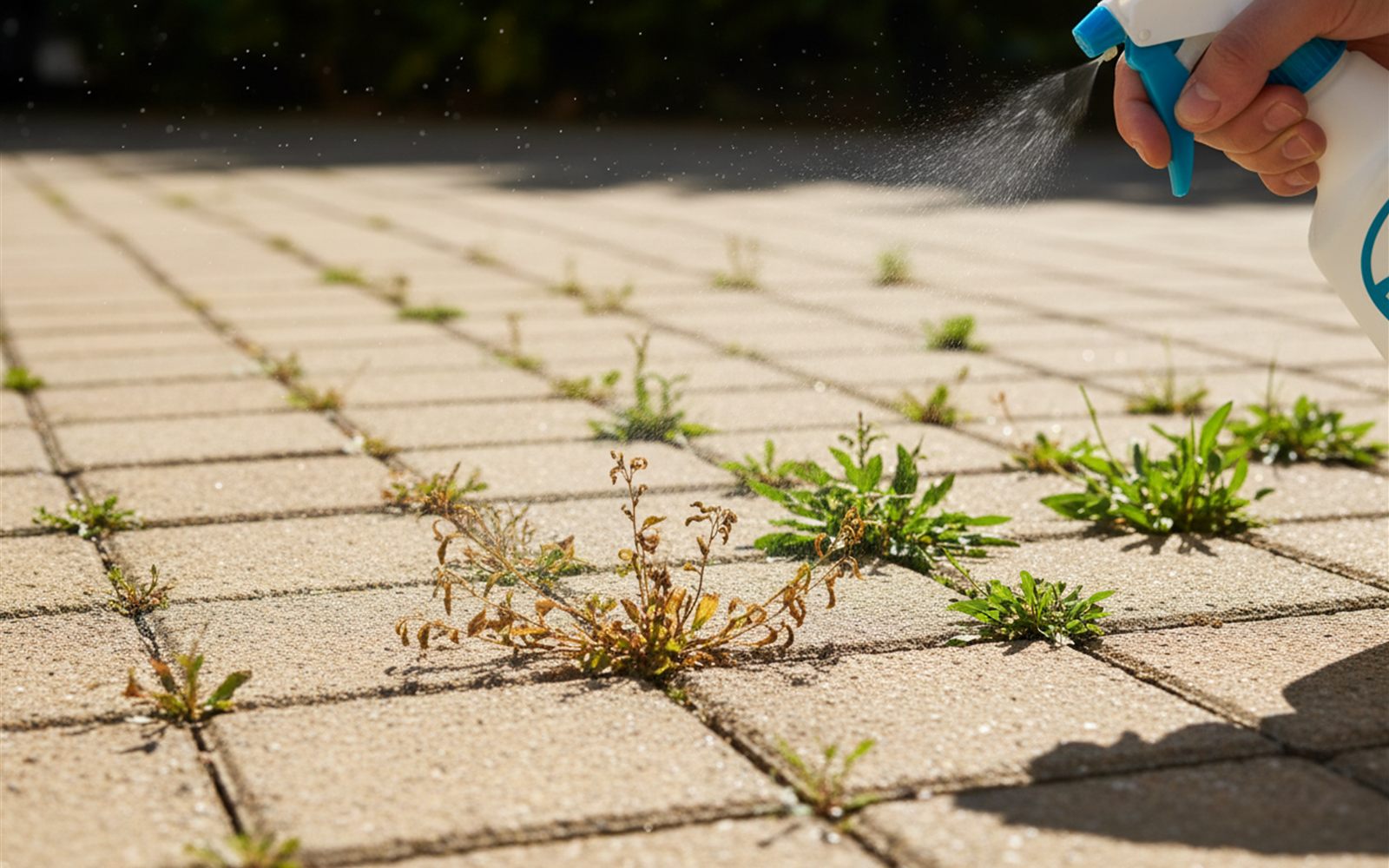
Spray pantry vinegar on a weed and by evening it looks dead, which is why the trick gets shared as a safe replacement for chemical weed killers. Extension researchers have tested it thoroughly, and the truth is a split decision: vinegar is real, but it is only half a weed killer.
The idea has folk roots, but it got scientific legs in the early 2000s when USDA researchers tested acetic acid on weeds and found stronger concentrations killed young ones. That research is why garden centers now sell horticultural vinegar at 20 percent acidity or more, four times the strength of the 5 percent bottle in your kitchen.
Acetic acid is a contact herbicide. It strips the waxy coating on leaves and ruptures plant cells, so the sprayed foliage dehydrates and browns within hours. Here is the catch: it does not travel inside the plant, so the roots never get the message. Extension offices from Montana State to Oregon State make the same point, and University of California research notes that established perennials like bindweed and bermudagrass simply regrow from the root within days or weeks. Young annual weeds, only a week or two old, can die outright because they have no root reserves. Big taprooted dandelions treat vinegar like a haircut.
Works with caveats. Household 5 percent vinegar genuinely kills tiny annual weeds and top burns everything else, which makes it a fine choice for patios, gravel, and sidewalk cracks where scorched tops are the goal and regrowth is easy to respray. Horticultural 20 percent kills more completely, but it is corrosive enough to burn skin and permanently damage eyes, it kills any plant it splashes, and it still loses to deep perennial roots. The one honest comfort: acetic acid breaks down quickly in soil, so it does not poison the ground the way the salt versions of this trick do.
The two products share a name and almost nothing else, so here is the honest side by side.
| Kitchen vinegar, 5 percent | Horticultural, 20 percent | |
|---|---|---|
| What it kills | Baby annual weeds outright, top burns everything else | Most young weeds outright, still loses to deep perennial roots |
| What it costs | A few dollars a gallon at any grocery store | About $25 a gallon, based on Home Depot’s listing |
| The risk | Stings cuts, worth keeping out of your eyes | Burns skin, can permanently damage eyes, demands gloves, goggles, and long sleeves |
| Best use | Patio joints, gravel, sidewalk cracks | Big flushes of young weeds in hardscape, handled like the chemical it is |
Two safety rules regardless of strength: never spray on a windy day, because drift kills whatever it lands on, and never mix vinegar with bleach or bleach based cleaners, because the combination releases chlorine gas. The 20 percent jugs are sold as herbicides with real labels. Read yours like it matters, because at that concentration it does.
Here is the question that unmasks the trick: if vinegar killed weeds for good, why do landscapers still pull them by hand? NC State Extension’s guide to herbicide alternatives lays out what professionals actually deploy, and vinegar is a bit player.
For a patio, the cheap bottle is the right bottle. A few dollars of 5 percent vinegar covers many resprays, and resprays are part of the honest plan anyway. Escalating to the 20 percent jug costs roughly six times more per gallon, adds real safety gear to the shopping list, and still cannot reach a dandelion taproot. In other words, the money answer and the science answer agree: spend small on cracks, and spend your muscle, mulch, or flame on the beds.
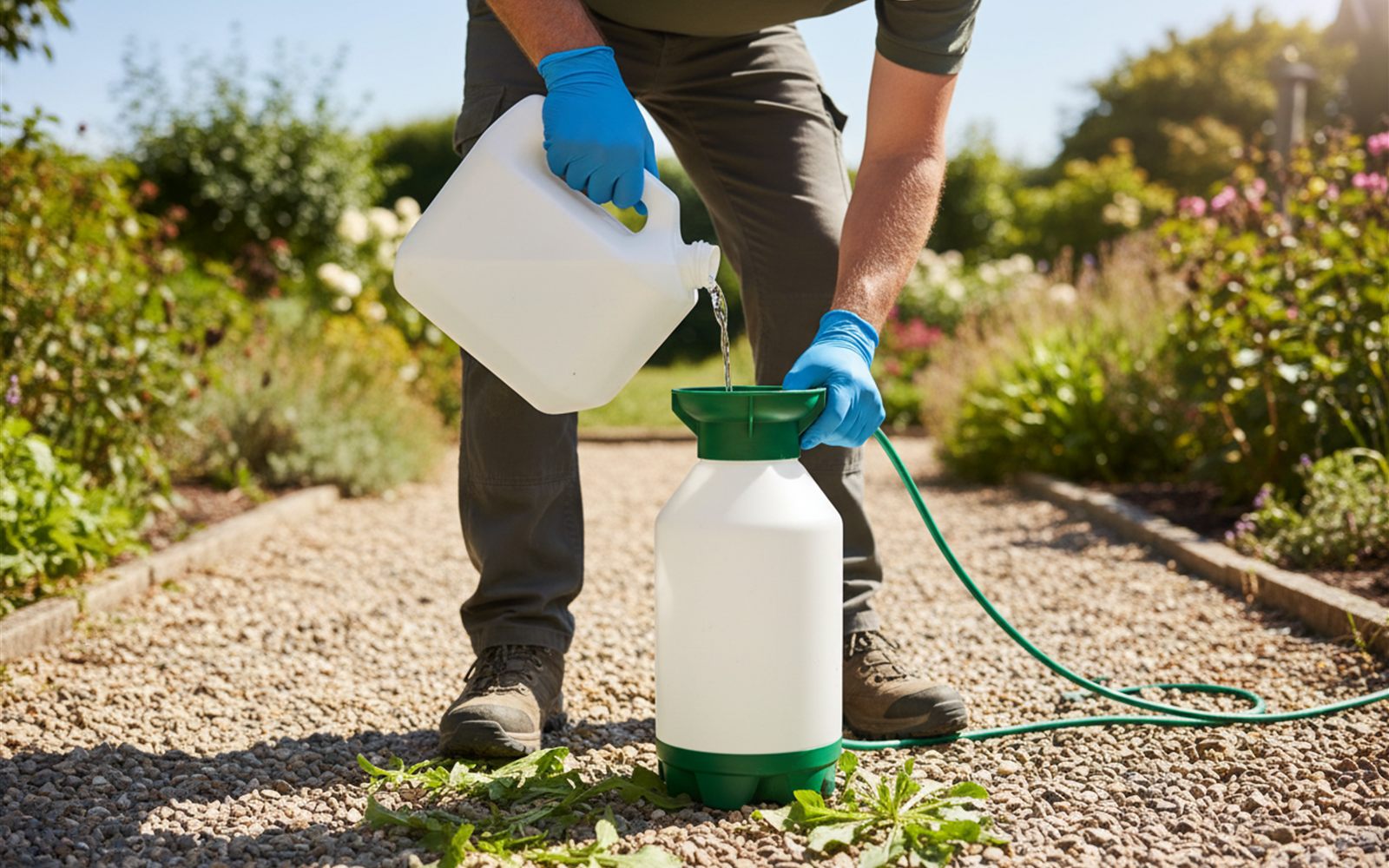
Before: a green fuzz of baby weeds through the patio joints on Saturday morning.
After: brown confetti by Sunday, and a clean patio for weeks with a quick respray when stragglers appear.
The split in user reports mirrors the science exactly. Patio and driveway people are happy, calling it fast and satisfyingly visible. Lawn and garden bed people are the disappointed ones, describing dandelions that came back in two weeks and brown spots where spray drifted onto the grass. The gardeners who stay happy are the ones who accepted vinegar as a top killer and aimed it accordingly.
Vinegar wins the battle for the leaves and loses the war for the roots. Deploy it where the leaves are the whole war.
The viral scrub really can clear years of baked on grime, if you follow one temperature rule.
The viral trick promises free iron and pest control, but soil scientists say your plants never get the memo.
A pen spring and some heat shrink tubing keep cheap chargers alive for years, and the fix takes minutes.