We Checked the Dishwasher Tablet Oven Door Trick Everyone Is Filming
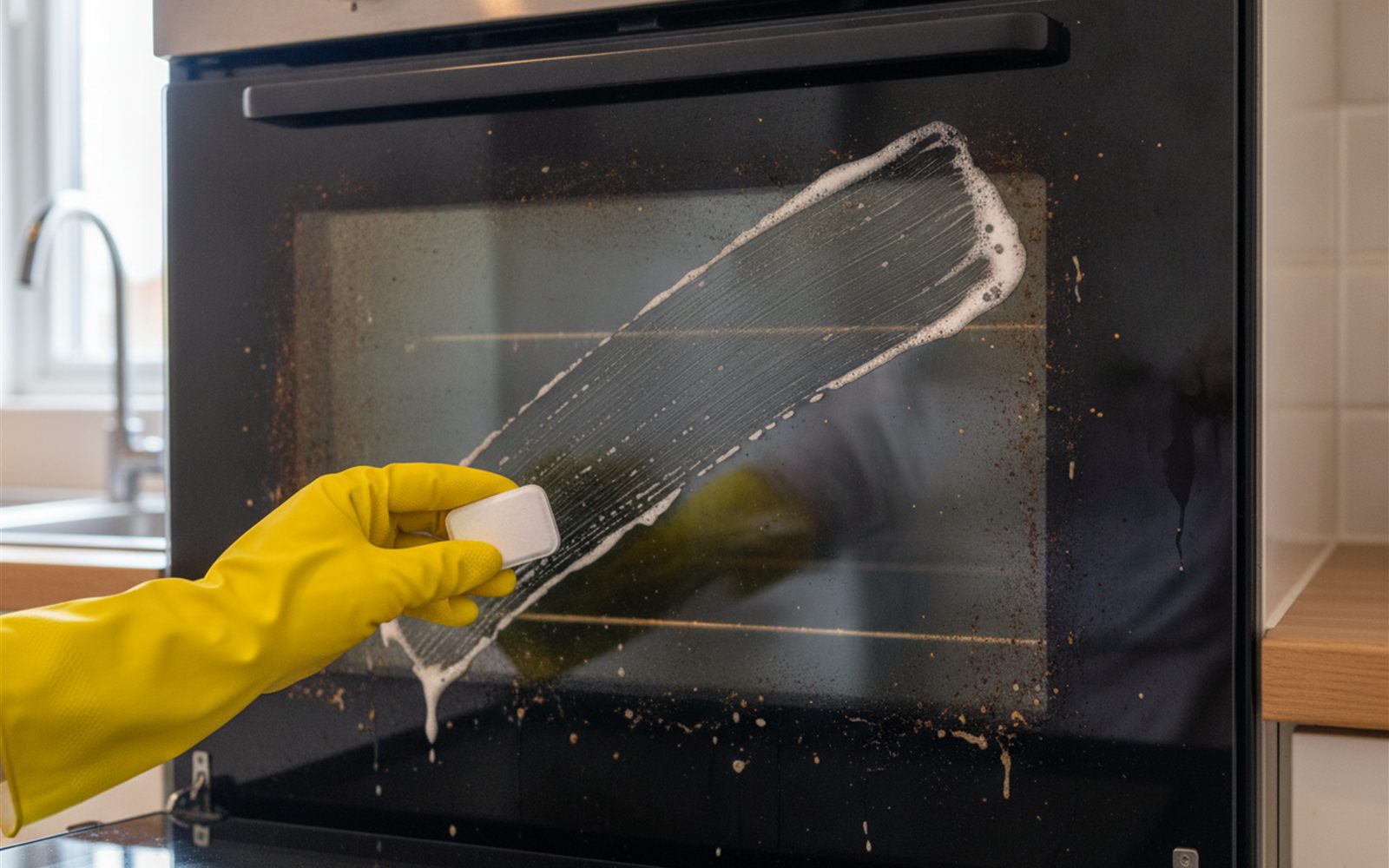
The viral scrub really can clear years of baked on grime, if you follow one temperature rule.
Apple itself says skip the rice bag, and the real fix for a wet phone is much simpler.
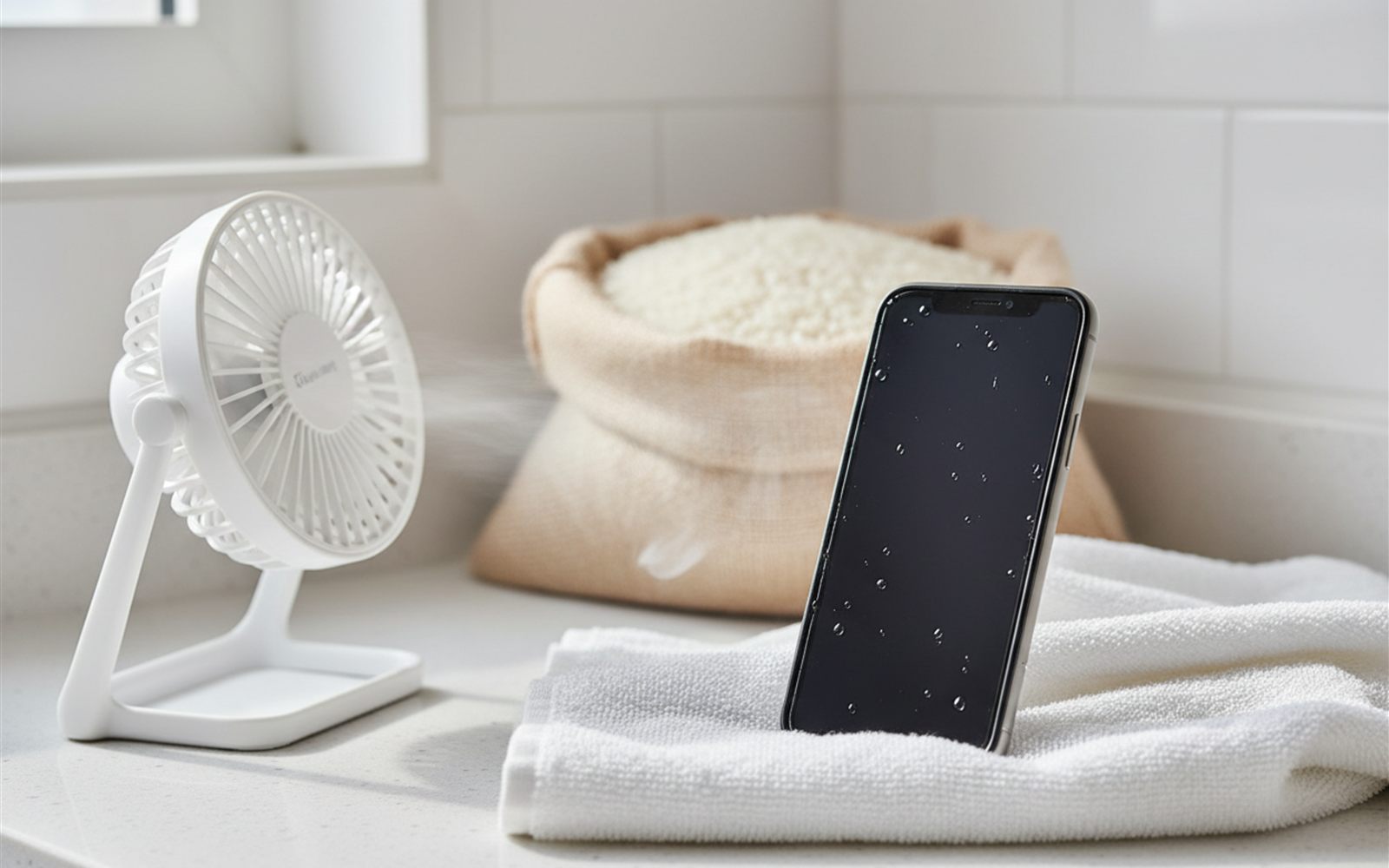
Drop a phone in water and someone will materialize within seconds to say it: bury it in rice. It is the most famous phone rescue on earth, and it does not really work. Apple has now said so in writing, so here is what the rice bag actually does, and what saves wet phones instead.
The idea is older than the smartphone. Photographers working in humid climates stashed camera gear with rice when silica gel ran short, and Yankee magazine was recommending uncooked rice as a substitute for silica packets back in 1996. The advice made a certain sense in that world: camera bags are open containers, and rice really does pull a little moisture from the air around it.
Early phone forums adopted the trick in the 2000s, when phones had removable batteries and covers you could pop off, which gave the rice at least a fighting chance of reaching the wet parts. Then phones became sealed slabs, the trick kept spreading anyway, and every soaked phone that happened to survive got counted as proof. The legend built itself.
Here is the quiet truth that keeps the rice bag in business: most water dropped phones survive if you simply leave them off long enough. The rice sits there for 24 hours taking credit for what time and airflow did on their own.
The myth also survives because it gives a panicked owner something to do. Doing nothing feels like giving up, while burying the phone in a pantry staple feels like first aid. Add the fact that the advice is free, easy to repeat, and gets retold every time a phone lives, and you have a rumor with better retention than most ad campaigns. The failures rarely get a post of their own.
The rice never touched the water. The waiting did the work.
Rice does absorb moisture, but slowly, and only from the air immediately around it. It cannot pull water out from behind a modern phone’s sealed seams, where the dangerous droplets actually sit. Repair experts cited by TechRadar describe the absorption as far too slow to matter, and the bag adds a hazard of its own: starch dust and grains that lodge in the charging port.
The numbers back that up. In 2014, the phone reseller Gazelle tested seven household drying agents by measuring how much water each pulled from a wet sponge over 24 hours. Silica gel took first place. The sponge sitting in plain open air lost more moisture than the one buried in rice. The famous rescue lost to doing literally nothing.
Here is the part the myth gets backwards. The real killer was never the water sitting inside the phone. It is electricity meeting that water. Powering on or charging a wet phone is what causes shorts and corrosion, which means the waiting matters far more than any pantry ingredient.
Apple’s own support page for wet iPhones reads like a direct debunk. It tells you not to dry the phone with an external heat source or compressed air, not to poke cotton swabs or paper towel into the connector, and, in plain words, not to put your iPhone in a bag of rice, because small particles can damage it.
The same document explains the liquid detection alert, the warning that pops up when you plug in a cable while the port is wet. That alert is not a glitch. It is the phone’s own moisture meter telling you the port is not ready, and Apple says full drying can take up to 24 hours. Two useful details hide in there: a wireless charger is still fair game while the port dries, and the emergency override for wired charging exists for actual emergencies, not impatience.
Repair techs tell the matching half of the story. The wet phones that die on their benches are overwhelmingly the ones that got charged or powered on too soon, arriving with corrosion already spreading and, every so often, a grain of rice wedged in the port as a souvenir.
Skip it. When the maker of the world’s most popular phone publishes a support document telling you not to do the thing, the myth is over. Phones that survived the rice bag survived because they sat powered off for a day, which works just as well in open air, minus the grain in the port.
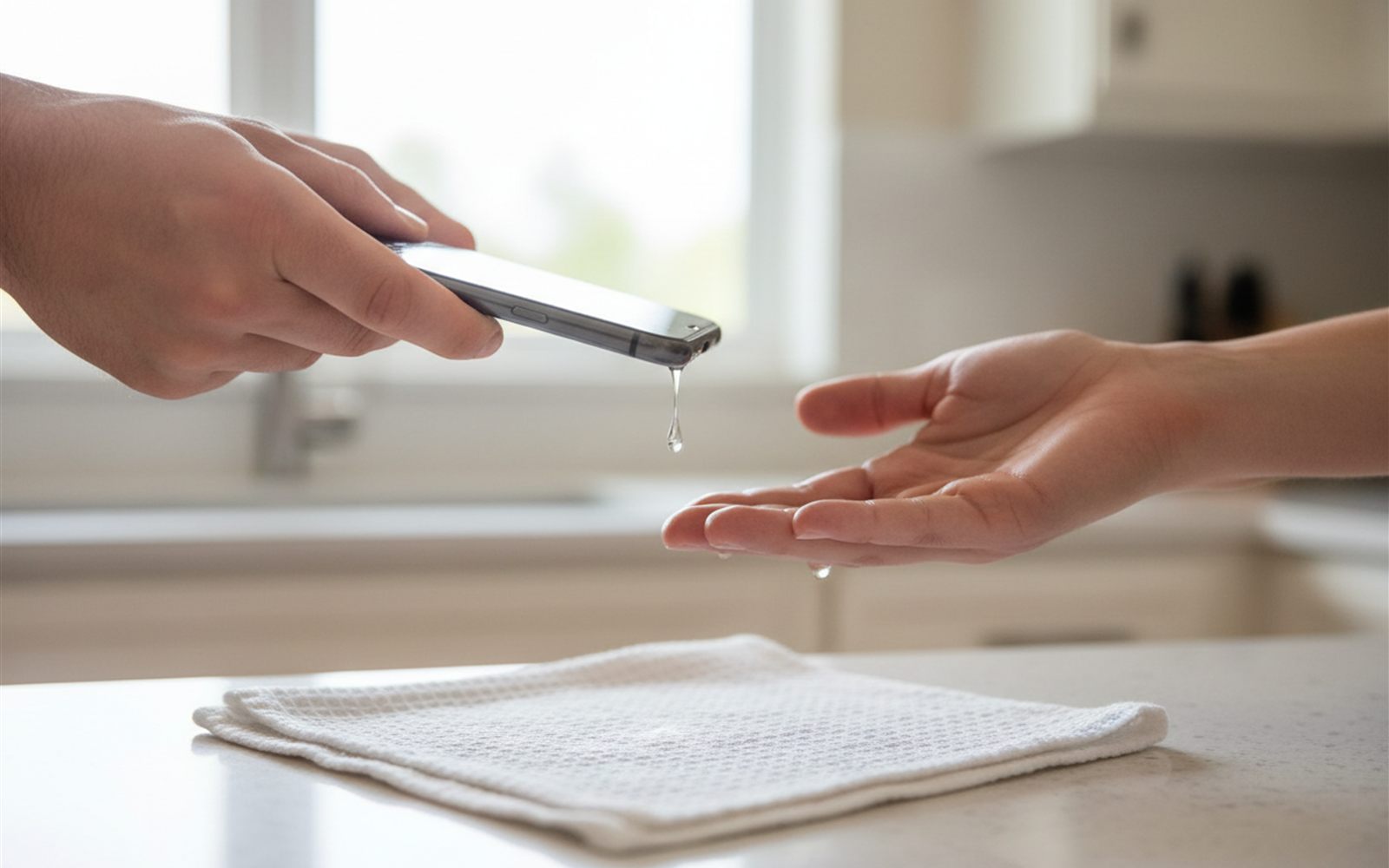
Every step here comes from Apple’s instructions or from what repair shops consistently report. They are ranked, and the first two matter most.
If your phone is rated IP68, why does any of this matter? Because the rating is narrower than it sounds.
The two characters do different jobs. The 6 means the case is sealed tight against dust. The 8 means it survived continuous submersion in water deeper than 1 meter under lab conditions, with each maker defining its own depth and time. Samsung’s support pages, for example, put its IP68 phones at up to 1.5 meters of fresh water for up to 30 minutes.
The fine print is where wet phones go wrong. That certification happens in still, clean, fresh water with a brand new phone. Pool chlorine, ocean salt, and soapy sinks are different chemistry, and the rubber seals that earned the rating age with every drop, every summer dashboard, every year of service. That is why Apple and Samsung both exclude liquid damage from their warranties even on rated phones.
So treat the rating as a seatbelt, not a submarine. It exists to make an accident survivable, and the rescue steps above are still the play when the accident happens.
Before: a wet phone buried in rice and plugged in early, then dead of corrosion a week later.
After: a wet phone powered off beside a fan for a day, booting up like nothing happened.
Repair techs are the loudest voices in these threads, and their refrain is consistent: rice phones arrive on their benches with corrosion from being charged too soon, sometimes with a bonus grain wedged in the port. Plenty of regular users still swear rice saved them, and the honest read is that those phones dried out despite the rice, not because of it. The people who powered off and waited report the best outcomes of all.
Three comments from those threads, quoted exactly as posted.
“I did cell phone repair for years and the worst ones were ones sitting in rice for a day before we worked on it.”
(from r/YouShouldKnow)
“Putting your phone in rice or silica sacks only helps because it keeps you from using it for a few days.”
(from r/YouShouldKnow)
“Moving air (like a fan) is even more effective than silica gel or rice.”
(from r/YouShouldKnow)
Two more small rescues worth knowing:
Rice makes dinner. A powered off phone, a fan, and one patient day make the save.
The viral scrub really can clear years of baked on grime, if you follow one temperature rule.
The viral trick promises free iron and pest control, but soil scientists say your plants never get the memo.
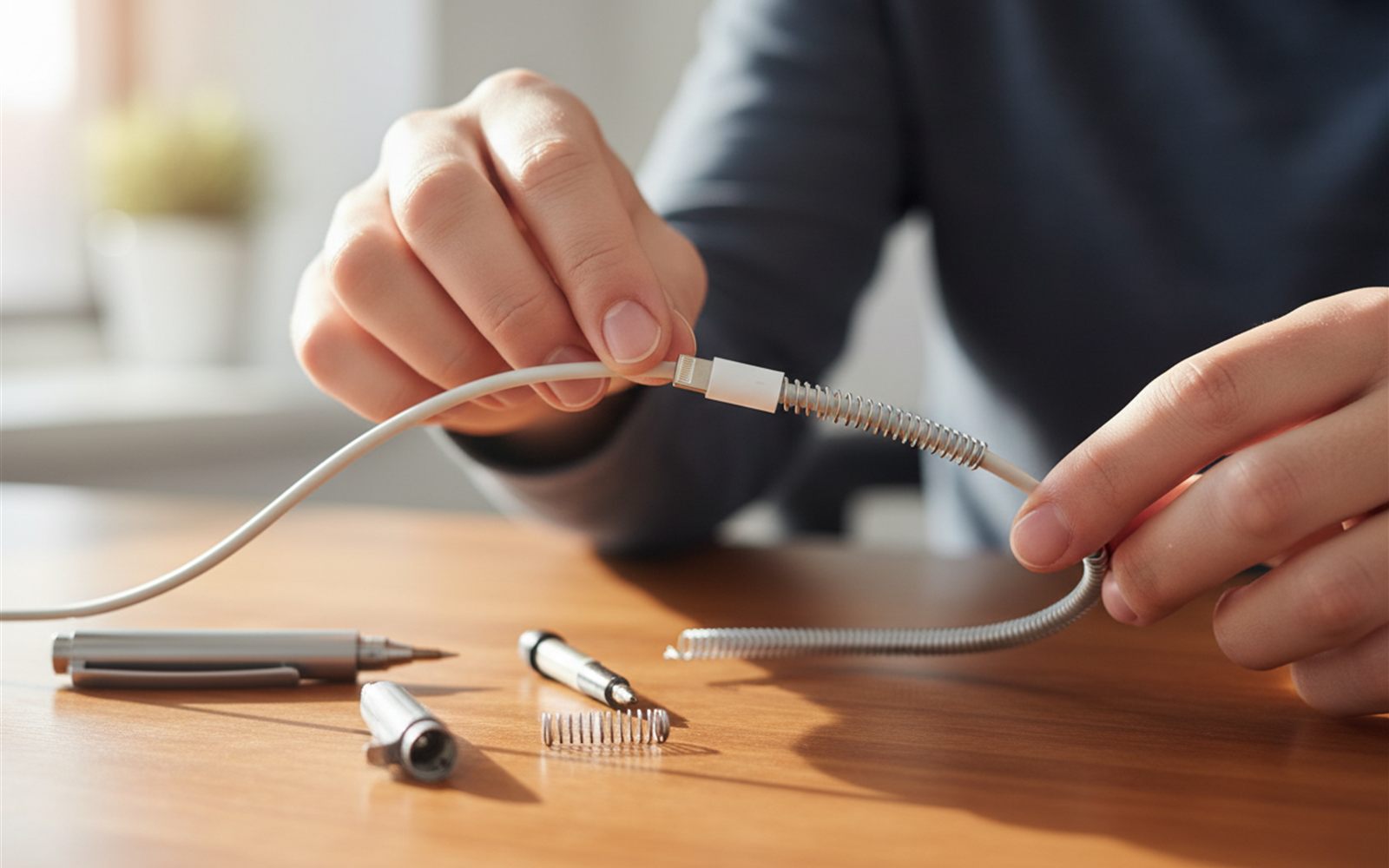
A pen spring and some heat shrink tubing keep cheap chargers alive for years, and the fix takes minutes.