We Checked the Dishwasher Tablet Oven Door Trick Everyone Is Filming
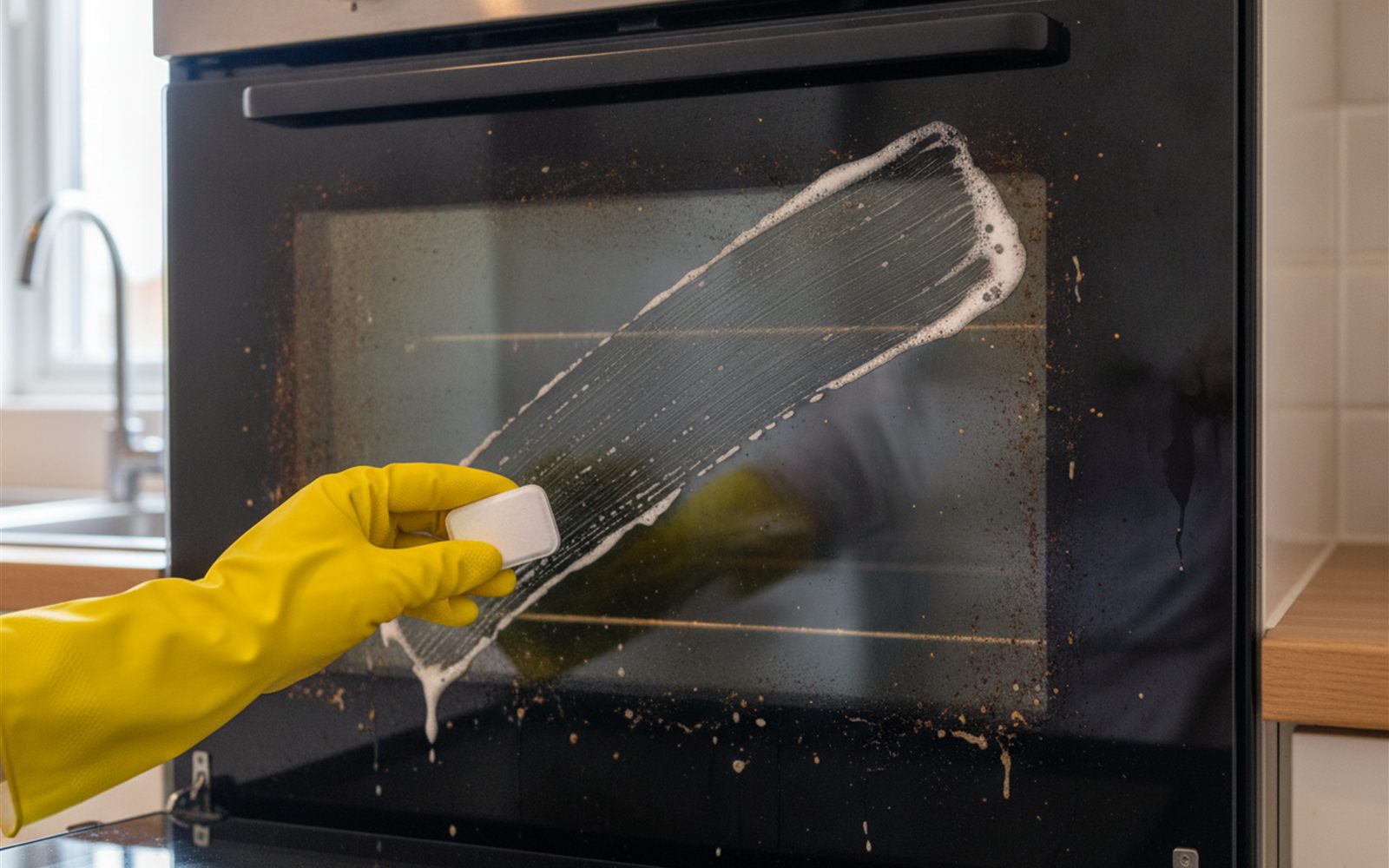
The viral scrub really can clear years of baked on grime, if you follow one temperature rule.
Heat turns stubborn adhesive soft in about 30 seconds, and the trick works on jars, mugs, and even cars.
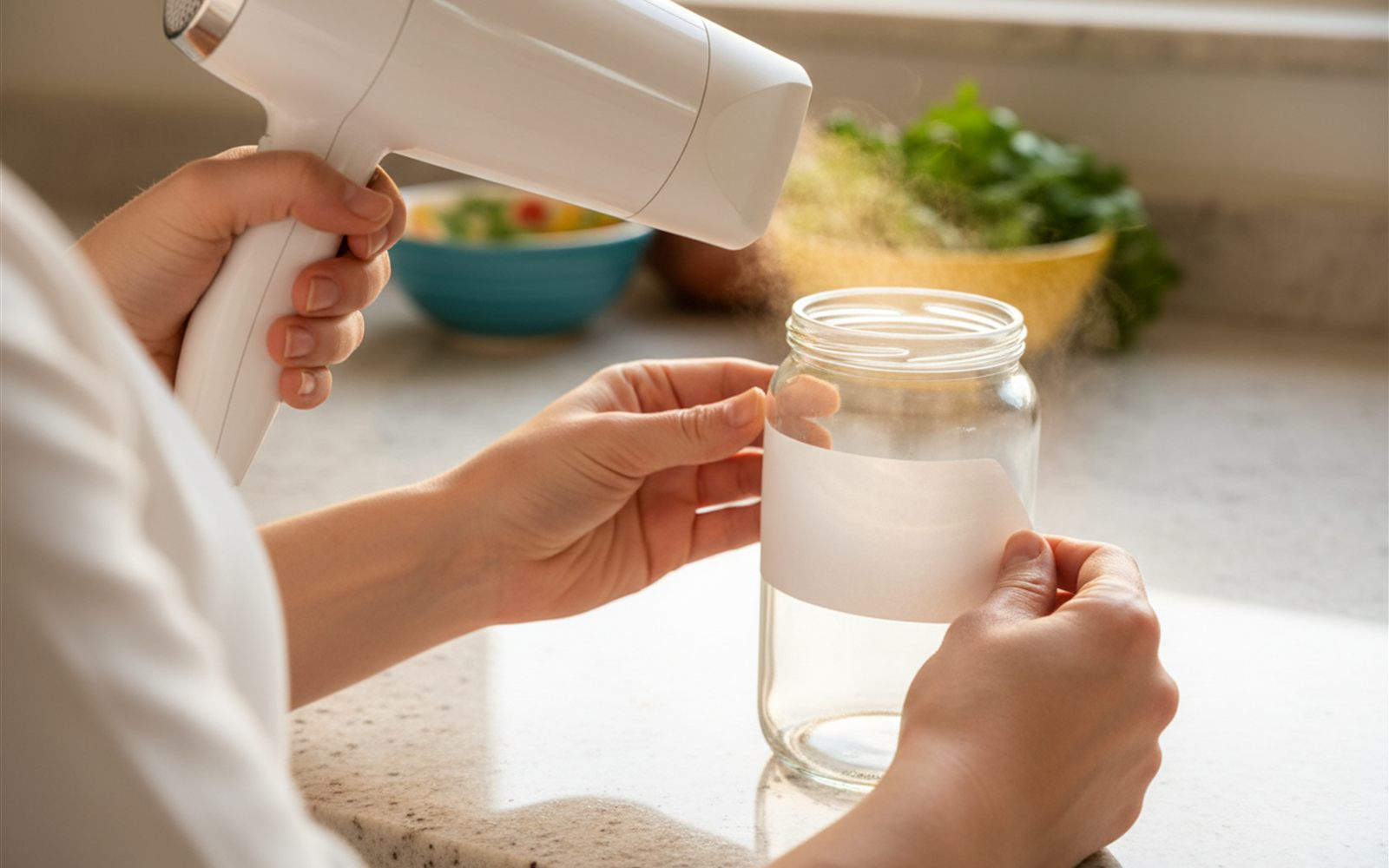
You know the ritual: pick at the price sticker with a thumbnail, get half of it, then spend ten minutes scraping at the gummy leftovers. The internet swears a hair dryer ends all of that in about 30 seconds, so we checked with the people who remove labels for a living.
Thrift flippers, jar savers, and eBay sellers have leaned on the hair dryer for years, and the tip keeps resurfacing because it keeps working. The Kitchn clocked the peel on a stubborn jar label at roughly 15 seconds of heat, and car care guides from CARFAX and Chemical Guys recommend the same move for decals on paint.
Most stickers use pressure sensitive adhesive, a soft plastic glue that changes personality with temperature. Cold, it grips like it was welded on. Warm, it softens, flows, and lets go. A hair dryer pushes the adhesive just past its comfort zone, so the sticker releases in one satisfying sheet instead of tearing into confetti. Heat turns the grip into a glide.
Materials scientists would call the adhesive viscoelastic, which means it behaves partly like a solid and partly like a very thick liquid, and temperature decides which side wins. That same idea explains the two other rules of the trick. Peel slowly, because a slow pull gives the warmed glue time to flow and release, while a fast yank snaps it like cold taffy and leaves residue behind. And expect old stickers to fight harder, because adhesive that has baked on a jar for years has oxidized, stiffened, and seeped into every microscopic scratch. The dryer reverses most of that. Solvents handle the rest.
Works. Glass jars, mugs, picture frames, plastic bins, and even bumper decals all respond, which is why professional detailers use heat as step one. Two cautions: keep the dryer moving so no single spot overheats, since thin plastic can warp, and on cars stick with a hair dryer rather than a heat gun, which runs hot enough to damage paint.
The heat step barely changes. What changes is how much heat the surface can take and what you use on the leftovers.
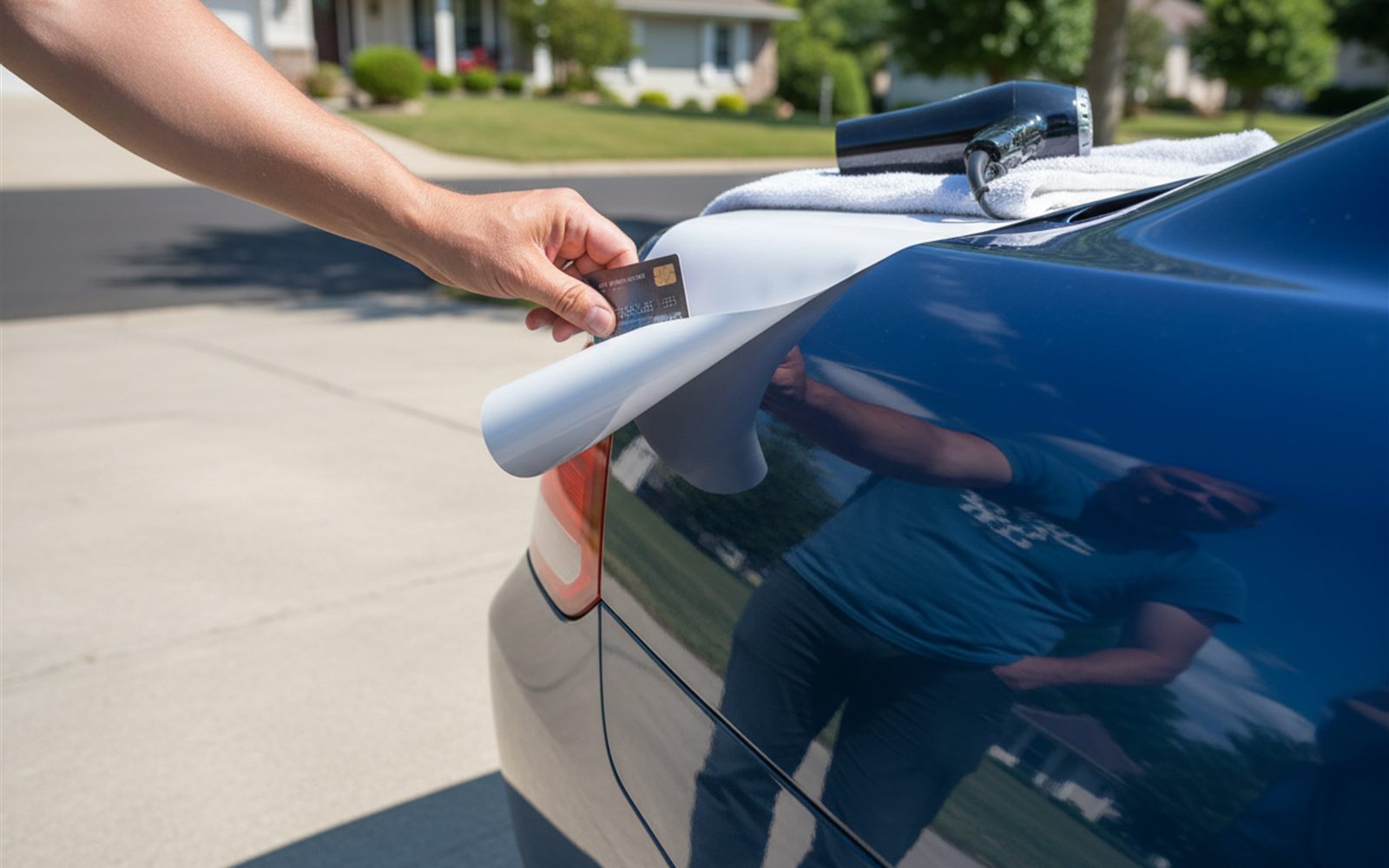
Once the sticker is off, whatever gum remains comes down to solvents, and cleaning tests keep ranking them the same way.
| Remover | Verdict | Watch out for |
|---|---|---|
| Rubbing alcohol | Fastest on glass and smooth plastic, dries clean | Test first on painted and coated surfaces |
| Cooking oil or oil plus baking soda | Gentle, kitchen safe, oddly effective | Leaves an oily film, wash with dish soap after |
| Goo Gone | The citrus heavyweight for big or ancient jobs | Needs a soap and water rinse, skip raw wood |
| WD40 | Dissolves stubborn gum | Oily residue, never on porous surfaces |
| White vinegar | Mild but real on glass and metal | Slow, soak a cloth and let it sit |
The pattern: alcohol for speed, oil for safety, citrus removers for the archaeology.
The hair dryer you already own does the work a dedicated label removing gadget promises, so the trick itself is free. A bottle of Goo Gone runs a few dollars and lasts years, rubbing alcohol is a pharmacy staple, and cooking oil is already in the cabinet. Compare that with what the trick rescues: pasta jars that become free storage, thrift finds that resell without the dollar sticker, and a bumper that does not need a body shop’s touch. This is one of the cheapest wins in the entire cleaning playbook.
Before: a perfectly good jar headed for the recycling bin over one welded on label.
After: clean clear glass in under a minute, no razor, no gummy ghost.
Sellers who process boxes of secondhand goods describe the hair dryer as the difference between minutes and whole afternoons, and jar collectors report entire batches coming clean without a scraper in sight. The honest exception that shows up in threads: cheap paper labels sometimes shred anyway. Those respond better to a warm soapy soak first, with the heat saved for the glue left behind.
More kitchen shelf chemistry that actually works:
Heat first, peel slow, and stickers stop being a negotiation.
The viral scrub really can clear years of baked on grime, if you follow one temperature rule.
The viral trick promises free iron and pest control, but soil scientists say your plants never get the memo.
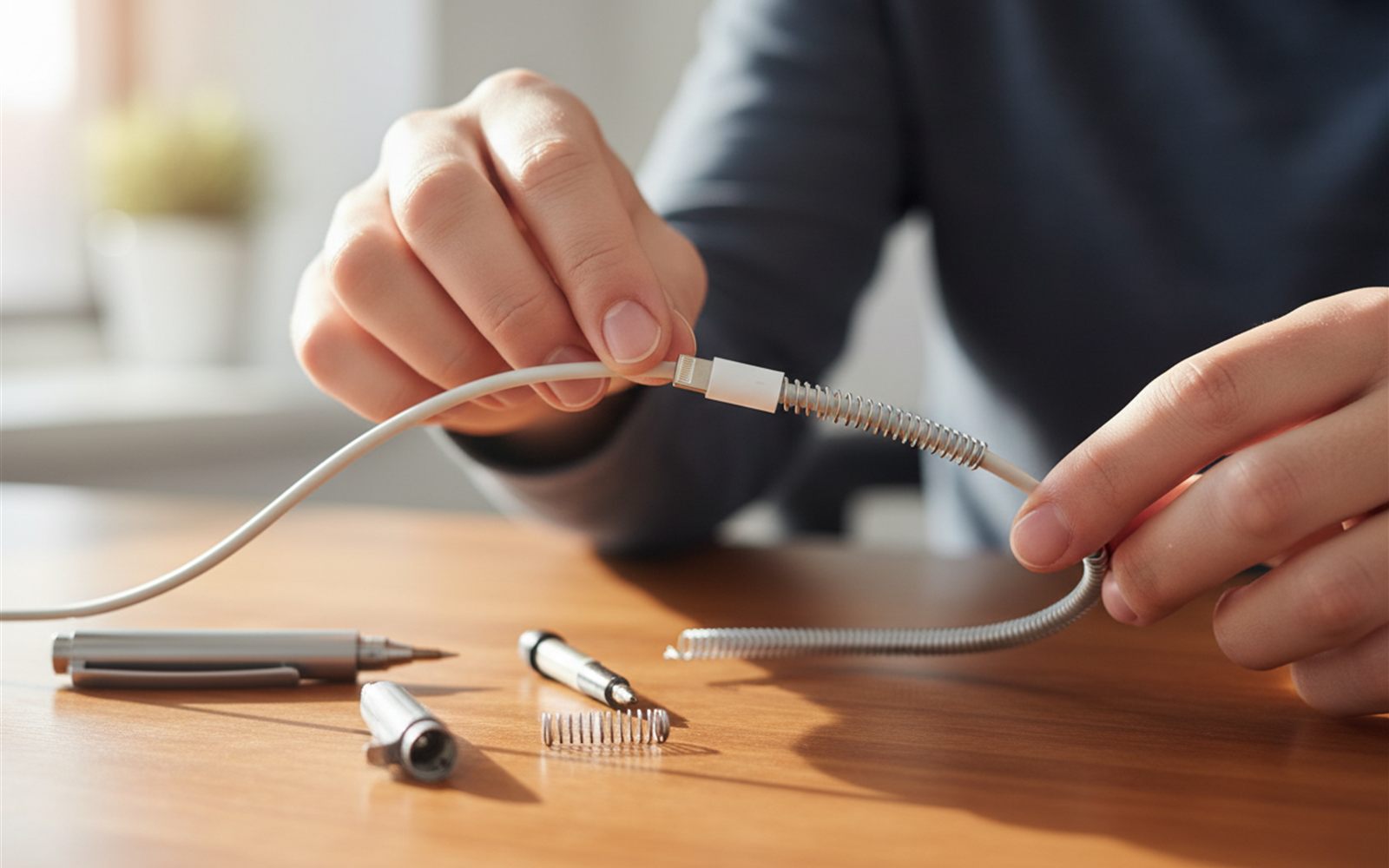
A pen spring and some heat shrink tubing keep cheap chargers alive for years, and the fix takes minutes.