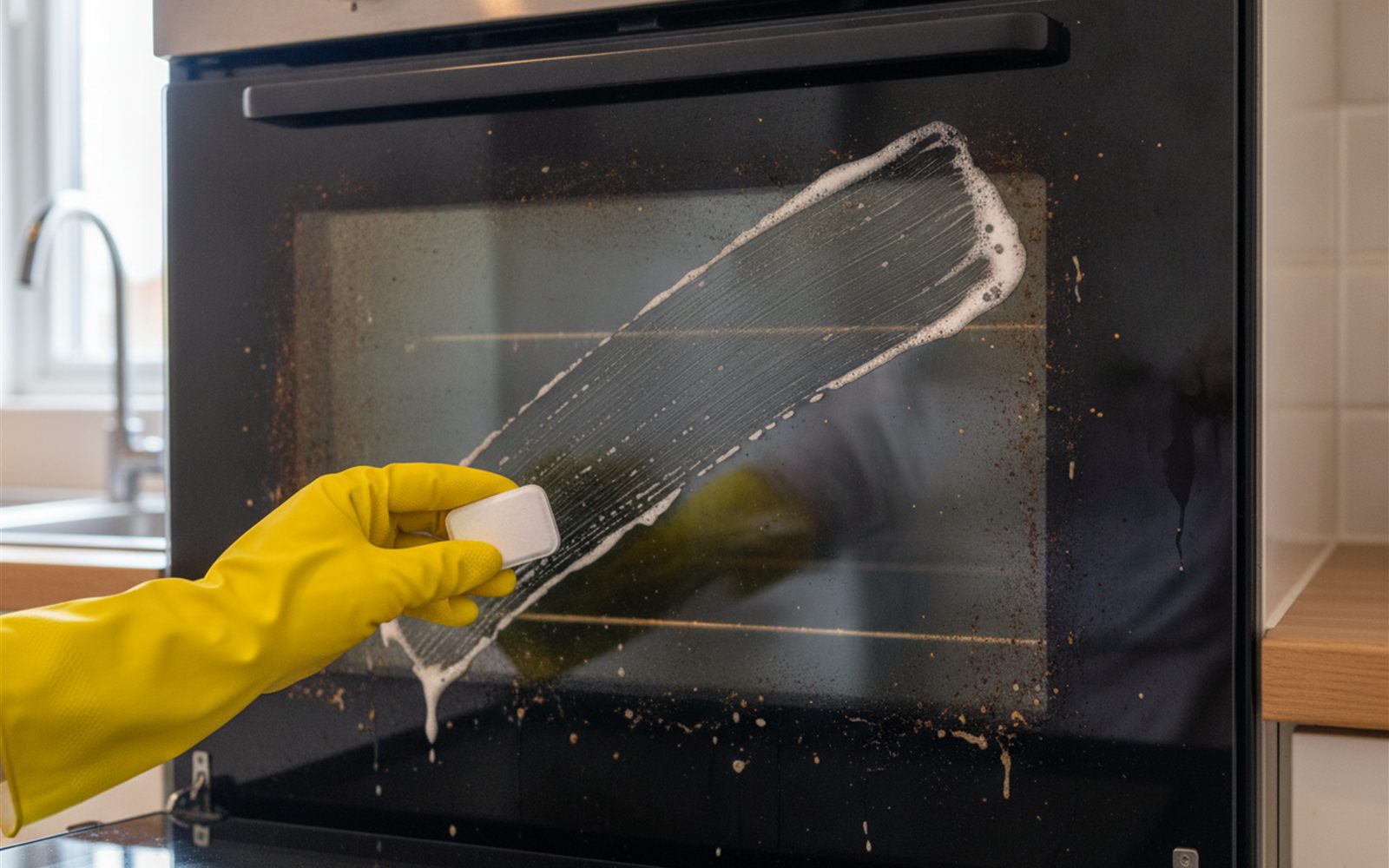
We Checked the Dishwasher Tablet Oven Door Trick Everyone Is Filming
The viral scrub really can clear years of baked on grime, if you follow one temperature rule.
The condiment aisle hides a real tarnish remover, and simple acid chemistry explains why it works so well.
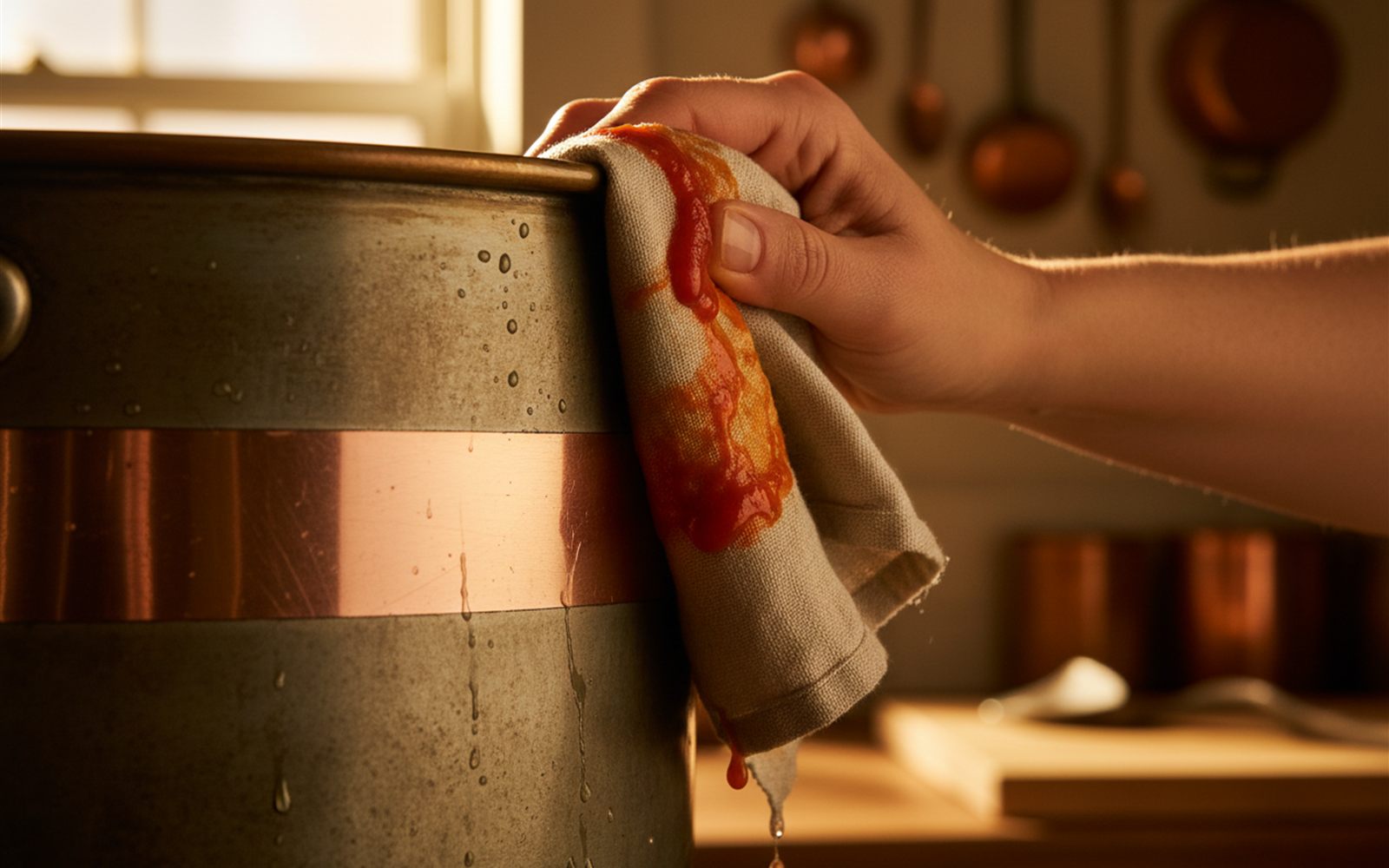
The claim has the shape of a prank: smear ketchup on your dull copper pot, wait a few minutes, and wipe away years of tarnish. Then you try it, and the shine follows the sponge. We checked the chemistry behind the trick and found two upgrades that work even faster.
Restaurant kitchens and antique dealers have quietly used the condiment trick for generations, and science teachers keep it alive with the classic dull penny demonstration. It resurfaces online every year because the before and after is dramatic and everyone already owns the cleaner.
Tarnish is copper oxide, the dull layer that forms wherever copper meets air. Ketchup happens to contain exactly what dissolves it: vinegar. The acetic acid in that vinegar converts copper oxide into copper acetate, a compound that simply wipes away, while the salt in the recipe speeds the reaction along. Classroom chemistry guides explain the salt’s role neatly: it supplies chloride ions that bond with the copper, which frees the acid to keep breaking up more of the oxide layer. Metal restoration guides note that adding salt can strip oxide several times faster than vinegar alone.
Ketchup’s quiet advantage is texture. Straight vinegar runs off a curved pot in seconds, but ketchup clings, holding the acid against the metal for as long as the job takes. The tomato is just the delivery system. The vinegar is the cleaner.
Works. This is straightforward acid chemistry, and it performs exactly as advertised on tarnished copper pots and grimy pennies. Want it faster? Mix your own: a paste of vinegar, salt, and a little flour, or half a lemon dipped in salt and used as a scrubber. Both hit harder than the condiment because you control the acid and the salt. Either way the cost rounds to zero, which is hard for any dedicated metal polish on the cleaning aisle to argue with.
Three places to keep the ketchup away: lacquered copper, the shiny display pieces sealed with a clear coating, since acid can blotch the finish; antiques, where collectors prize the dark patina and cleaning can lower the value; and collectible coins, which coin experts say should never be cleaned at all. Everyday pots, pans, and pocket change are fair game.
Before: a pot bottom so brown it reads as bronze.
After: rosy copper bright enough to check your teeth in.
Home cooks in comment threads report the trick working on the first try, usually with some surprise, and parents love the penny version as a kitchen science lesson. The honest notes: decades of built up tarnish can take a second coat or the stronger salt and vinegar paste, and a few users find a dedicated copper polish quicker for big jobs. Nobody disputes that it works.
More pantry chemistry with visible payoffs:
The burger condiment moonlights as metal polish, and the chemistry says it always did.
The viral scrub really can clear years of baked on grime, if you follow one temperature rule.
The viral trick promises free iron and pest control, but soil scientists say your plants never get the memo.
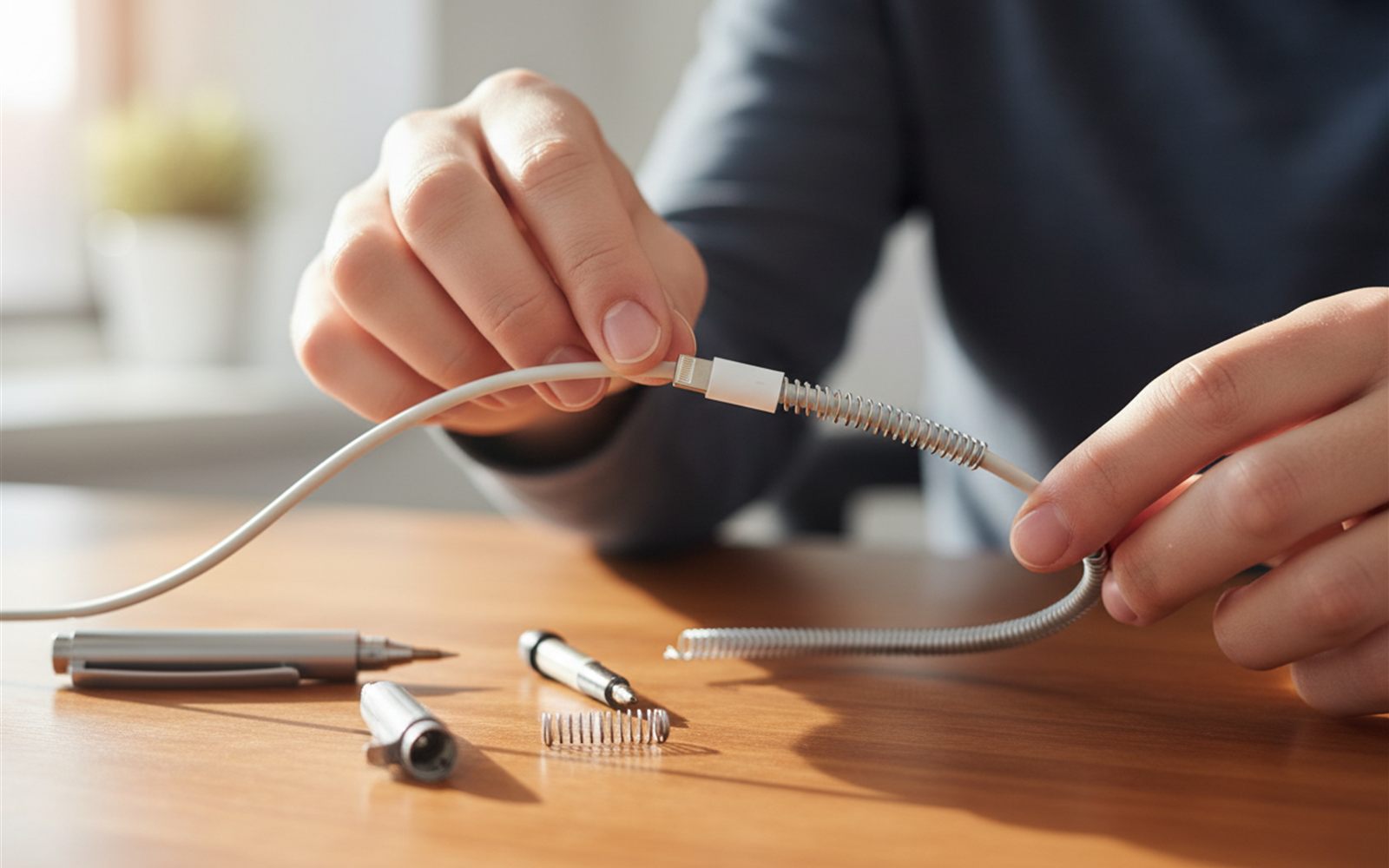
A pen spring and some heat shrink tubing keep cheap chargers alive for years, and the fix takes minutes.