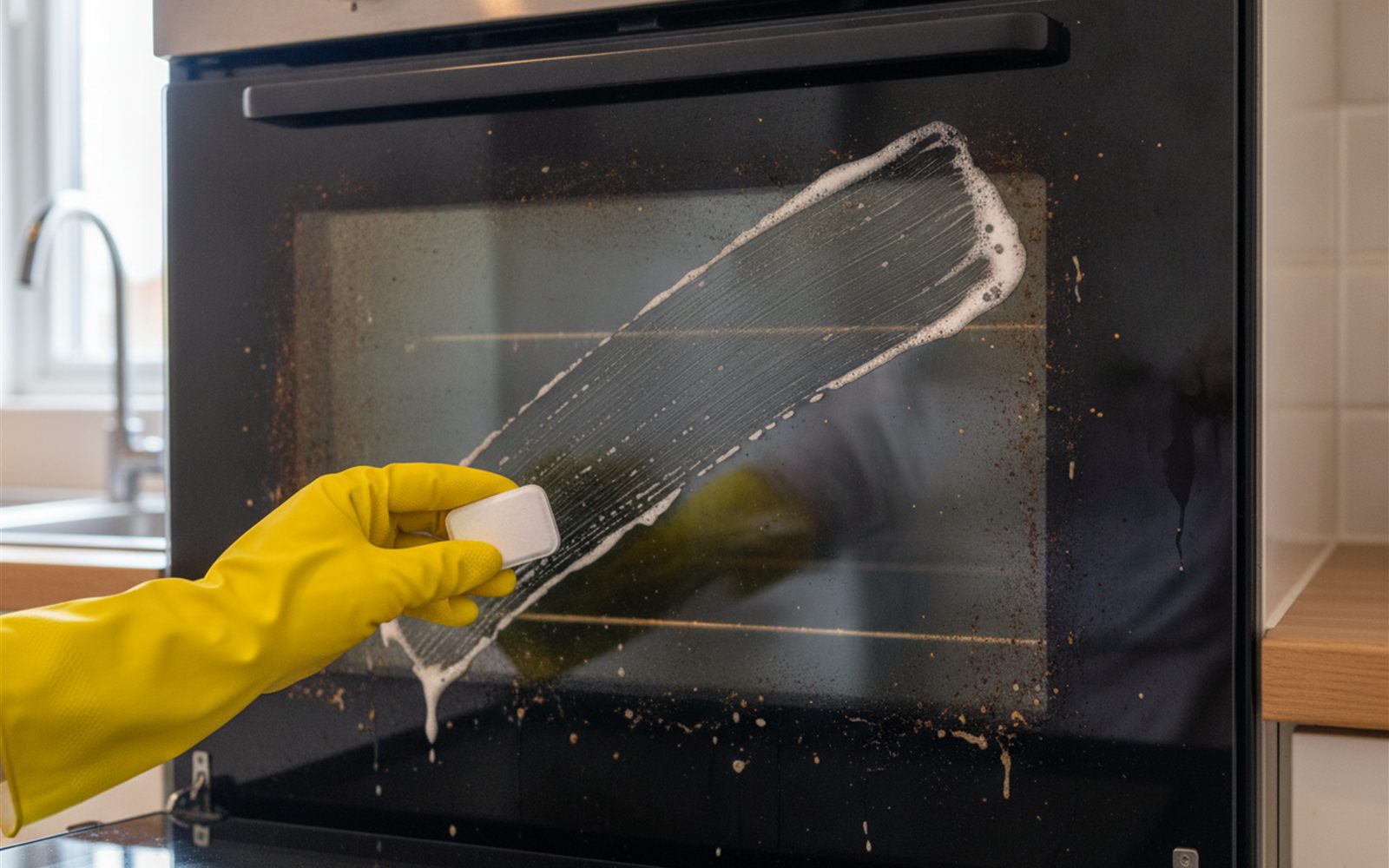
We Checked the Dishwasher Tablet Oven Door Trick Everyone Is Filming
The viral scrub really can clear years of baked on grime, if you follow one temperature rule.
That cheap paper cone cleans glass better than most cloths, and that is only the beginning.
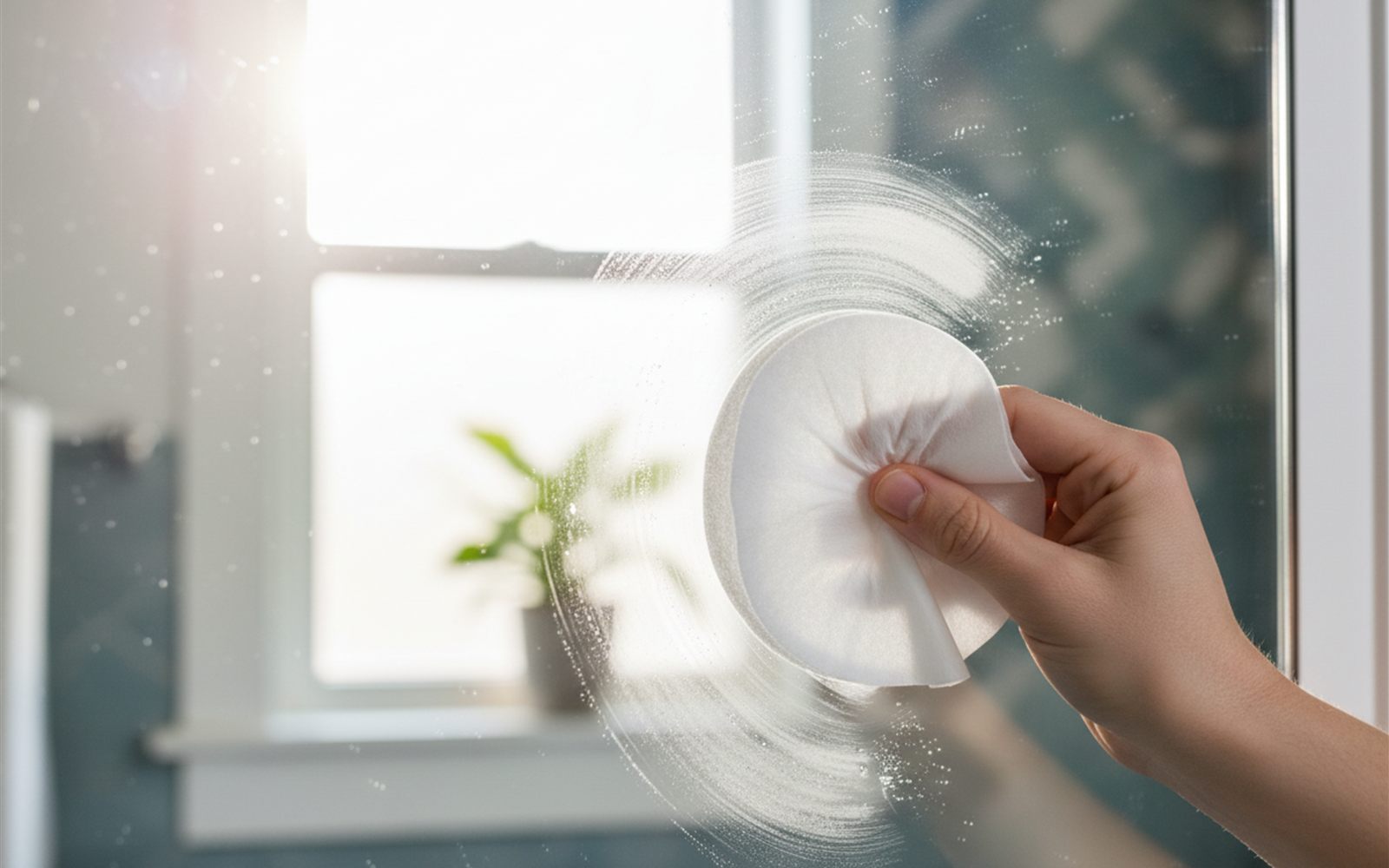
You bought a stack of 200 coffee filters for a few dollars and use exactly one per day. Meanwhile, frugal living sites swear that same stack can replace half your cleaning caddy. We checked which of the famous second jobs a coffee filter genuinely does well, and which ones are filler.
Coffee filter tricks have circulated in money saving circles for decades, and sites like Everyday Cheapskate keep lists of more than twenty of them. The reason the idea refuses to die is simple: the filter is a strangely overqualified piece of paper.
Coffee filters are pressed from dense, long fiber cellulose with a smooth surface, engineered to stay intact while soaked in near boiling water. That gives you a rare combination in one cheap sheet: absorbent, strong when wet, food safe, and lint free. Paper towels shed fuzz and tissues fall apart. A filter does neither, which is exactly what glass, screens, and greasy food need.
Here is the mechanism, because it explains every use on the list. A paper towel is creped tissue: short fibers, deliberately crinkled and fluffed so it grabs spills fast. That fluff is the lint. Rub it on glass and the loose short fibers snag on the surface and stay behind, which is why a freshly cleaned mirror can look worse in raking light than before you started.
A coffee filter is built the opposite way: long cellulose fibers pressed flat and smooth, bonded tightly enough to hold hot liquid without shedding a single strand. Nothing sticks out, so nothing gets left behind. Screens make the difference even more obvious, because a display builds static that grabs any loose fiber floating past. Wipe with a filter and there is simply no lint to grab. A coffee filter is paper that trained for a wetter, harder job, and glass is easy money for it.
Works. These are the uses that hold up, each a level deeper.
The honest limits: a single filter is too small for picture windows, they are one use apiece, and they have zero scrubbing power. For big jobs a washable microfiber cloth is still the better tool.
| Tool | What it costs | The catch |
|---|---|---|
| Basket coffee filters | $1.86 for 200 at Walmart for the Great Value box, under a penny each | One use apiece |
| Paper towels | About a penny or two per sheet, per the price trackers at Hip2Save | Sheds lint on exactly the jobs above |
| Microfiber cloth | Under 50 cents each from bulk sellers like Microfiber Wholesale, about a dollar in retail packs | Needs washing, and one greasy job can ruin it |
Read that table the honest way. Microfiber is the long run winner for big repeated jobs, because hundreds of washes turn a dollar into a fraction of a cent per use. The filter wins the jobs where disposable is the feature: glass and screens where lint ruins everything, and food and grease where you want to throw the evidence away. Paper towels, the thing most of us grab, are the most expensive way to do the one job they are worst at.
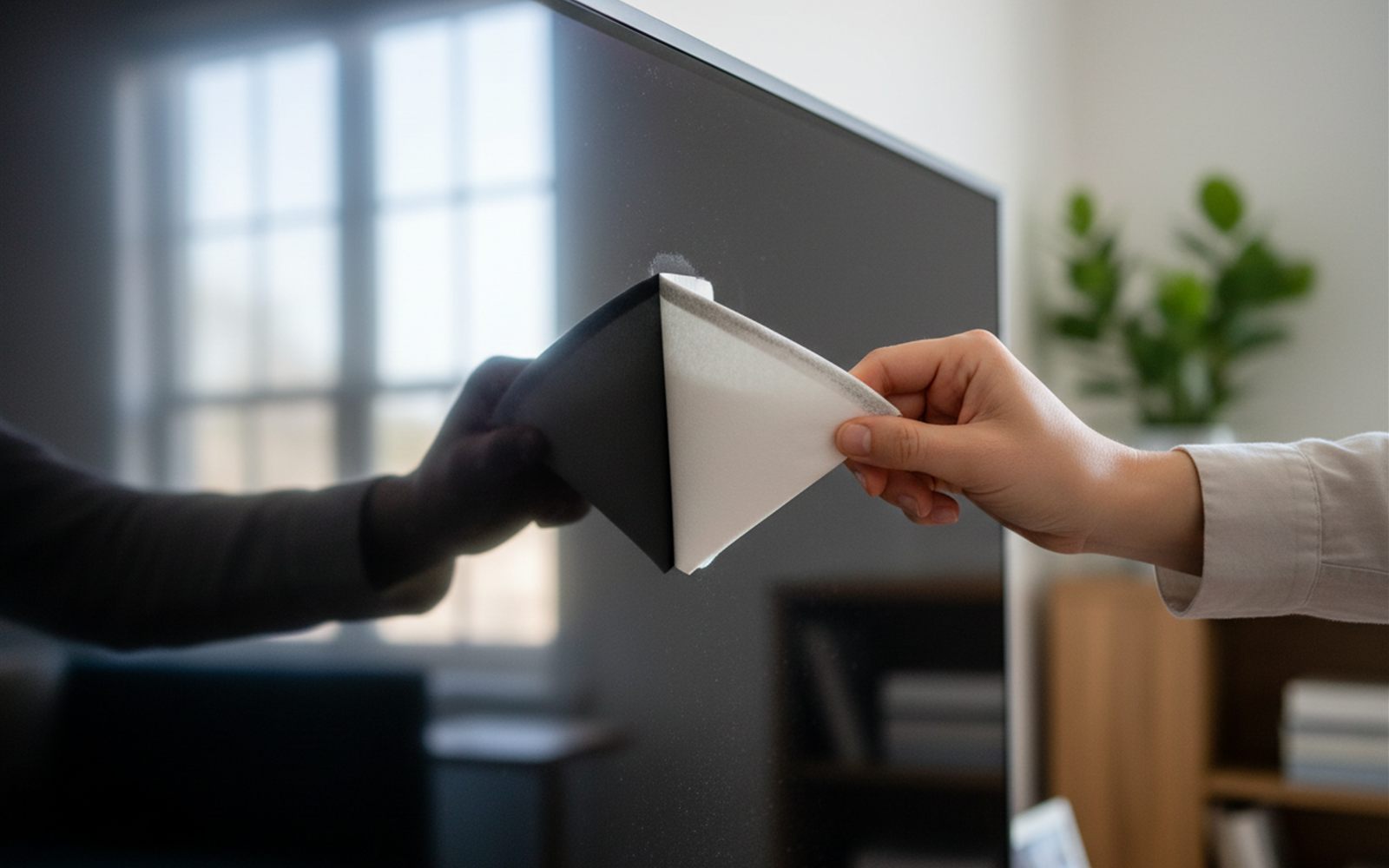
Before: a mirror with cloudy wipe arcs and little white fibers stuck along the edges.
After: glass so clear you check twice that it is actually closed, plus a dust free TV.
On home care boards like Hometalk and on tech forums, the screen and mirror trick keeps getting recommended by people who tried everything else, with lint free results as the recurring theme. The main dissent comes from folks who prefer microfiber because it is reusable, which is fair on waste and cost. Almost nobody who tries a filter on glass reports streaks.
The coffee filter was engineered for one wet job and turned out to be quietly perfect for a dozen dry ones.
The viral scrub really can clear years of baked on grime, if you follow one temperature rule.
The viral trick promises free iron and pest control, but soil scientists say your plants never get the memo.
A pen spring and some heat shrink tubing keep cheap chargers alive for years, and the fix takes minutes.